How I Crushed My Debt Without Losing My Mind
Dealing with debt can feel like running on a treadmill—working hard but going nowhere. I’ve been there, overwhelmed and unsure where to start. What changed? Smart cost control. It’s not about extreme cuts or living like a hermit. It’s about making intentional choices that add up. This is how I took control, one practical step at a time—no magic tricks, just real, doable strategies that actually work.
The Wake-Up Call: Realizing My Spending Was Out of Control
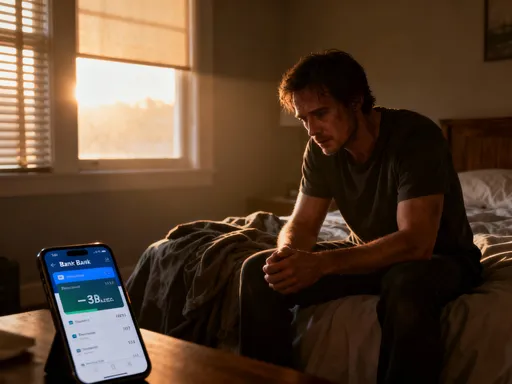
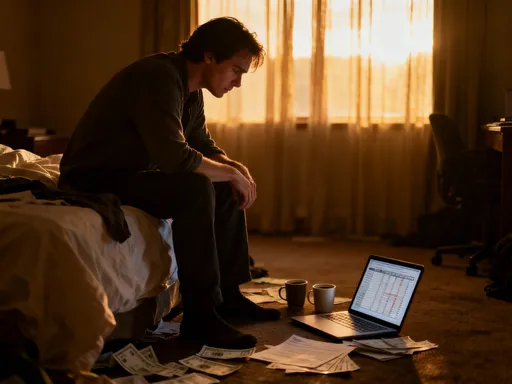
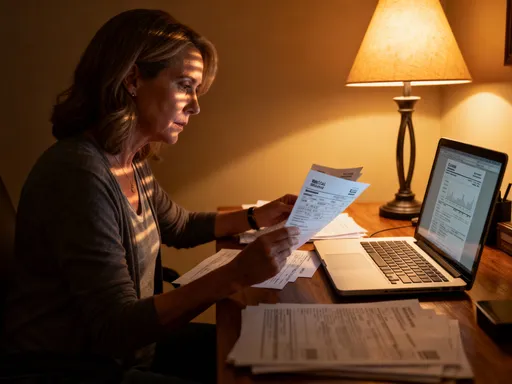
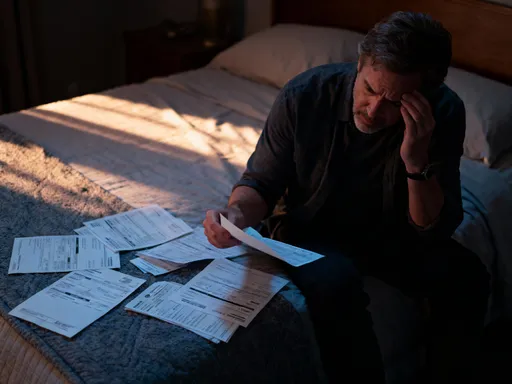
For months, I avoided opening my credit card statements. I told myself I was too busy, that I’d deal with it later. But deep down, I knew the truth: I was afraid of what I’d see. When I finally sat down with a cup of tea and pulled up my accounts online, the numbers hit me like a cold splash of water. One card was nearly maxed out. Another had a balance I couldn’t even remember accumulating. The minimum payments alone took up a quarter of my monthly income, and I wasn’t even covering the interest. That’s when the reality sank in—I wasn’t managing my money. My money was managing me.
What made it worse was that I didn’t have an extravagant lifestyle. I wasn’t dining at fancy restaurants every weekend or flying to tropical destinations. My debt had built up slowly, quietly, through a series of small, seemingly harmless choices. A coffee here, an online purchase there, a subscription I forgot to cancel. Over time, these little expenses snowballed into something much larger than I could ignore. I had fallen into the trap of lifestyle creep—gradually spending more as my income increased, without ever stopping to ask if I really needed to. The result? Less financial breathing room, more stress, and a growing sense of helplessness.
But that moment of discomfort—the one where I faced the full weight of my debt—was also the beginning of change. I realized that denial wasn’t a strategy. Pretending the problem didn’t exist wouldn’t make it disappear. The first real step toward financial recovery wasn’t a complicated budget or a sudden windfall. It was simply admitting that I had a problem. That acknowledgment shifted my mindset. Instead of feeling like a victim of circumstance, I began to see myself as someone who could take action. I wasn’t proud of where I was, but I was determined not to stay there. From that point on, I committed to understanding every dollar I earned and spent, not out of shame, but out of a desire to regain control.
Tracking Every Penny: Why Awareness Comes Before Action
You can’t fix what you don’t measure, and I learned this the hard way. Before I could make any real progress, I needed a clear picture of where my money was going. So I started tracking every single expense for 30 days. I didn’t use any high-tech app or complicated spreadsheet at first—just a simple notebook and a pen. Every time I spent money, I wrote it down: the amount, the date, and what it was for. Whether it was $3.50 for a latte or $89 for a utility bill, it all went into the log. At first, it felt tedious, even obsessive. But within a week, patterns began to emerge.
One of the most eye-opening discoveries was how much I was spending on convenience. I thought I was being efficient by grabbing lunch on the go, ordering dinner when I was tired, or using delivery apps for groceries. But when I added it all up, I realized I was spending over $200 a month on meals outside my home—money that could have gone toward my debt. Another surprise was the number of small, recurring charges I had completely forgotten about: a $9.99 monthly subscription for a meditation app I hadn’t opened in months, a $15 fee for an old bank account I no longer used, and a $7 charge for a digital magazine I never read. These weren’t huge amounts on their own, but together, they added up to more than $100 a month—over $1,200 a year—vanishing without my awareness.
Seeing my spending laid out in black and white was both painful and empowering. Painful, because it revealed how careless I had been. Empowering, because it gave me the information I needed to make better choices. I wasn’t dealing with a mystery anymore. I had data. And with that data, I could start making intentional decisions. I began to ask myself simple but powerful questions: Is this expense necessary? Does it align with my goals? Could I find a more affordable alternative? These questions didn’t eliminate spending—they just made it more thoughtful. Tracking didn’t feel like punishment; it felt like taking responsibility. And that shift in mindset was the foundation of everything that followed.
The Power of the Spending Pause: How Delaying Buys Changed My Mindset
One of the biggest obstacles to getting out of debt wasn’t my income—it was my impulse spending. I’d see something I liked, tell myself I deserved it after a long week, and click “buy now” before I had time to think. Retail therapy felt good in the moment, but the regret always came later, when the bill arrived or I saw my progress stall. I needed a system to break that cycle, and what worked wasn’t deprivation—it was delay. I implemented a simple rule: no non-essential purchase under $50 could happen without a 24-hour waiting period. For anything over $50, the wait was 72 hours.
At first, this felt restrictive. I missed out on a few “limited-time offers” and had to resist the urge to treat myself after stressful days. But over time, something shifted. The waiting period created space between my emotions and my actions. Instead of reacting to a feeling—boredom, stress, loneliness—I had time to reflect. Do I really need this? Will I still want it tomorrow? Can I afford it without hurting my debt payoff plan? More often than not, the answer was no. The item lost its appeal, or I realized I already owned something similar. The urgency faded, and so did the desire.
This simple pause had a ripple effect on my financial health. It didn’t just reduce unnecessary spending—it changed my relationship with money. I stopped seeing purchases as emotional fixes and started viewing them as deliberate choices. I also discovered that many of the things I thought I wanted weren’t actually important to me. A $40 pair of sandals I almost bought turned out to be unnecessary because I already had three pairs. A kitchen gadget I thought would save time ended up being something I could borrow from a friend. By slowing down, I saved hundreds of dollars each month. And those savings didn’t go to more spending—they went straight to my debt payments, accelerating my progress without requiring a single lifestyle overhaul.
Cutting the Hidden Costs: Subscriptions, Fees, and Small Leaks
Once I had a clear view of my spending, I turned my attention to recurring charges—the kind of expenses that quietly drain your account every month. I was shocked to find I was paying for seven different subscriptions, most of which I barely used. There was a music streaming service I only opened when I cleaned the house, a fitness app I hadn’t logged into since January, and a cloud storage plan I shared with a family member who was supposed to cover it (but didn’t). These weren’t luxury expenses, but they added up to over $80 a month—money I could have used to pay down my highest-interest credit card.
I also discovered fees I hadn’t realized I was paying. My old bank charged a monthly maintenance fee because my balance dipped below a certain threshold. I had an inactive credit card with an annual fee I forgot to cancel. And I was using an ATM that charged $3 per withdrawal—small amounts, but frequent enough to cost me nearly $100 a year. These weren’t catastrophic charges, but they were entirely avoidable. What made them worse was that they felt automatic, like background noise. I wasn’t making a conscious choice to pay them; they just happened.
So I took action. I canceled every subscription I didn’t use regularly. For the ones I wanted to keep, I switched to annual plans where possible—most offered a discount—and paid upfront to save money over time. I closed the credit card with the annual fee and transferred the balance to a no-fee card with a lower interest rate. I switched to a bank that didn’t charge maintenance fees and started using in-network ATMs. These changes didn’t require major sacrifices, but they freed up a noticeable amount of cash. Within two months, I had eliminated over $100 in monthly expenses—money that now went directly toward debt repayment. The lesson? Small leaks can sink a ship. But plugging them doesn’t have to be painful. It just takes attention and a willingness to say no to things that don’t add real value.
Grocery Hacks That Actually Save Money—No Extreme Couponing Needed
Food is a necessity, but it’s also one of the most flexible parts of a budget. I used to spend over $600 a month on groceries—way more than I needed to. I shopped without a list, bought brand-name items out of habit, and often threw away food because it expired before I used it. My kitchen looked full, but my budget felt empty. I knew I had to change my approach, but I didn’t want to resort to extreme measures like coupon clipping or eating the same cheap meals every day. Instead, I focused on sustainable, practical strategies that saved money without sacrificing nutrition or enjoyment.
The first thing I did was start meal planning. Every Sunday, I spent 20 minutes deciding what I’d eat during the week. I checked what I already had in the pantry and fridge, then built meals around those items. This simple habit eliminated last-minute takeout orders and reduced food waste. I also began shopping with a list—and sticking to it. No more wandering the aisles and grabbing snacks “just because.” I discovered that when I went to the store with a plan, I spent less time there and came home with exactly what I needed.
I also made the switch to store brands. I used to think generic products were lower quality, but after doing a side-by-side taste test, I couldn’t tell the difference between the name-brand cereal and the store version. The same went for pasta, canned goods, and cleaning supplies. On average, store brands cost 20% to 30% less, and I was using the same products. Another game-changer was avoiding grocery shopping when I was hungry. I noticed that when I went to the store on an empty stomach, I added impulse buys to my cart—snacks, desserts, things I didn’t need. By eating a snack before I left the house, I stayed focused and saved money.
These changes didn’t feel like deprivation. In fact, I ate better because I was more intentional about my meals. And the financial impact was significant. Within three months, I reduced my grocery bill by nearly $200 a month. That’s $2,400 a year redirected from consumption to debt repayment. The key wasn’t doing anything drastic—it was making small, consistent choices that added up over time.
Boosting Repayment Without a Pay Raise: The Side Hustle That Made a Difference
Even after cutting expenses, I still felt like my debt repayment was moving too slowly. I was making progress, but it wasn’t fast enough to keep me motivated. I didn’t have a high-paying job, and a raise wasn’t on the horizon. So I decided to create an additional income stream. I started freelancing as a writer, using skills I already had. I didn’t need special equipment or training—just a laptop and an internet connection. I found clients through online platforms, offering to write blog posts, product descriptions, and newsletters for small businesses. At first, I only worked a few hours a week, mostly in the evenings and on weekends.
The income wasn’t huge—my first month, I earned $180. But I made a rule: every dollar I earned from the side hustle would go straight to my debt, not toward new spending. That $180 paid off half a credit card balance. The next month, I earned $270. Then $320. As I gained experience and built a client base, my earnings grew. Within six months, I was making an extra $500 a month—enough to make a real dent in my remaining balances.
What made this strategy work was its sustainability. I didn’t burn out because I kept the hours manageable. I didn’t neglect my family or health because I set boundaries. And I didn’t rely on luck or risky investments—just consistent effort. The side hustle didn’t change my life overnight, but it gave me momentum. Each payment I made with extra income felt like a victory. It reminded me that I wasn’t stuck. I had options. And every extra dollar I earned brought me one step closer to freedom.
Staying Motivated: Tracking Progress and Celebrating Small Wins
Paying off debt is a long journey, and there were times when I felt like giving up. Months would go by with only small reductions in my balance, and the finish line seemed impossibly far away. That’s when I realized I needed a way to stay motivated. I started tracking my total debt every month, writing it down in a notebook and drawing a simple progress chart. Watching the number go down—even by a small amount—gave me a sense of accomplishment. It was proof that my efforts were working.
I also began celebrating milestones. When I paid off my first credit card, I treated myself to a movie night at home with popcorn and a favorite film. When I reduced my total debt by $1,000, I took a day trip to a nearby town, packed a picnic, and spent the afternoon walking through a local park. These weren’t expensive rewards, but they were meaningful. They reminded me that progress was possible and worth recognizing.
I also used visual tools to stay focused. I created a “debt thermometer” on my fridge, coloring in the sections as I made payments. Every time I added a new color, I felt a little more motivated. I shared my goal with a trusted friend who checked in with me every few weeks. Knowing someone else was aware of my progress kept me accountable. These small practices didn’t change my financial situation overnight, but they changed my mindset. I stopped seeing debt repayment as a punishment and started seeing it as a journey toward freedom. And that shift made all the difference.
Freedom Feels Better Than Any Purchase
Looking back, the real win wasn’t just paying off my debt—it was gaining control. The habits I built didn’t just erase balances; they reshaped how I think about money. I no longer shop to soothe stress or treat myself out of guilt. I make decisions based on intention, not impulse. Cost control isn’t about restriction. It’s about clarity. It’s about knowing where your money goes and making sure it serves your life, not someone else’s profit.
The peace that comes from financial stability is hard to describe. It’s not flashy or loud, but it’s deep and lasting. I sleep better. I worry less. I feel more confident in my ability to handle unexpected expenses. And when I do spend money, I do it with purpose—on things that truly matter, like family, health, and experiences that enrich my life.
If you’re struggling with debt, know this: you’re not alone, and you’re not broken. You just need a plan and the courage to start. You don’t need a perfect budget or a six-figure income. You need consistency, awareness, and a few smart strategies. The journey won’t always be easy, but it will be worth it. Because at the end of it, you won’t just be debt-free. You’ll be free—truly, deeply free. And that feeling? It’s better than any purchase you could ever make.