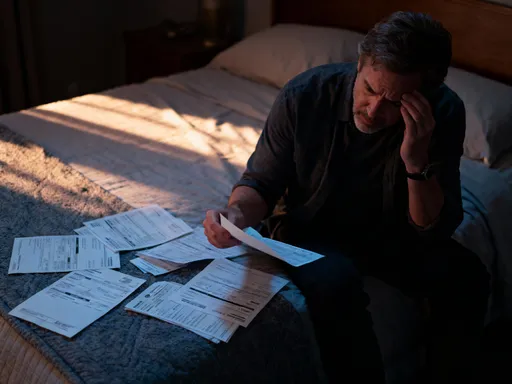
The Hidden Cost of Self-Care: Why Massage Therapy Is Becoming a Financial Blind Spot
In recent years, spending on wellness services like massage therapy has quietly surged—yet few treat it as a real financial category. I didn’t either, until I realized how much I was spending without tracking it. What started as an occasional splurge became a monthly habit, and suddenly, hundreds were flowing out annually. This isn’t just about relaxation—it’s about spending patterns disguised as self-care. As more people prioritize health, the line between medical necessity and luxury blurs, raising a critical question: Are we investing wisely, or just spending impulsively? The answer lies not in abandoning self-care, but in understanding its true cost and making intentional choices that support both physical well-being and financial stability.
The Rising Tide of Wellness Spending
Over the past decade, consumer behavior around health and wellness has undergone a quiet transformation. What was once considered a rare indulgence—booking a professional massage—is now part of a growing segment of routine household expenses. Wellness spending, particularly on services like massage therapy, chiropractic care, and mindfulness coaching, has seen steady growth, driven by increased awareness of mental and physical health. Unlike traditional medical care, which is often reactive, wellness services are marketed as proactive investments in long-term well-being. This shift has made them more socially acceptable and psychologically easier to justify. People no longer view massage appointments as frivolous; instead, they are framed as essential components of a balanced lifestyle.
Market trends reflect this evolution. While exact figures vary, industry reports consistently show an upward trajectory in consumer spending on preventive and lifestyle health services. The normalization of these expenses is reinforced by corporate wellness programs, social media influencers, and even healthcare providers who acknowledge the benefits of stress reduction and muscle recovery. As a result, many individuals incorporate massage into their monthly routines without considering its cumulative financial impact. The danger lies not in the service itself, but in the lack of deliberate budgeting. Because wellness spending feels virtuous, it often escapes the scrutiny applied to other discretionary purchases like dining out or entertainment.
This financial blind spot is amplified by the way these services are priced and delivered. Most massage sessions are paid for individually, using credit cards or digital wallets, making the transaction feel small and inconsequential. There’s no itemized receipt bundled with medical coding or insurance claims, so it doesn’t register as a formal healthcare expense. Yet, when repeated over time, these small payments add up. A seemingly modest session every four to six weeks can translate into several hundred dollars per year—money that could otherwise go toward savings, debt reduction, or other financial goals. The real issue is not whether massage is valuable, but whether consumers are making informed decisions about its place in their budgets.
From Luxury to Lifestyle: How Massage Became Routine
The journey of massage therapy from occasional luxury to lifestyle staple mirrors broader cultural changes in how we define health. In previous generations, physical discomfort was often endured or addressed only when severe. Today, there is a growing emphasis on prevention, comfort, and quality of life. Sedentary jobs, prolonged screen time, and high-stress environments have created new physical challenges—tight shoulders, chronic back pain, tension headaches—all of which massage is uniquely positioned to address. As these issues become common, so does the solution. Regular massage is no longer seen as pampering; for many, it feels necessary to maintain daily functioning.
Psychological factors also play a significant role. Stress has become a normalized part of modern life, and people are actively seeking ways to manage it. Massage offers both physical relief and emotional comfort, creating a dual benefit that reinforces its perceived value. The experience of deep relaxation after a session can feel transformative, especially in contrast to the constant stimulation of digital life. This emotional payoff strengthens the habit loop: discomfort arises, relief is sought, pleasure is experienced, and the behavior is repeated. Over time, the brain begins to associate massage with self-care, making it harder to question its frequency or cost.
Marketing strategies have further embedded massage into everyday life. Spas and wellness centers promote packages that encourage recurring visits, using language that emphasizes balance, alignment, and renewal. Employers, too, have contributed by offering wellness stipends or on-site massage as employee benefits. These initiatives, while well-intentioned, subtly reinforce the idea that regular massage is part of responsible self-management. The result is a cultural environment where skipping a session might feel like neglecting one’s health. But when every small act of care is monetized, the financial implications must be acknowledged. Just because something feels good—and even provides real benefits—doesn’t mean it should be immune to budgetary review.
The Price You Pay: Understanding Massage Costs Over Time
At first glance, a single massage session may appear to be a manageable expense. Depending on location and provider, the cost might seem comparable to a nice dinner or a streaming subscription. But unlike a one-time meal or a flat-rate service, massage is typically consumed repeatedly, and its costs compound over time. Consider a person who schedules a session once a month. Even at a moderate price point, that habit translates into a recurring annual expense that rivals some gym memberships or small insurance premiums. When tracked across multiple years, the total outlay becomes substantial—especially when contrasted with the opportunity cost of what that money could have achieved if invested or saved.
One of the challenges in recognizing this financial pattern is the way small, frequent payments blend into the background of daily spending. Credit card statements rarely categorize massage under “healthcare” or “wellness,” so it may be grouped with general services or miscellanies. Without active tracking, it’s easy to overlook. This is particularly true when payments are made digitally, where the psychological weight of spending is reduced. Swiping a card or tapping a phone feels less tangible than handing over cash, making it simpler to justify repeated visits. Over time, this creates a budget blind spot—a category of spending that grows quietly but significantly.
To put this into perspective, imagine redirecting the annual cost of regular massage sessions toward a high-yield savings account. Even at conservative interest rates, that money could grow meaningfully over five or ten years. Alternatively, applying those funds toward credit card debt could result in hundreds of dollars in interest savings. The point is not to eliminate massage altogether, but to recognize it as a real financial commitment. When framed this way, consumers can make more intentional choices. Is the benefit worth the cost? Could the same relief be achieved through lower-cost alternatives? These are practical questions that should be part of any financial review, especially as wellness spending becomes more normalized.
Health Benefit or Financial Leak? Weighing Value vs. Cost
The therapeutic value of massage therapy is well-documented in certain contexts. Research and clinical observations suggest that regular massage can help reduce muscle tension, improve circulation, and alleviate symptoms of chronic pain conditions such as lower back pain or repetitive strain injuries. For individuals with physically demanding jobs or those recovering from injury, massage can function as a form of preventive care, potentially reducing the need for more invasive treatments down the line. In these cases, the expense may be justified as a strategic investment in long-term health, much like regular dental cleanings or physical therapy sessions.
However, not all massage use falls into this category. For many, the primary motivation is emotional relief rather than medical necessity. The soothing environment, calming music, and tactile comfort provide a mental escape from daily pressures. While this emotional benefit is real and valuable, it should be distinguished from clinical treatment. When massage is used primarily for stress relief, it begins to resemble other forms of leisure spending—like spa days, vacations, or entertainment. There is nothing wrong with allocating money for emotional well-being, but doing so without clarity can lead to financial imbalance.
The key is discernment. A person managing chronic pain may derive measurable health benefits from regular sessions, justifying the cost as part of a broader health strategy. In contrast, someone using massage as a default response to weekly stress may be spending heavily on temporary relief rather than addressing root causes. In such cases, the financial outflow may not align with long-term wellness goals. The danger arises when emotional spending is rebranded as health investment, allowing it to bypass normal budget constraints. This doesn’t mean massage should be abandoned, but that consumers should evaluate each session based on need, not habit. Are you treating a specific condition? Or are you seeking comfort in a way that could be achieved through other, less costly means?
Smarter Spending: Strategies to Align Wellness with Budget Goals
Maintaining wellness habits does not require financial sacrifice, but it does require intentionality. The goal is not to eliminate massage therapy, but to integrate it into a sustainable financial plan. One effective approach is to shift from automatic, habitual visits to targeted, need-based sessions. Instead of scheduling appointments on a fixed calendar, individuals can assess their physical condition and stress levels before booking. This creates space for reflection and reduces the risk of spending on autopilot. For example, a session following intense physical activity or during a period of high stress may be well-justified, while a routine monthly visit during a calm, low-demand week may be less necessary.
Another strategy is to explore cost-effective alternatives that deliver similar benefits. Self-massage tools, such as foam rollers or handheld massagers, can provide relief for common muscle tension at a fraction of the cost. Stretching routines, yoga, and proper ergonomics at work can also reduce the need for professional intervention. For those who value the relaxation aspect, mindfulness practices like deep breathing, meditation, or warm baths can offer emotional relief without the price tag. These methods may not replace the full experience of a professional session, but they can complement it and reduce overall spending.
When professional massage is desired, consumers can look for ways to optimize value. Some providers offer discounted package rates for multiple sessions purchased in advance, which can lower the per-visit cost. Community clinics or training schools may provide services at reduced prices, performed by supervised students. Additionally, using flexible spending accounts (FSAs) or health savings accounts (HSAs), where eligible, can make massage more affordable by using pre-tax dollars. The key is to approach wellness spending with the same diligence applied to other financial decisions—researching options, comparing value, and planning ahead.
Risk Awareness: When Wellness Spending Becomes a Habit Trap
One of the most subtle dangers in modern financial behavior is the normalization of recurring expenses that begin as occasional treats. Wellness services like massage are particularly vulnerable to this pattern because they are framed as healthy, responsible choices. Unlike obvious luxuries, they carry a moral weight that makes them harder to question. This psychological framing allows them to slip under the radar of financial discipline. Over time, what started as a quarterly indulgence can evolve into a monthly obligation, and eventually, a perceived necessity. The risk is not just the money spent, but the erosion of mindful spending habits.
Habit traps occur when behavior becomes automatic, driven more by routine than by conscious choice. In the case of massage, the cycle often begins with genuine need—perhaps recovery from an injury or relief from acute stress. Once the pattern is established, it can persist even when the original reason fades. The brain associates the service with comfort, and the act of scheduling becomes a ritual rather than a decision. Without periodic review, this habit can persist indefinitely, draining resources that could be allocated elsewhere. The danger is compounded when multiple wellness services are added—acupuncture, facials, supplements—each justified individually but collectively forming a significant financial burden.
To avoid this trap, consumers must practice regular financial check-ins. Just as one might review insurance policies or subscription services annually, wellness spending should be subject to the same scrutiny. Ask: Is this still serving its intended purpose? Has the benefit diminished? Could I achieve similar results at a lower cost? These questions help break the cycle of automatic spending and restore agency. Financial health, like physical health, requires maintenance and occasional course correction. Recognizing when a beneficial habit begins to strain the budget is a sign of wisdom, not deprivation.
The Bigger Picture: Building Sustainable Health and Financial Habits
Ultimately, the conversation about massage therapy is not just about one service—it’s about how we define and manage self-care in a consumer-driven world. True well-being is not measured solely by how often we treat ourselves, but by the sustainability of our choices. A balanced approach recognizes that both physical health and financial stability are essential components of a fulfilling life. When wellness spending is deliberate, tracked, and aligned with personal goals, it becomes an investment. When it is impulsive, unexamined, and habitual, it becomes a leak.
The most resilient financial behaviors are those that combine awareness with compassion. It is possible to care for your body without compromising your future. This means making thoughtful choices—choosing quality over frequency, necessity over convenience, planning over impulse. It means using tools like budget tracking, spending reviews, and goal setting to ensure that every dollar spent supports a larger vision. Financial awareness is not the enemy of self-care; it is its foundation. When you know where your money goes, you can make choices that truly serve you—both in the moment and over time.
In a world that often equates spending with self-worth, resisting the urge to equate price with value is an act of strength. Real self-care is not about how much you spend, but how intentionally you live. By bringing clarity to wellness spending, you gain more than just financial control—you gain peace of mind. And that, perhaps, is the most valuable return on any investment.