How I Survived a Debt Crisis Without Losing My Mind
I used to think debt was just a number—until it swallowed my peace, my sleep, even my confidence. Like many beginners, I ignored the signs until I was drowning. But here’s the good news: I clawed my way back, not with magic tricks, but with simple, proven cost-cutting moves that actually work. This isn’t a theory—it’s what saved me. If you’re overwhelmed, you’re not alone—and there *is* a way out. The journey wasn’t fast, and it wasn’t glamorous, but it was real. And today, I stand on the other side, not rich, but free. That freedom didn’t come from luck. It came from decisions—small, daily choices that added up to a complete financial turnaround. This is how I did it, and how you can too.
The Moment Everything Changed
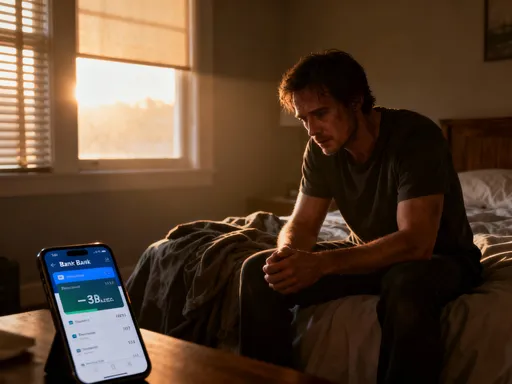
It was a Tuesday morning, the kind that starts with coffee and ends with quiet panic. I opened my banking app to pay a utility bill, and the screen froze my breath. The balance wasn’t just low—it was negative. Not by a few dollars, but by hundreds. That number wasn’t just a reflection of spending; it felt like a verdict. I had always considered myself responsible. I paid bills on time, avoided luxury purchases, and worked full time. But somewhere between recurring subscriptions, unexpected medical costs, and the slow creep of inflation, I had lost control. The truth hit like cold water: I wasn’t managing my money. My money was managing me.
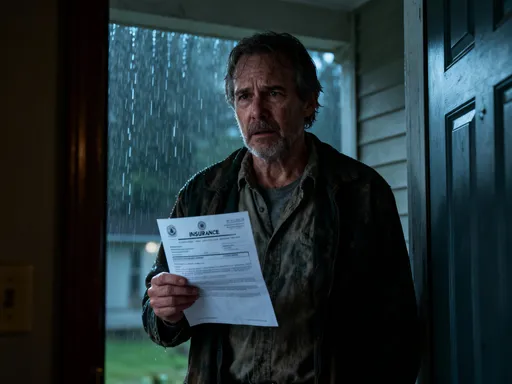
The emotional toll came quickly. Sleep became elusive. Every ring of the phone sparked anxiety—was it a creditor? I started avoiding my mailbox, dreading envelopes with official logos. The shame was quiet but constant. I didn’t talk about it, not even with close friends. It felt like failure, as though financial struggle was a personal flaw rather than a common experience. I wasn’t alone, of course. Millions face similar pressure, especially during economic shifts. But in that moment, it felt isolating. The worst part wasn’t the debt itself, but the erosion of self-trust. I no longer believed I could fix it.
What changed was a single decision: to stop pretending. I realized that denial was the real enemy, not the dollar amount. As long as I avoided the truth, I couldn’t act. So I made a promise to myself—no more hiding. I wouldn’t seek a miracle solution or wait for a windfall. Instead, I would face the situation with honesty and persistence. That mental shift, small as it seemed, was the first real step toward recovery. It wasn’t dramatic, but it was necessary. I stopped seeing myself as a victim of circumstance and started seeing myself as someone capable of change.
This moment of clarity didn’t erase the debt, but it removed the paralysis. I began to understand that financial crisis doesn’t always come from recklessness. Sometimes, it comes from life itself—job changes, health issues, family needs. And when those pressures pile up, even careful people can stumble. Recognizing that took the edge off the shame. It allowed me to approach the problem with compassion rather than criticism. And from that place, real progress could begin.
Facing the Numbers: What I Actually Owed
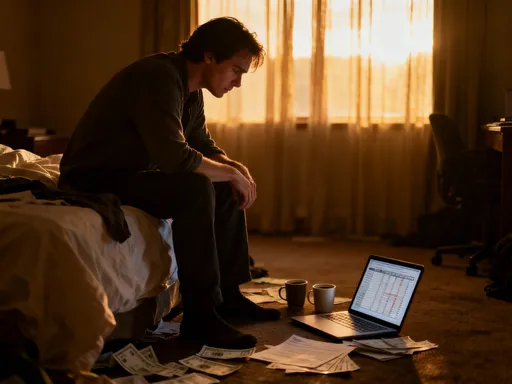
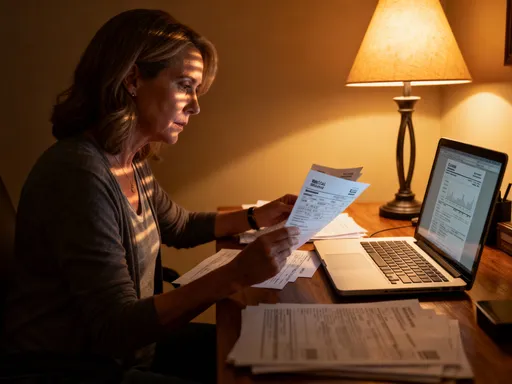
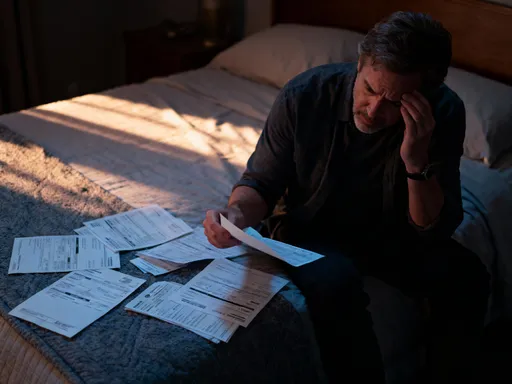
The next step was brutal but essential: I sat down with a notebook and listed every single debt I owed. No omissions, no softening the numbers. I gathered statements, logged into accounts, and wrote it all down. Credit cards, medical bills, a personal loan from my sister, even an overdue phone bill I had been ignoring. I totaled them up, and the number made my chest tighten. It was higher than I thought. For weeks, I had been operating on assumptions, not facts. And assumptions, I learned, are dangerous when money is tight.
I organized the debts into categories. High-interest credit cards came first, not because they were the largest, but because they were the most costly over time. Then came fixed obligations like medical debt and personal loans. I didn’t rank them by emotion—no focusing only on the ones that caused the most guilt. Instead, I looked at urgency and interest rate, but without obsessing over complex calculations. I wasn’t trying to be a financial expert. I was trying to see clearly.
This process did something unexpected: it gave me power. As long as the debts were scattered across different accounts and buried in my mind, they felt uncontrollable. But seeing them on paper, in black and white, made them real in a different way—something I could address. I wasn’t minimizing the challenge, but I was no longer mystified by it. Transparency became my anchor. I stopped lying to myself about “next month” or “when things improve.” Instead, I accepted the present reality. And that acceptance was the foundation of every decision that followed.
I also discovered hidden obligations I had forgotten. A gym membership I canceled but was still being charged for. A streaming service I thought I had paused. These weren’t massive amounts, but together, they added up to over $100 a month—money that could have gone toward reducing the principal. This audit wasn’t just about debt; it was about awareness. It showed me how easy it is to lose track when payments are automatic and invisible. From that point on, I committed to reviewing all recurring charges every 90 days. Knowledge, I realized, wasn’t just power—it was protection.
The Cost-Cutting Shift: Mindset Before Money
Before I changed my spending, I had to change my thinking. I used to view budgeting as restriction, as deprivation. I imagined it as a strict diet—something to suffer through until I “got back on track.” But that mindset set me up for failure. Every time I cut back, I felt punished. And when I inevitably slipped, I felt worse. This time, I tried a different approach: I reframed cost-cutting as a form of investment. Every dollar I saved wasn’t lost—it was redirected. It was going toward peace of mind, toward freedom, toward a future where I wasn’t afraid of my own bank balance.
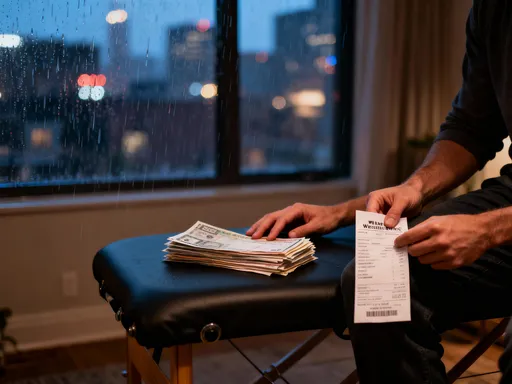
I started tracking every expense for two full weeks. No judgment, just observation. I wrote down everything: coffee, groceries, online purchases, even small cash withdrawals. At the end, I reviewed the list. The patterns were startling. I spent nearly $200 a month on convenience—grab-and-go meals, delivery fees, last-minute grocery runs where I paid premium prices for basics. I hadn’t realized how much these small choices were costing me. They didn’t feel extravagant, but together, they formed a steady leak in my financial foundation.
This awareness shifted something inside me. I didn’t need more willpower. I needed better information. Once I saw where the money was going, I could make intentional choices. I stopped asking, “Can I afford this?” and started asking, “What am I giving up to have this?” That simple question changed everything. Buying a $12 salad wasn’t just about lunch. It was about sacrificing $12 toward my debt reduction goal. That reframe made cutting back feel empowering, not punishing.
I also let go of the idea that financial health meant perfection. I didn’t need to eliminate all non-essentials. I just needed to align my spending with my values. If a weekly coffee with a friend brought me joy and connection, I kept it—but I limited it to one, and I made it a conscious choice, not a habit. This wasn’t about austerity. It was about intentionality. And that subtle shift made the entire process more sustainable.
Trimming the Fat: Where I Cut Without Misery
With a new mindset in place, I began making practical changes. I focused on areas where I could reduce spending without sacrificing quality of life. The goal wasn’t to live like a monk, but to live more wisely. I started with subscriptions. I had six active services—streaming platforms, a fitness app, a meal kit, and more. I canceled three that I rarely used. For the ones I kept, I switched to lower-cost tiers or shared accounts with family members where allowed. That single move saved over $80 a month—money that went straight to my highest-interest debt.
Groceries were next. I had always thought I was a careful shopper, but I wasn’t strategic. I started planning meals weekly, making lists, and sticking to them. I began buying store brands, which tasted the same but cost significantly less. I also embraced bulk buying for non-perishables and took advantage of sales cycles. One simple habit change—shopping only after eating—reduced impulse buys dramatically. I stopped going to the store hungry, and my cart (and my bill) reflected the difference. These adjustments saved me about $150 a month, the equivalent of a full tank of gas every week.
Utilities were another area of waste. I called my internet provider and asked for a better rate. I explained I was reviewing my budget and inquired about promotions. They offered a discounted plan for six months. I also switched to a more efficient energy provider and adjusted my thermostat by a few degrees. Small changes, but they added up. I installed LED bulbs and fixed a leaky faucet that was wasting both water and money. Over a year, these utility cuts saved nearly $400.
I also embraced secondhand for items I truly needed. Instead of buying new clothes or furniture, I explored thrift stores, online marketplaces, and community groups. I found high-quality pieces at a fraction of the cost. A winter coat that would have cost $120 new was mine for $25, gently used. A sturdy dining table came from a neighbor who was downsizing. This wasn’t about embarrassment—it was about resourcefulness. I learned that value isn’t always tied to newness. And every dollar saved this way was a dollar that could work harder elsewhere.
Building a Realistic Budget That Actually Stuck
My past budgets failed because they were too rigid. They didn’t account for real life—unexpected car repairs, birthday gifts, or a sick day that meant no overtime. So this time, I built a budget that allowed for flexibility. I used a modified envelope system, allocating money to categories like groceries, transportation, and utilities. But instead of cash envelopes, I used digital tracking with clear monthly limits. The key was that the numbers were based on actual spending history, not ideals.
I also included a “freedom fund”—a small amount, just $50 a month, for guilt-free spending. This was crucial. It prevented the feeling of deprivation that had derailed me before. If I wanted a book, a small treat, or a coffee out, I could use this fund without breaking the budget. Knowing I had this allowance made the rest of the budget easier to follow. It wasn’t a loophole—it was a safety valve.
Since my income wasn’t always steady, I planned for the lowest expected monthly amount. Any extra went toward debt or savings. This approach removed the stress of “What if I don’t earn enough?” I wasn’t budgeting for the best-case scenario. I was budgeting for stability. I also automated key payments—minimum debt payments, rent, and utilities—so they were taken care of before I could spend the money elsewhere.
The budget wasn’t perfect. Some months, I overshot in one category and had to adjust another. But I didn’t abandon it. I reviewed it monthly, learned from slip-ups, and adapted. The goal wasn’t flawlessness—it was consistency. And because the budget reflected my real life, not an unrealistic ideal, I could stick with it. Over time, it became less of a chore and more of a guide. It didn’t control me. It supported me.
Protecting Progress: Avoiding the Relapse Trap
As my debt shrank, I felt lighter. But with relief came risk. The temptation to celebrate with spending was real. I caught myself eyeing a new phone I didn’t need, justifying it as a “reward.” I almost signed up for a weekend getaway, telling myself I deserved it. But I paused. I had worked too hard to undo it in a weekend. So I created safeguards. First, I built a mini emergency fund—$1,000, kept in a separate account. It wasn’t for luxuries. It was for real emergencies: a flat tire, a prescription, a home repair. Having it reduced the urge to use credit for surprises.
I also set clear rules for credit use. I didn’t cancel my cards—I didn’t need to cut off all access. But I decided I would only use them for small, recurring bills that I could pay off in full each month. No new balances. No “buy now, pay later” traps. I also enabled alerts for every transaction, so I could monitor spending in real time. These boundaries weren’t restrictions—they were protections.
I also changed how I celebrated. Instead of spending, I found free or low-cost ways to mark progress. A walk in the park, a movie night at home, a handwritten note to myself acknowledging how far I’d come. These moments reinforced the emotional rewards of financial health. I wasn’t just paying off debt—I was rebuilding confidence.
Staying out of debt, I realized, requires as much planning as getting out of it. It’s not a finish line. It’s a practice. And the habits I built during the crisis became the foundation of my new normal. I didn’t want to return to the fear, the sleepless nights, the shame. So I protected my progress with intention, just as I had built it.
From Survival to Stability: What’s Next
Today, my debt is paid off. The relief is deep, but it’s not the end. It’s a new beginning. I’m no longer in survival mode. I’m in building mode. I’ve started saving regularly, not large amounts, but consistently. I have a growing emergency fund, and I’m learning to invest in low-risk options that align with my comfort level. I don’t chase high returns or take reckless risks. I value stability over speed.
My relationship with money has changed. It’s no longer a source of fear or shame. It’s a tool. I use it with more awareness, more care. I still make mistakes, but I correct them quickly. I review my spending monthly. I adjust my budget as life changes. I celebrate progress, not perfection.
I’ve also started sharing what I learned—not as an expert, but as someone who’s been through it. I talk openly with friends, write in a journal, and sometimes share tips online. Helping others understand their options feels meaningful. It turns my struggle into something useful.
I don’t have a perfect financial future mapped out. But I have something better: control. I know I can handle setbacks. I know I can make better choices. And if I ever feel overwhelmed again, I have a roadmap. The journey taught me that financial health isn’t about income level. It’s about habits, mindset, and consistency. It’s about showing up, day after day, even when it’s hard. If I can do it, so can you. And when you do, you’ll find that the greatest reward isn’t just a zero balance. It’s the peace that comes with knowing you’re in charge.