Lost in the Clouds: Hiking Hakone’s Secret Theme Trails
You know what? I never expected a place like Hakone could pack so much magic into one mountain escape. Between the misty ridges, steaming onsen vibes, and trails that lead straight into postcard views, hiking here feels like walking through living art. Each path tells a story—forest whispers, shrine echoes, lake panoramas. This is more than just a trek; it’s a journey through themed worlds, all connected by footpaths and soul-soothing energy. Nestled in the Fuji-Hakone-Izu National Park, Hakone offers hikers an unparalleled blend of natural wonder, cultural heritage, and intentional design. Whether you’re tracing quiet forest floors or standing breathless at a ridge with Fuji framed perfectly in the distance, every step feels curated—not manufactured, but guided by centuries of reverence for nature’s rhythm. It’s no wonder that travelers return again and again, not just to see the sights, but to feel something deeper within themselves.
Why Hakone Is the Ultimate Hiking Escape
Hakone stands apart as a hiking destination not because it’s the tallest, wildest, or most remote—but because it harmonizes nature, culture, and accessibility in a way few places can match. Located just over an hour from Tokyo by train, this mountainous region sits within a caldera formed by volcanic activity over 300,000 years ago. The result is a landscape of dramatic contrasts: deep forests, sulfur-tinged valleys, serene lakes, and panoramic ridgelines—all within a compact area easily explored on foot. What makes Hakone truly special is its vertical diversity. As elevation shifts from around 400 meters near Lake Ashi to over 1,300 meters at the peak of Mount Kami, hikers pass through distinct ecological zones. At lower altitudes, dense cedar and cypress forests thrive in moist, shaded conditions, their trunks draped in moss and ferns. Higher up, the air thins and sunlight filters differently, giving way to hardy alpine plants and open vistas where birds of prey circle above volcanic ridges.
This layered geography means that a single day’s hike can offer multiple environments, each with its own atmosphere and sensory experience. In spring, azaleas bloom along the valley trails; summer brings lush green canopies that cool the air by several degrees; autumn sets the hills ablaze with crimson maples; and winter dusts the higher paths with snow, transforming the forest into a monochrome dream. But beyond seasonal beauty, Hakone’s appeal lies in its cultural continuity. For centuries, this area has been a spiritual retreat, a place of pilgrimage, and a sanctuary for those seeking clarity. Shinto shrines dot the landscape, many built near sources of natural energy—hot springs, waterfalls, or ancient trees believed to house kami, or spirits. These elements combine to create a hiking experience that is not only scenic but deeply restorative.
Hikers return to Hakone not merely to log miles but to reconnect—with nature, with tradition, and with themselves. Unlike more rugged alpine treks that demand extreme fitness or technical gear, Hakone’s trails welcome a wide range of abilities. Well-maintained paths, clear signage in English and Japanese, and frequent access points make it ideal for families, solo travelers, and midlife adventurers alike. Yet despite its accessibility, Hakone never feels overcrowded on the lesser-known routes. With thoughtful planning, one can find solitude even on weekends. This balance—between ease of access and depth of experience—is what defines Hakone as the ultimate hiking escape. It invites you not to conquer the mountain, but to walk with it, learn from it, and carry its quiet strength into everyday life.
The Concept of Theme Areas in Nature Walks
What sets Hakone apart from other hiking destinations is not just its natural beauty, but the intentional design of its trail system into what can best be described as “theme areas.” These are not arbitrary labels, but carefully recognized zones, each offering a distinct mood, sensory experience, and emotional resonance. Think of them as chapters in a book, each with its own tone and narrative arc. The idea is not new—Japan has long celebrated the concept of *meisho*, or “famous places,” each with poetic associations and cultural significance. But in Hakone, this tradition has evolved into a modern form of experiential storytelling through landscape.
Each theme area is designed to engage a different aspect of the hiker’s awareness. Some paths emphasize silence and introspection, others celebrate thermal energy and healing, while still others focus on grandeur and perspective. This thematic approach transforms hiking from a physical activity into a journey of the senses and spirit. For example, walking through the Forest of Silence is not simply about covering distance—it’s about slowing down, listening to the crunch of pine needles, feeling the cool air on your skin, and noticing how your breath synchronizes with the rhythm of the woods. Similarly, the Onsen Valley Loop doesn’t just lead past hot springs—it immerses you in a culture where steam rising from the earth is both a natural phenomenon and a symbol of renewal.
These themes are reinforced by subtle environmental cues: changes in trail surface, shifts in vegetation, variations in light and sound. Signage is minimal but meaningful, often featuring haiku or short reflections that invite pause rather than information overload. Benches are placed at moments of transition—where the forest opens to a view, or where a stream crosses the path—not just for rest, but for contemplation. This design philosophy reflects a deep understanding of how environment shapes mood. It acknowledges that people don’t just want to see beautiful places; they want to feel transformed by them. By organizing the landscape into themed experiences, Hakone offers hikers a more intentional and memorable journey. It’s like moving through a series of living rooms, each decorated with a different purpose in mind: one for meditation, one for celebration, one for wonder. And because these areas are connected by continuous trails, the transitions feel organic, not forced. You don’t drive from one to the next—you walk into them, allowing the shift in atmosphere to unfold gradually, like a slow reveal in a film.
For the modern traveler, especially women between 30 and 55 who often balance family, work, and personal well-being, this kind of structured yet fluid experience is invaluable. It provides clarity without rigidity, freedom without confusion. You can choose a theme that matches your mood—seeking calm, energy, or inspiration—and let the landscape guide you. In a world that often feels fragmented, Hakone’s themed trails offer a rare sense of coherence. Each path becomes more than a route—it becomes a ritual.
Trail 1: The Forest of Silence – Where Sound Fades and Soul Awakens
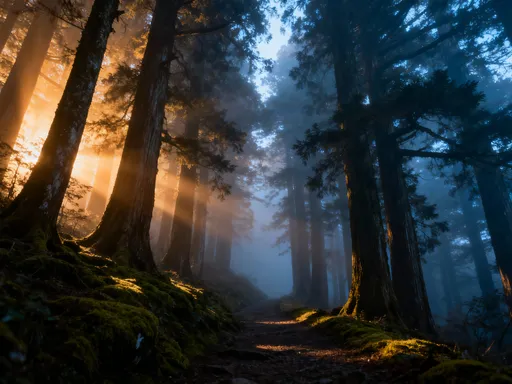
One of the most profound experiences in Hakone is walking the Forest of Silence, a secluded trail that lives up to its name in the most literal and poetic ways. Located on the eastern flank of Mount Myōjō, this path winds through a centuries-old cryptomeria forest, where the trees stand like sentinels, their trunks thick and reddish-brown, rising over 30 meters into the canopy. The ground is covered in a thick layer of moss and fallen needles, creating a soft, sound-absorbing carpet that muffles footsteps and external noise. Even on days when nearby trails are busy, this route remains hushed, as if the forest itself enforces a code of quiet reverence.
The hike begins at the Gora Station end of the Hakone Tozan Line, where a short bus ride or a gentle uphill walk leads to the trailhead near the Hakone Open-Air Museum. From there, the path ascends gradually through shaded groves, crossing small wooden bridges over trickling streams. The air is cool and fragrant, carrying the faint scent of damp earth and cedar resin. Birdsong is sparse—mostly the occasional call of a Japanese bush warbler or the rustle of a squirrel in the underbrush—but these sounds only deepen the sense of stillness. There are no loud signs, no vending machines, no crowds. Just the occasional weathered wooden marker indicating the trail continues ahead.
The full loop takes about 2 to 3 hours at a relaxed pace, covering roughly 5 kilometers with a moderate elevation gain of around 200 meters. The terrain is well-maintained but natural—packed dirt, stone steps, and tree roots covered in moss—so sturdy hiking shoes are recommended. The best times to visit are early morning or late afternoon, when the sunlight slants through the trees in golden shafts, illuminating the mist that often lingers in the lower areas. Spring and autumn are particularly beautiful, but even in summer, the forest provides a refreshing escape from the heat.
What makes this trail transformative is not just its beauty, but its effect on the mind. Within minutes of entering, many hikers report a noticeable shift in awareness—a slowing of thoughts, a release of tension, a return to the present moment. This is not accidental. The Japanese practice of *shinrin-yoku*, or forest bathing, originated in part from experiences like this, where immersion in nature is treated as a form of therapy. Studies have shown that time spent in such environments can lower cortisol levels, reduce blood pressure, and improve mood. On the Forest of Silence trail, these benefits are palpable. It’s common to see hikers pausing not to check maps or take photos, but simply to close their eyes and breathe. Some sit on moss-covered logs, journaling or meditating. Others walk in silence with companions, comfortable in the shared stillness.
For women navigating the complexities of midlife—juggling careers, parenting, aging parents, and personal aspirations—this kind of mental reset is invaluable. The Forest of Silence doesn’t demand effort; it offers relief. It reminds you that you don’t always have to be doing, solving, or planning. Sometimes, just being is enough. And in that space, new ideas emerge, old worries lose their grip, and a sense of inner calm takes root. This trail doesn’t just lead through a forest—it leads inward.
Trail 2: Onsen Valley Loop – Steam, Stone, and Soothing Vibes
If the Forest of Silence speaks to the mind, the Onsen Valley Loop speaks to the body. This trail traces a gentle circuit through the heart of Hakone’s geothermal zone, where the earth breathes warmth and the air carries the faint tang of sulfur. The route begins near Yumoto Station and follows a series of paved and gravel paths that wind past steaming vents, bubbling pools, and traditional ryokan with wooden footbridges leading to private baths. Unlike more commercialized onsen towns, this area retains a sense of authenticity—families run the inns, shopkeepers greet regulars by name, and the pace of life moves in rhythm with the rise and fall of steam from the ground.
The trail itself is easy to navigate, mostly flat with minimal elevation change, making it ideal for hikers of all ages and fitness levels. It can be completed in about 2.5 hours, though most people take longer, stopping frequently to soak feet in public *ashiyu* (foot baths), sip tea at roadside stalls, or admire the craftsmanship of stone lanterns and wooden gates. The scent of sulfur is present but not overpowering—more mineral-rich than unpleasant—and it serves as a constant reminder that you are walking above active volcanic forces. In places, you can see steam rising between rocks, or feel warmth radiating from the ground through your shoes.
One of the highlights is the Hakone Sekisho historical site, a restored checkpoint from the Edo period where travelers were once inspected before entering or leaving the region. Today, it offers a quiet garden and a small museum, but more importantly, it marks a transition point on the trail where the urban feel of the town gives way to a more natural setting. Beyond this point, the path follows a stream lined with willows and stone walls, leading to a cluster of public bathhouses and tea houses. Here, visitors are welcome to purchase a day pass and experience an onsen soak—a deeply relaxing complement to any hike.
Practical tips enhance the experience. Carry a reusable water bottle—there are several public refill stations along the route. Wear moisture-wicking clothing, as the humid air can feel sticky, especially in summer. And always respect local customs: wash thoroughly before entering any bath, keep voices low in quiet areas, and avoid staring at others. Many ryokan welcome guests to use their gardens or tea rooms even if not staying overnight, but it’s polite to ask first. The Onsen Valley Loop is not just a trail—it’s an invitation to slow down, tune in, and care for your body. In a culture that values *omotenashi* (wholehearted hospitality), every detail is designed to make you feel nurtured. And for women who often put others’ needs first, this kind of intentional self-care is not indulgence—it’s necessity.
Trail 3: Lake Ashi Ridge – Panoramas with a Side of Legend
For those seeking grandeur, the Lake Ashi Ridge trail delivers some of the most breathtaking views in all of Japan. Perched along the northern edge of Lake Ashi, this elevated path offers sweeping vistas of the caldera lake, framed by forested slopes and, on clear days, the perfect cone of Mount Fuji rising in the distance. The trail begins near Togendai Station, accessible by the Hakone Sightseeing Cruise from Hakone-machi or Moto-Hakone. From there, a well-marked path climbs gently along the ridge, passing through open meadows and rocky outcrops that provide ideal photo opportunities.
The full route takes about 3 to 4 hours round-trip, with moderate elevation gain and mostly stable footing. While not technically difficult, the trail can be exposed to wind and sun, so a hat, sunscreen, and windbreaker are advisable. The best visibility typically occurs in winter and early spring, when cold, dry air creates crisp atmospheric conditions. Autumn offers golden foliage, while summer brings lush greenery—but also more haze and occasional fog. Early morning hikes are ideal, both for lighting and crowd avoidance.
What makes this trail special is not just the view, but the sense of history that permeates the landscape. For centuries, this area was part of a pilgrimage route to the Hakone Shrine, dedicated to the goddess of safe travel. The iconic red *torii* gate that appears to float on the lake’s surface during high water is a powerful symbol of transition—from the worldly to the sacred, from effort to arrival. Hikers today follow in the footsteps of travelers who came for spiritual reasons, and that legacy adds depth to the experience. Along the way, small shrines and stone markers honor local deities and historical figures, inviting quiet reflection.
The ridge also offers excellent birdwatching and seasonal wildflowers, including alpine lilies and fireweed. Benches are placed at key viewpoints, allowing hikers to rest and absorb the scale of the scenery. Many choose to end the hike with a cruise back across the lake, watching the shoreline recede and the mountains turn purple in the late-day light. This trail is perfect for those who want a balance of physical activity and visual reward—where every turn offers a new postcard moment. It’s also deeply inspiring for women who seek perspective, whether in their personal lives or creative pursuits. Standing above the lake, with the wind in your hair and Fuji on the horizon, you feel both small and significant—a part of something vast, yet fully present in your own story.
Planning Your Hiking Day: Transport, Gear, and Timing
One of the greatest advantages of hiking in Hakone is the seamless integration of public transportation and trail access. The Hakone Free Pass, available to both domestic and international visitors, covers unlimited travel on trains, buses, cable cars, and boats within the region for one or two days. This pass alone makes it easy to plan a flexible, stress-free hiking itinerary without needing a car. Most major trailheads are within 10 to 20 minutes of a train or bus stop, and schedules are reliable and well-coordinated.
When planning your day, consider the season and your energy level. Spring and autumn offer the most comfortable temperatures and the most dramatic scenery, but they are also the busiest. For a quieter experience, consider visiting in late winter (February) or early summer (June), just before the rainy season. Start early—ideally by 8:00 or 9:00 a.m.—to avoid crowds and make the most of daylight. Check the weather forecast the night before, especially if you plan to hike the Lake Ashi Ridge, where visibility can change rapidly.
Essential gear includes a lightweight backpack, at least one liter of water, a rain jacket (even on sunny days—mountain weather is unpredictable), and layers that can be added or removed as temperatures shift. Trail snacks like energy bars, dried fruit, or onigiri (rice balls) are widely available at convenience stores in Hakone-Yumoto or Gora. Don’t forget a camera or smartphone for photos, and if you’re visiting the Onsen Valley, pack a small towel for foot baths. Sturdy walking shoes with good traction are non-negotiable—many trails have loose gravel, roots, or wet stones.
Sustainability is a core value in Hakone. Stay on marked paths to protect delicate vegetation, carry out all trash (including biodegradable items like fruit peels), and avoid feeding wildlife. Many trails have small donation boxes or volunteer clean-up days—participating, even in a small way, helps preserve this special place for future generations. By hiking mindfully, you honor both the land and the culture that has cared for it for centuries.
Beyond the Trail: How Themed Hiking Transforms Travel
Hiking in Hakone is more than a physical activity—it’s a form of emotional and spiritual nourishment. The concept of themed trails elevates the experience from simple sightseeing to intentional journeying. Each path offers not just scenery, but a state of mind: silence, warmth, wonder. This deliberate design invites hikers to engage more deeply, to move not just their bodies, but their hearts and thoughts. In a world that often feels rushed and fragmented, Hakone offers coherence, rhythm, and meaning.
For women in their 30s, 40s, and 50s—many of whom carry the weight of multiple roles—this kind of travel is transformative. It’s not about escaping life, but returning to oneself. Walking the Forest of Silence, soaking in the Onsen Valley, standing atop the Lake Ashi Ridge—each experience offers a different kind of healing. And because these trails are accessible, safe, and thoughtfully maintained, they empower rather than exhaust. You don’t need to be an elite athlete or seasoned adventurer. You just need to show up, one step at a time.
Hakone reminds us that nature is not separate from culture, but intertwined with it. The trails are not just paths through the woods—they are threads in a larger tapestry of history, spirituality, and daily life. To hike here is to participate in a tradition of reverence, to walk with intention, and to leave with more than memories. You carry back a sense of balance, clarity, and quiet strength. So plan your journey, pack your bag, and step onto the trail. Let Hakone’s themed paths guide you—not just to beautiful places, but to a more centered, peaceful version of yourself. Walk gently. Breathe deeply. And let the mountains hold you, just for a while.