You Won’t Believe These Hidden Art Spots in Goa
Goa isn’t just beaches and parties—it’s a secret hub for art lovers. I was blown away by how creativity thrives in quiet corners, from old Portuguese houses turned galleries to open-air murals beside spice farms. If you’re tired of the usual tourist trail, these art spaces will reframe your Goa. They’re authentic, immersive, and deeply local. Let me show you where to go—and how to truly connect with the soul of this coastal gem.
Why Art Makes Goa More Than a Beach Escape
For decades, Goa has been celebrated for its sun-drenched shores and vibrant nightlife, but beneath this popular image lies a rich cultural current shaped by centuries of cross-cultural exchange. The state’s unique artistic identity is rooted in the blending of Indian traditions and Portuguese colonial influence, creating a visual language that is both familiar and refreshingly distinct. This fusion is not confined to history books—it lives in the archways of old homes, the colors of temple murals, and the bold strokes of contemporary canvases. For travelers seeking more than a surface-level vacation, engaging with Goa’s art scene offers a deeper understanding of its people, values, and evolving identity.
Art in Goa is not merely decorative; it is a form of storytelling and resistance. In the post-colonial era, local artists have used their work to reclaim narratives, preserve indigenous knowledge, and respond to environmental and social change. From paintings that depict village life to installations reflecting on coastal erosion, creativity here is deeply intertwined with lived experience. This makes visiting art spaces more than an aesthetic pursuit—it becomes a way to witness the heartbeat of the community. Unlike mass-market souvenirs or commercialized performances, these spaces offer unfiltered access to authentic expression, often in intimate, thoughtfully curated settings.
What sets Goa’s art scene apart is its accessibility and warmth. Many galleries and studios operate on a community basis, welcoming visitors without the formality or intimidation that can accompany urban art institutions. Artists often engage directly with guests, sharing the inspiration behind their work and the techniques they’ve inherited or reinvented. This personal connection transforms a casual visit into a meaningful exchange. For families, couples, or solo travelers—especially women between 30 and 55 who value thoughtful, enriching experiences—these encounters provide a sense of belonging and discovery that few beach resorts can match.
Moreover, art-focused travel supports sustainable tourism. When you visit a local gallery or purchase a handmade piece, you contribute directly to the livelihood of artists and their communities. This form of engagement encourages preservation of heritage and fosters pride in cultural identity. It also steers tourism away from overcrowded hotspots toward quieter, more resilient corners of the state. In choosing to explore Goa’s creative spaces, you’re not just seeing a new side of the destination—you’re helping to sustain its soul for future generations.
Panjim’s Heritage Zones: Where History Meets Modern Creativity
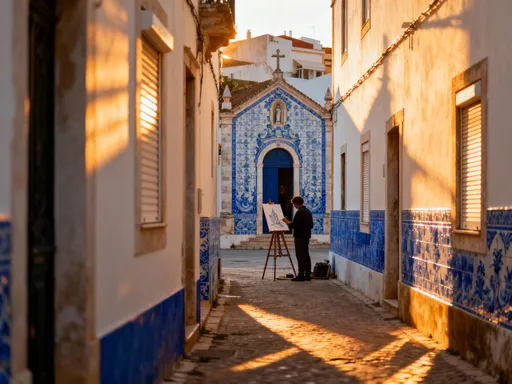
Panjim, the capital of Goa, stands as a living testament to the state’s layered history and artistic evolution. Nestled along the Mandovi River, the city’s Latin Quarter—also known as Fontainhas—preserves a charming network of cobbled streets, pastel-colored homes, and intricately carved balconies that echo its Portuguese past. But beyond its architectural beauty, this neighborhood has become a cultural nucleus where heritage and contemporary art coexist in harmony. Walking through Fontainhas feels like stepping into a living gallery, where every corner reveals a new expression of Goan identity.
One of the most significant institutions in the area is Sunaparanta, Goa’s Center for the Arts. Housed in a beautifully restored colonial villa, this nonprofit space is dedicated to promoting visual arts through exhibitions, workshops, and artist residencies. The gallery features rotating displays of painting, photography, and mixed media, often spotlighting emerging Goan artists and socially conscious themes. What makes Sunaparanta especially inviting is its open-door philosophy—visitors are encouraged to linger, ask questions, and even participate in ongoing projects. The serene courtyard, shaded by mango trees, offers a peaceful place to reflect on what you’ve seen, making it an ideal stop for thoughtful travelers.
Another cornerstone of Panjim’s cultural landscape is the Goa State Museum, located nearby in the Idalcao area. While not as flashy as metropolitan institutions, this museum offers a comprehensive look at Goa’s artistic and historical journey. Its collections include ancient sculptures, traditional textiles, numismatic artifacts, and a dedicated section on Goan Christian art—a rare and insightful glimpse into the fusion of faith and aesthetics. The museum’s modest scale allows for a relaxed, unhurried visit, perfect for those who prefer depth over spectacle. Informative plaques and occasional guided talks help contextualize the pieces, enhancing the educational value of the experience.
For those who enjoy immersive exploration, heritage walking tours are an excellent way to connect the dots between architecture and art. Several local organizations offer guided strolls through Fontainhas that combine historical narration with visits to private homes turned galleries. These homes, once inhabited by Portuguese officials or Goan aristocrats, now serve as intimate exhibition spaces where art is displayed in domestic settings—on stairwells, in dining rooms, beneath stained glass. This blending of private and public, past and present, creates a uniquely personal atmosphere. Travelers often leave not only with a better understanding of Goan aesthetics but also with a sense of having been welcomed into someone’s world.
Offbeat Studios in North Goa: Beyond the Party Scene
North Goa is often associated with bustling markets, beach shacks, and energetic nightlife, but just a short drive inland lies a quieter, more contemplative side of the region. In villages like Assagao, Arpora, and Siolim, a growing number of artists have transformed old farmhouses, ancestral homes, and repurposed structures into creative studios and exhibition spaces. These sanctuaries offer a peaceful contrast to the coastal frenzy, inviting visitors to slow down and engage with art in a more personal, unhurried way.
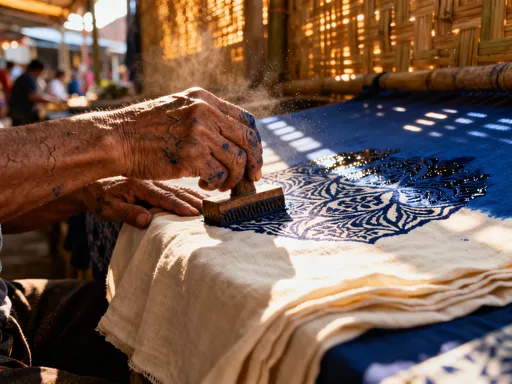
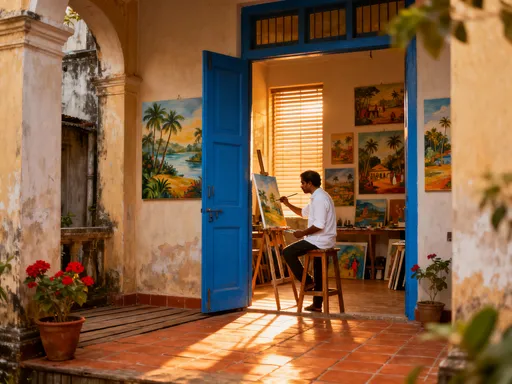
One notable example is the studio scene in Assagao, where several international and local artists maintain working spaces open to the public during certain seasons. These studios are not commercial galleries but functional workplaces where painting, sculpture, and textile art are created in real time. Visitors can observe artists at work, learn about their processes, and even participate in short workshops on printmaking, natural dyeing, or clay modeling. These hands-on experiences are particularly appealing to travelers who value meaningful interaction over passive observation. For mothers or women traveling with family, such activities offer a chance to bond through creativity while supporting local artisans.
Many of these studios operate on an appointment or seasonal basis, often aligning with the cooler winter months when the creative community is most active. Some host weekend open houses or themed exhibitions, such as eco-art installations using recycled materials or collaborative murals inspired by Goan folklore. These events draw small, engaged audiences and foster a sense of community. Travelers are advised to check social media pages or contact local tourism offices in advance to confirm opening times and avoid disappointment. Respecting the artists’ space is essential—keeping noise levels low, refraining from touching works unless invited, and asking permission before photographing ongoing projects.
Shopping at these studios also offers a more ethical alternative to generic souvenir markets. Instead of mass-produced trinkets, visitors can purchase original pieces—hand-painted ceramics, block-printed scarves, or limited-edition prints—at fair prices directly from the creators. This direct exchange ensures that the economic benefits of tourism reach those who contribute most to the cultural fabric. For women who appreciate craftsmanship and sustainability, these authentic finds carry both aesthetic and emotional value, serving as lasting reminders of a more intentional kind of travel.
South Goa’s Serene Art Retreats: Culture in the Wild
If North Goa pulses with energy, South Goa breathes with quiet rhythm. This region, known for its lush landscapes, secluded beaches, and slower pace of life, has become a sanctuary for artists seeking inspiration from nature and solitude. Here, art is not separated from the environment—it grows from it. Several retreats and cultural spaces in South Goa integrate ecological awareness with creative practice, offering visitors a chance to experience art that is deeply rooted in place.
One such destination is the sculpture garden at the Institute Menezes Braganza in Margao. Though smaller than formal art parks, this outdoor space features a curated collection of stone and metal works by Goan sculptors, many of whom draw from mythological themes and rural life. The sculptures are thoughtfully placed among trees and walking paths, allowing visitors to encounter them organically as they stroll. The interplay of light, shadow, and natural surroundings enhances the viewing experience, making it feel less like a museum visit and more like a meditative journey. The institute also hosts occasional poetry readings and acoustic music sessions, further enriching its role as a cultural hub.
Near Palolem and Patnem, eco-conscious art residencies have begun to emerge, often run by collectives focused on sustainability and traditional knowledge. These spaces welcome visitors for guided tours or short workshops on natural pigments, bamboo craft, or earth-building techniques. The emphasis is on using locally sourced, biodegradable materials, reflecting a commitment to environmental stewardship. For travelers concerned about the ecological impact of tourism, these initiatives offer a model of how creativity and conservation can go hand in hand. The atmosphere is informal and inclusive, with artists often sharing meals or stories with guests, fostering genuine connection.
Another unique feature of South Goa’s art scene is its integration with wellness and mindfulness. Some retreats combine art-making with yoga, meditation, or nature walks, creating holistic experiences that nourish both body and spirit. These programs are especially appealing to women in their 30s to 50s who seek balance and renewal in their travels. Whether sketching by a lagoon, journaling under a cashew tree, or shaping clay with mindful intention, participants report a deep sense of presence and emotional clarity. These moments of creative stillness often become the most memorable parts of a trip—simple, unplanned, and profoundly moving.
Street Art Trails: Murals That Tell Goa’s Story
In recent years, urban art has quietly transformed several neighborhoods across Goa, turning blank walls into vibrant storytelling canvases. Unlike commercial advertisements or graffiti, these murals are often community-commissioned, reflecting local history, ecological concerns, and cultural pride. From Mapusa to Vasco da Gama, and even in smaller towns like Ponda, colorful frescoes depict everything from traditional fisherfolk and Konkani script to endangered birds and coastal landscapes. These works not only beautify public spaces but also invite passersby to pause and reflect on what it means to be Goan today.
One of the most accessible street art trails begins in Mapusa Market’s surrounding lanes, where a series of murals celebrate rural life and agricultural heritage. Painted by local artists and supported by cultural NGOs, these pieces feature scenes of paddy farming, coconut harvesting, and folk dances like Ghode Modni. The use of bold outlines and saturated colors ensures visibility and emotional impact, even in bright sunlight. Photographers will appreciate the natural lighting during late morning or early afternoon, when the sun casts sharp shadows that enhance the depth of the artwork. For families, these murals serve as engaging visual lessons for children, sparking conversations about tradition and sustainability.
In Vasco da Gama, murals often focus on maritime identity and environmental protection. One striking piece near the harbor portrays a fisherwoman gazing at a clean, thriving coastline, contrasting with a smaller panel showing plastic-choked waters. Such works are part of broader awareness campaigns, demonstrating how art can inspire civic responsibility. Viewing these murals respectfully is crucial—visitors should avoid touching the walls, refrain from littering, and never block footpaths while taking photos. Many locals take pride in these installations, and a friendly greeting or simple thank-you to nearby shopkeepers can go a long way in fostering goodwill.
For those planning a dedicated street art walk, starting early in the day is advisable to avoid heat and crowds. Comfortable walking shoes, a water bottle, and a light scarf for sun protection are practical essentials. While some murals are well-documented online, others remain undocumented, discovered only by wandering with curiosity. This element of surprise adds to the charm, turning the city itself into an open-air gallery waiting to be explored. By engaging with street art mindfully, travelers become part of a larger conversation—one that honors the past while envisioning a more conscious future.
Timing, Access, and Etiquette: How to Visit Respectfully
One of the joys of exploring Goa’s art spaces is their authenticity—but this also means they often operate differently from conventional tourist attractions. Many galleries, studios, and cultural centers are not open daily, may close during the humid monsoon months, or require advance notice for visits. To make the most of your journey, planning ahead is essential. Checking official websites, following social media pages, or contacting local tourism offices can help confirm opening hours and special events. For smaller studios or private residencies, a simple email or phone call can secure a welcome and ensure someone is available to guide you.
Respectful behavior is equally important. When entering heritage buildings or artist homes, modest dress is appreciated—covering shoulders and knees is a small gesture that shows cultural sensitivity. Inside galleries, flash photography is often discouraged, as it can damage delicate works or disrupt other visitors. Instead, natural light and quiet observation are encouraged. If you wish to photograph a piece, it’s polite to ask permission, especially if the artist is present. These courtesies are not just about rules—they reflect a deeper principle of travel: to be a guest, not just a consumer.
Supporting artists goes beyond admiration. Purchasing a piece, no matter how small, is a direct way to sustain their practice. Whether it’s a hand-bound sketchbook, a ceramic bowl, or an original painting, buying ethically ensures that creativity continues to thrive. Avoid haggling aggressively—many artists price their work fairly, considering time, materials, and skill. If you’re unsure about value, ask about the process behind the piece; this often deepens appreciation and justifies the cost. For those unable to carry artwork home, some studios offer shipping services or digital commissions, making it easier to support from afar.
Finally, remember that silence and presence are powerful forms of engagement. Standing quietly before a painting, listening to the rustle of leaves in a sculpture garden, or simply thanking an artist for their time can be as meaningful as any purchase. These moments of connection—unhurried, sincere, and human—are what transform a trip into a lasting memory. By visiting with care and curiosity, you honor not just the art, but the lives behind it.
Putting It All Together: Designing Your Art-Focused Goa Journey
Creating a meaningful art-centered itinerary in Goa is both simple and rewarding. A well-balanced four-day journey can weave together the cultural richness of Panjim, the creative energy of North Goa’s studios, and the contemplative spirit of South Goa’s retreats—offering a comprehensive yet relaxed experience. Begin in Panjim, dedicating a full day to exploring Fontainhas, visiting Sunaparanta, and taking a guided heritage walk. Spend the evening enjoying local cuisine at a quiet riverside café, allowing the day’s impressions to settle.
On day two, head north to Assagao or Arpora, where you can visit one or two artist studios in the morning and attend a hands-on workshop in the afternoon. Afterward, unwind at a countryside café or return to your accommodation with time to reflect. Day three transitions to South Goa—travel to Margao or Palolem, visit the Institute Menezes Braganza, and take a guided tour of an eco-art residency. Consider staying overnight in a heritage homestay or boutique guesthouse that supports local artists. On the final day, explore a street art trail in Mapusa or Vasco, capturing photos and memories before concluding your journey.
Transportation in Goa is flexible—renting a scooter offers freedom and access to narrow village roads, while hiring a local driver ensures comfort and insight. For those who prefer not to drive, ride-sharing apps and local taxis are widely available. Budget-wise, most art spaces have low or no entry fees, and meals at local eateries remain affordable. The real investment is in time and attention—choosing to go slower, look closer, and listen more deeply.
In the end, an art-focused trip to Goa is not just about seeing beautiful things—it’s about seeing differently. It’s about discovering that a place can be both joyful and profound, lively and serene, ancient and modern. For women who seek travel that nurtures the mind and heart, Goa’s hidden art spots offer a rare gift: the chance to connect with a culture on its own terms. So next time you plan a getaway, consider stepping off the beaten path. Look beyond the beach. Go deeper. Let creativity guide you—and let Goa surprise you in ways you never expected.