You Won’t Believe What I Found in Sarajevo’s Hidden Markets
Sarajevo isn’t just a city of history and heart—it’s a shopper’s secret paradise. I went looking for souvenirs and walked away with stories, scents, and treasures I never expected. From copper lanterns glowing like firelight to silk scarves dyed with centuries-old recipes, every find felt personal. This is shopping not as consumption, but as connection—raw, real, and deeply local. The city’s markets are not curated for spectacle; they pulse with daily life, where artisans work by hand and traditions are passed down through generations. Here, commerce is interwoven with culture, and every purchase becomes a quiet act of preservation. What I discovered was not merely what to buy—but how to see, listen, and belong, even if only for a day.
Why Sarajevo’s Shopping Scene Stands Apart
Sarajevo’s shopping culture defies the typical tourist experience. Unlike commercialized bazaars filled with imported trinkets, this city offers authenticity rooted in centuries of craftsmanship and cultural exchange. The blend of Ottoman, Austro-Hungarian, and Balkan influences isn’t just visible in the architecture—it lives in the goods themselves. You’ll find silver filigree that echoes Anatolian design, hand-tooled leather journals reminiscent of imperial scribes, and woolen garments stitched with patterns passed from mother to daughter. These items are not made for display cases; they are born of utility, tradition, and pride.
What sets Sarajevo apart is the continuity of craft. Many workshops have operated in the same family for three or more generations, with skills taught not in schools but at the elbow of a parent or grandparent. In a world increasingly dominated by mass production, this commitment to handmade excellence is rare. Each object carries the subtle imperfections of human touch—the slight variation in hammer strikes on copper, the irregular weave of a wool rug—signs not of flaw, but of authenticity. When you buy here, you’re not just acquiring a souvenir; you’re supporting a living heritage.
The city’s shopping ethos also reflects its spirit of resilience. After years of hardship, local artisans have preserved their trades not for tourism, but as a form of cultural survival. Their work is an act of remembrance and resistance. As a visitor, engaging with these crafts means more than spending money—it’s a gesture of respect. The marketplace becomes a bridge between worlds, where stories are exchanged as freely as coins. This is why Sarajevo’s shopping scene isn’t just different—it’s meaningful. It invites you to slow down, look closely, and recognize the value of things made with time, care, and intention.
Baščaršija: The Soul of Sarajevo’s Commerce
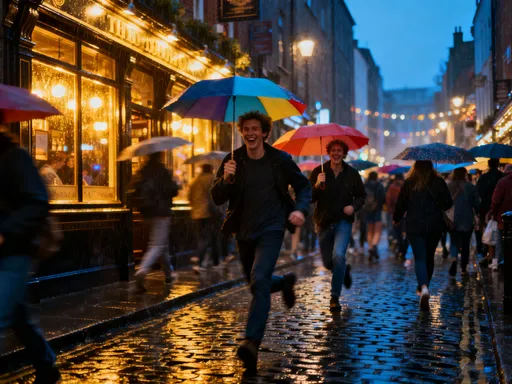
No journey into Sarajevo’s shopping culture is complete without a visit to Baščaršija, the historic bazaar that has served as the city’s commercial heart for over 500 years. Laid out in a web of narrow, cobblestone lanes, this district feels like stepping into another era. Wooden storefronts with overhanging eaves shelter artisans who still practice their trades much as they did in the 16th century. The scent of hot metal, beeswax, and roasting coffee fills the air, while the rhythmic tapping of hammers on copper provides a steady soundtrack to your wanderings.
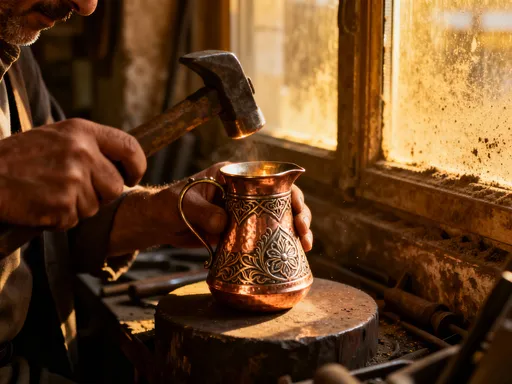
At the center of it all are the *dzeam* workshops—family-run coppersmiths whose ancestors forged items for Ottoman governors and local merchants alike. Inside these dimly lit spaces, artisans shape sheets of copper into teapots, coffee sets, and lanterns using hand tools and techniques unchanged for generations. Watching a craftsman bend and shape metal with precision and grace is a lesson in patience and mastery. Many welcome visitors to observe, and some even offer short demonstrations or allow guests to try their hand under guidance. These interactions are not performances—they are glimpses into a way of life.
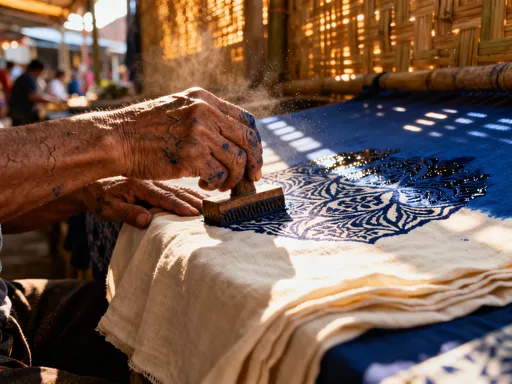
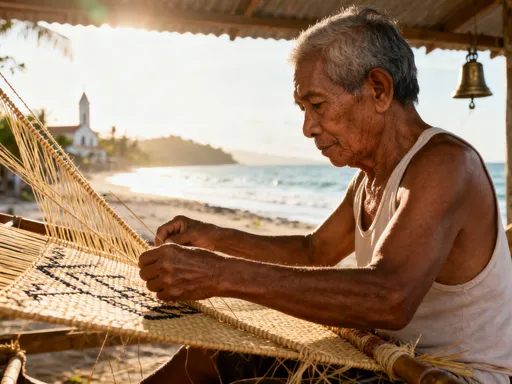
Equally captivating are the carpet sellers who unfurl handwoven kilims in rich, earthy tones. Each rug tells a story through its patterns—some symbolize protection, others fertility or prosperity. The dyes are often plant-based, derived from local herbs and roots, giving the colors a depth that synthetic pigments can’t replicate. These rugs are not merely decorative; they were traditionally made for homes, used during ceremonies, and passed down as family heirlooms. Today, purchasing one connects you to that legacy. Beyond textiles and metalwork, Baščaršija is also home to spice merchants, jewelers, and bookbinders—each stall a portal into a different facet of Bosnian culture.
What makes Baščaršija truly special is the human element. Shopkeepers don’t rush you. They invite you in, offer coffee, and engage in conversation. There’s no pressure to buy—only an openness to share. This hospitality transforms shopping from a transaction into a relationship. You leave not just with a bag of goods, but with a memory of connection. In a world where retail is increasingly impersonal, Baščaršija reminds us that commerce can still be warm, personal, and deeply human.
Off-the-Beaten-Path Workshops Worth Hunting Down
While Baščaršija offers a vibrant introduction to Sarajevo’s crafts, the city’s true treasures often lie beyond the main thoroughfares. In quiet courtyards and tucked-away alleys, master artisans keep nearly forgotten traditions alive. These are not souvenir shops, but working studios where craft is a vocation, not a performance. Visiting them requires a bit of effort—but the reward is an intimate, behind-the-scenes experience that few tourists ever encounter.
One such place is a small filigree workshop hidden in the Gazi Husrev-beg neighborhood. Here, a third-generation silversmith creates delicate jewelry using a technique that involves twisting fine silver threads into intricate floral and geometric patterns. The process is painstaking—each piece can take days to complete—and demands exceptional precision. The artisan, who speaks little English but communicates warmly through gesture and smile, allows visitors to watch and even try basic techniques under supervision. His tools are simple: tweezers, pliers, and a small torch. Yet from these, he produces works of astonishing beauty. Purchasing a piece here means owning something made with soul, not assembly lines.
Another hidden gem is a bookbinding atelier specializing in *sarma* leather binding, a method historically used for religious and scholarly texts. The craftsman, a retired teacher, took up the art in his fifties to preserve a dying tradition. His workshop is filled with aged leather, brass clasps, and hand-cut paper. He binds journals, Qur’ans, and notebooks using techniques that involve vegetable-tanned leather, hand-stitching, and gold tooling. Each book is unique, bearing the marks of its maker. He often shares the history behind each binding style, explaining how certain patterns were used in different regions of the Ottoman Empire. Visitors can commission custom notebooks or watch a demonstration of the binding process.
Access to these workshops is often arranged through local guesthouses, cultural centers, or walking tour guides. Some require advance notice, as the artisans work part-time and prioritize their craft over tourism. But the effort is worth it. These visits transform shopping into a form of cultural exchange. You’re not just a buyer—you’re a witness to tradition. And in supporting these artisans, you help ensure that their skills are not lost to time. In a world that often values speed and scale, these quiet studios are sanctuaries of slowness, care, and continuity.
The Senses Guide: What to Look, Smell, and Hear While Shopping
Shopping in Sarajevo is not a visual experience alone—it engages all five senses in a way few cities can match. The market is a living tapestry of sound, scent, texture, and color, where every sensation guides you toward deeper discovery. Letting your senses lead the way often reveals the most authentic finds, hidden in plain sight.
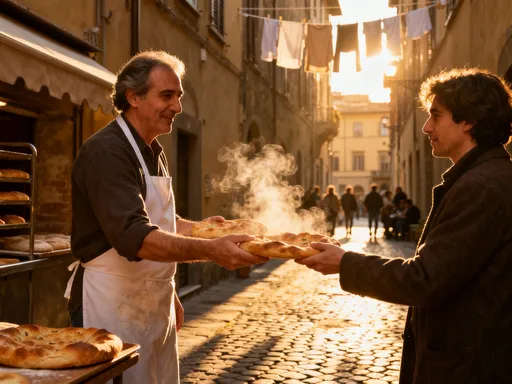
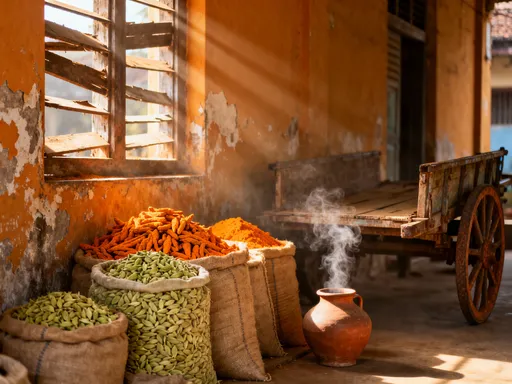
Start with smell. The air in Baščaršija carries a complex bouquet: cedar oil from woodcarvers’ stalls, the smoky sweetness of roasting coffee beans, the sharp tang of paprika and sumac from spice vendors. Follow the scent of warm bread, and you’ll likely find a small bakery selling *somun*, the soft, round bread used in *ćevapi* sandwiches. The aroma of leather—rich and earthy—drifts from workshops where artisans treat and shape hides using traditional methods. These smells are not incidental; they are markers of authenticity. If a stall draws a crowd of locals, chances are the goods are fresh, genuine, and deeply rooted in daily life.
Sound plays an equally important role. The rhythmic clang of hammers on copper echoes through alleyways, a constant reminder that these are working spaces, not staged displays. The murmur of conversation in Bosnian, the laughter of shopkeepers greeting regulars, the soft rustle of fabric being unfolded—all contribute to the market’s rhythm. Even the act of bartering has a musical quality: polite, unhurried, often punctuated by shared laughter. Listen for the places where music blends with commerce—street musicians playing sevdah, the soulful traditional music of Bosnia, near tea stalls or jewelry shops. These are often the spots where locals linger, making them ideal for discovering lesser-known crafts.
Touch is another vital guide. Run your fingers over a handwoven kilim—feel the slight variation in the weave, the thickness of the wool. Pick up a copper lantern and notice its weight, the smoothness of the hammered surface. These tactile qualities distinguish handmade items from mass-produced imitations. Even the paper in hand-bound notebooks has a unique texture, often made from recycled cotton or linen. When you engage physically with an object, you form a connection that goes beyond aesthetics. You begin to understand the labor, the time, the intention behind it. In Sarajevo, the best purchases are often the ones you feel before you see.
How to Shop Like a Local (Without Overpaying)
To truly appreciate Sarajevo’s markets, it helps to adopt the local rhythm—one of patience, respect, and relationship. Shopping here is not about speed or efficiency. It’s a social act, often beginning with a cup of coffee and a conversation. Many artisans will invite you into their workshop for a *džezva* brew, a strong, cardamom-scented coffee served in small cups. Accepting this gesture opens the door to trust and often leads to better prices, not through haggling, but through mutual respect.
Haggling does exist, but it’s not aggressive. It’s a gentle back-and-forth, more about establishing rapport than winning a deal. A smile, a compliment on the craftsmanship, and a willingness to learn go further than silence or insistence on a discount. Use simple Bosnian phrases like *“Koliko košta?”* (How much?) or *“Lijepo je”* (It’s beautiful) to show appreciation. These small efforts are often met with warmth and sometimes even a story about the item’s origin.
Location matters. Shops positioned at the main entrances of Baščaršija or near major landmarks often cater to tourists and may charge higher prices. Walk deeper into the side alleys, where family-run workshops and smaller stalls offer better value and more unique items. These hidden spots are where locals shop, and the prices reflect that. Cash is still the preferred payment method, especially in smaller studios, so carry enough in Bosnian convertible marks (BAM). Credit cards are accepted in larger shops, but not everywhere.
Timing also makes a difference. Visit in the morning, when artisans are just opening their workshops, or late afternoon, when the light softens and the crowds thin. Avoid midday, when tour groups flood the main lanes. If you’re serious about a purchase, ask if the artisan can set the item aside while you continue exploring. Many are happy to do so, especially if they sense genuine interest. Above all, resist the urge to treat shopping as a checklist. Let yourself wander, observe, and connect. The best finds often come when you’re not looking.
What’s Worth Buying (and What to Skip)
With so much to choose from, it helps to focus on items that truly reflect Sarajevo’s cultural identity. Prioritize goods that are handmade, locally sourced, and rooted in tradition. Copperware remains one of the city’s most iconic crafts—especially coffee sets, lanterns, and serving trays. These pieces are not only beautiful but functional, designed to be used daily. Look for items with visible hammer marks and hand-engraved details, signs of authentic craftsmanship.
Woolen goods are another excellent choice. The traditional *šajkača* hat, once worn by soldiers and shepherds, is now a symbol of national pride. Hand-knitted scarves, gloves, and socks made from local sheep’s wool are both warm and durable, perfect for colder months. Similarly, hand-bound notebooks and journals with leather covers make meaningful gifts or personal keepsakes. Many are made using recycled paper and natural dyes, adding to their eco-friendly appeal.
For food lovers, the Trščina Market offers a treasure trove of local flavors. Smoked paprika, dried herbs, honey from mountain hives, and *rakija* (a fruit brandy) are all excellent choices. These items are not only delicious but tell a story of Bosnia’s agricultural traditions. Buy from vendors who grow or produce their goods—many are farmers from nearby villages who come to the city weekly.
On the other hand, avoid plastic trinkets labeled “Souvenir of Bosnia” in English only. These are often imported from elsewhere and lack cultural authenticity. Items that are lightweight, overly uniform, or mass-produced in look and feel are usually not made locally. Steer clear of anything that claims to be “antique” but is priced suspiciously low—genuine antiques are rare and valuable. Instead, focus on pieces that feel substantial, imperfect, and alive with the touch of the maker. These are the ones that will carry meaning long after you return home.
From Purchase to Memory: Making Your Finds Last
The true value of what you buy in Sarajevo isn’t measured in price, but in memory. A copper lantern isn’t just a decoration—it’s a vessel of light, crafted by hands that have shaped metal for decades. A handwoven kilim isn’t just a rug—it’s a tapestry of stories, dyed with plants from Bosnian soil. To honor these objects, treat them not as souvenirs, but as heirlooms in the making.
One way to deepen their meaning is to document their origin. Keep a small notebook or digital file with the artisan’s name, workshop location, and a photo of the item in its original setting. Some artisans will even write a note or sign their work upon request. These details transform a simple object into a personal artifact, rich with context and connection.
For fragile or bulky items, consider shipping options. Many hotels and guesthouses partner with local couriers who can securely package and send your purchases home. This is especially useful for kilims, copperware, or large ceramics. If you’re carrying items yourself, wrap them carefully—cotton cloth or tissue paper works well for delicate surfaces. Avoid plastic, which can trap moisture and damage natural materials over time.
Once home, display your finds where they can be seen and used. Hang the kilim on a wall where sunlight enhances its colors. Use the copper coffee set for special occasions. Fill the hand-bound journal with your thoughts, recipes, or sketches. These objects were made to be lived with, not locked in display cases. When friends ask about them, share the stories—the coppersmith’s hands, the scent of spices in the market, the quiet pride in a craftsman’s eyes. In doing so, you keep the spirit of Sarajevo alive, far beyond the city’s borders.
Conclusion
Shopping in Sarajevo isn’t transactional—it’s transformational. Every purchase, every interaction, pulls you deeper into the city’s living culture. You don’t leave with just bags of goods, but with pieces of a story that’s still being made. The artisans you meet, the scents you carry, the sounds that linger in your memory—these become part of your own narrative. In a world where so much is fleeting, Sarajevo offers something enduring: authenticity, connection, and craft. So go slow, look close, and let the city guide your hands. The best souvenirs aren’t found. They find you.