You Won’t Believe These Hidden Trails in Luxor’s Desert
Most people come to Luxor for the temples and tombs, but I stumbled upon something few travelers see — wild, untouched desert trails that take you deep into Egypt’s raw natural beauty. Hiking here isn’t just about movement; it’s a journey through silence, sun-sculpted cliffs, and ancient geology. If you’ve ever wanted to escape the crowds and feel the Sahara beneath your boots, Luxor’s natural areas hold a few powerful surprises. This is adventure with soul, and I can’t wait to show you how.
Why Hiking in Luxor Defies Expectations
Luxor is globally celebrated as an open-air museum of ancient wonders—home to Karnak, Luxor Temple, the Valley of the Kings, and the Colossi of Memnon. Yet beyond these iconic monuments lies a landscape that remains largely unseen by the average visitor: vast stretches of untouched desert terrain, shaped by time, wind, and tectonic forces. While most itineraries focus solely on archaeological exploration, those willing to step off the beaten path discover that Luxor offers far more than stone carvings and hieroglyphs. The region sits at the edge of two great desert expanses—the Eastern Desert stretching toward the Red Sea and the Western Desert merging into the heart of the Sahara. These contrasting zones create a diverse topography perfect for hiking, from rocky wadis to elevated plateaus with sweeping views.
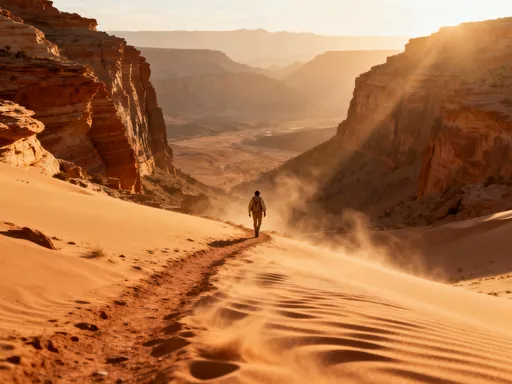
The Eastern Desert near Luxor features rugged valleys carved by rare but powerful flash floods, revealing layers of sedimentary rock that tell stories millions of years old. Though not as frequently visited as the temples, this area supports a surprising range of life and offers solitude unmatched in other parts of the city. The Western Desert, meanwhile, presents a more arid and expansive environment, where limestone formations rise abruptly from flat plains, casting long shadows in the late afternoon light. Trails here wind through natural corridors formed by erosion, inviting hikers into quiet spaces where sound travels far and the horizon seems endless.
One traveler, arriving with a tightly scheduled plan centered around temple visits, found herself unexpectedly drawn to the quiet spaces between the monuments. After visiting the Valley of the Queens, she followed a faint footpath behind the necropolis, leading up into the Theban Hills. What began as a short detour turned into a two-hour hike across sun-warmed stone, culminating in a breathtaking view over the Nile Valley. In that moment, surrounded by silence and solitude, she realized that Luxor’s spirit wasn’t confined to its tombs—it lived also in the stillness of its desert landscape. This quiet revelation echoes the experience of many who venture beyond the curated pathways of mainstream tourism.
Top Natural Areas for Hiking Near Luxor
For those seeking authentic desert hiking experiences near Luxor, several natural zones stand out for their accessibility, scenic value, and geological interest. One such area is Wadi El Gemal, located slightly south of the city but within reach for full-day excursions. Known for its rugged terrain and dramatic elevation changes, this wadi—meaning “valley of the camel” in Arabic—features narrow passages flanked by towering rock walls, interspersed with open stretches ideal for walking. Though more commonly associated with the Red Sea Governorate, a lesser-known extension of this geological system reaches into the desert fringes near Luxor, offering experienced hikers a chance to explore remote canyons without encountering large groups.
Another compelling destination lies in the network of trails leading into the Theban Hills on Luxor’s West Bank. These low mountain ranges form a natural barrier between the cultivated Nile floodplain and the deeper desert. From elevated vantage points, hikers are rewarded with panoramic views of the river, the city, and the surrounding desert expanse. Some routes follow ancient animal tracks or old trade paths used by local Bedouin communities for generations. These trails, though not formally marked, are well-trodden and safe when accessed with guidance. They offer a unique opportunity to walk where few tourists go, observing the land much as it has appeared for centuries.
Further exploration reveals isolated desert plateaus accessible via guided treks from the West Bank. These high-ground areas provide expansive sightlines and cooler breezes, especially during early morning hikes. While specific trail names are rarely used—locals often refer to destinations by landmarks or directional cues—knowledgeable guides can lead visitors safely through the terrain. One popular route begins near the edge of the agricultural zone and ascends gradually into rocky outcrops, where fossilized marine remains can sometimes be spotted embedded in the stone. Such discoveries underscore the region’s complex geological past, when this now-arid land was once covered by shallow seas.
Best Time to Hike and What to Expect
Timing is essential when planning a desert hike near Luxor. The most favorable conditions occur between October and April, when daytime temperatures range from mild to warm—typically between 20°C and 28°C (68°F to 82°F)—and nighttime temperatures drop comfortably. These months allow for extended outdoor activity without the extreme heat that defines the summer season. From May through September, temperatures regularly exceed 40°C (104°F), making prolonged exposure to direct sunlight dangerous, even for experienced hikers. Attempting strenuous trails during peak summer months increases the risk of heat exhaustion and dehydration, and should be avoided unless hiking occurs very early in the morning and is strictly limited in duration.
Even during the cooler season, sun exposure remains intense due to the region’s low humidity and minimal cloud cover. UV radiation levels are high year-round, so hikers must prepare accordingly. Trails are generally composed of compacted sand, gravel, and exposed bedrock, with few shaded areas. Footing can vary—some sections are smooth and well-packed, while others may include loose scree or uneven rock formations requiring careful navigation. Weather in the desert is predictable in its extremes: clear skies dominate, but sudden wind gusts or dust storms can occur, particularly in spring. These events, while brief, can reduce visibility and make breathing uncomfortable, so carrying a lightweight scarf or face covering is advisable.
Physical preparation is another key factor. While many trails near Luxor do not require technical climbing skills, they often involve sustained walking over uneven ground, with elevation gains that can challenge unconditioned hikers. It is recommended to build endurance gradually before attempting longer treks. Most guided hikes last between two and five hours, depending on the group’s pace and chosen route. First-time visitors are encouraged to start with shorter, moderate trails before progressing to more remote or strenuous paths. With proper planning, hiking in Luxor’s desert becomes not only safe but deeply rewarding—a chance to engage with nature in one of the world’s most historically rich regions.
How to Access These Trails Legally and Safely
Accessing Luxor’s desert trails requires adherence to local regulations and safety protocols. Many of the natural areas surrounding the city fall within protected zones managed by Egypt’s Environmental Affairs Agency or linked to archaeological preservation efforts. As such, independent hiking—especially in more remote or ecologically sensitive areas—is generally not permitted without authorization. To ensure compliance with the law and personal safety, all hikers are strongly advised to travel with a licensed local guide. These professionals are trained in desert navigation, emergency response, and cultural awareness, and they possess the necessary permits to enter restricted regions.
Hiring a guide does more than fulfill legal requirements—it enhances the overall experience. Local guides bring deep knowledge of the terrain, including safe passage routes, historical context, and environmental insights that enrich the journey. They can identify subtle trail markers invisible to untrained eyes and adjust the route based on weather, group ability, or unexpected conditions. Most reputable tour operators in Luxor offer guided desert hikes as part of their eco-tourism or adventure packages. Hotels, particularly those catering to cultural and experiential travelers, often maintain partnerships with trusted guiding services and can assist with arrangements. When selecting a provider, look for companies that emphasize sustainability, employ certified guides, and maintain a record of responsible tourism practices.
Safety extends beyond having a guide. Staying on designated or permitted paths is critical to preserving fragile desert ecosystems and avoiding hazardous terrain. Off-trail hiking can damage delicate plant life, disturb wildlife, and increase the risk of getting lost. In some areas, unmarked routes may lead to unstable ground or proximity to protected archaeological sites where access is prohibited. Guides help prevent such issues by following approved itineraries and educating visitors about conservation. By respecting these boundaries, hikers contribute to the long-term protection of Luxor’s natural heritage while ensuring their own well-being.
Gear and Packing Essentials for Desert Hiking
Proper gear is fundamental to a safe and enjoyable desert hiking experience near Luxor. The environment demands preparation for intense sun, variable temperatures, and limited access to supplies. Clothing should be lightweight, breathable, and designed to protect against UV exposure. Long-sleeved shirts and loose-fitting pants made from moisture-wicking fabric help regulate body temperature and shield skin from direct sunlight. A wide-brimmed sun hat or desert-style cap provides essential protection for the face, neck, and shoulders. Sunglasses with UV protection are equally important, reducing glare from sand and rock surfaces.
Footwear must be sturdy and well-broken in. Hiking boots or trail shoes with strong ankle support and aggressive tread are ideal for navigating rocky and uneven terrain. Sandals, while comfortable in urban settings, are unsuitable for desert trails due to the risk of injury from sharp stones or hot surfaces. Carrying a small backpack is recommended to hold water, snacks, and personal items. Inside, pack a basic first-aid kit, a map or GPS device (if available), and a fully charged mobile phone—though signal may be limited in remote areas. A compact whistle and emergency blanket can also be included for added safety.
Hydration is the most critical concern. Experts recommend carrying a minimum of three liters of water per person for a half-day hike, with additional amounts needed in warmer conditions. Using a hydration bladder or insulated bottle helps keep water cool and accessible. Snacks should be high in energy and easy to carry—nuts, dried fruit, energy bars, and whole-grain crackers are excellent choices. Avoid salty foods that may increase thirst. To protect electronics and supplies from sand and heat, dry bags or padded cases are useful. Finally, apply broad-spectrum sunscreen before departure and reapply as needed, especially after sweating. With thoughtful preparation, hikers can focus on the beauty of the landscape without compromising comfort or safety.
The Unique Beauty of Luxor’s Desert Ecosystem
Beneath its seemingly barren surface, Luxor’s desert hosts a resilient and quietly vibrant ecosystem shaped by millennia of adaptation. The plant life here is sparse but purposeful—each species evolved to survive with minimal water and extreme temperatures. Acacia trees, with their deep root systems and feathery foliage, are among the most recognizable. They often cluster near dry riverbeds where moisture collects after rare rains. Other hardy plants include desert grasses, thorny shrubs, and succulents that store water in their tissues. These plants play a crucial role in stabilizing soil and providing shelter for small animals, forming the foundation of a delicate ecological balance.
Wildlife in the region is elusive but present. The Nubian ibex, a species of wild goat with curved horns, inhabits rocky slopes and cliffs, navigating steep terrain with remarkable agility. Though sightings are rare, their tracks and droppings can sometimes be found along remote trails. Desert foxes, particularly the pale-colored Rüppell’s fox, emerge at dawn and dusk to hunt insects and small rodents. Birds of prey such as eagles, falcons, and vultures soar above the canyons, using thermal updrafts to scan the land below. Their presence indicates a functioning food chain and healthy ecosystem. Reptiles, including lizards and snakes adapted to the heat, also thrive here, though they typically avoid human contact.
The geology of Luxor’s desert is equally fascinating. Wind and water have sculpted the rock into natural arches, alcoves, and towering fins over millions of years. Layers of sandstone, limestone, and shale reveal a timeline of environmental change, from ancient seabeds to desert dunes. Fossilized shells and coral fragments embedded in the stone offer tangible evidence of a time when this region lay beneath a warm ocean. Erosion continues today, slowly reshaping the landscape with each passing season. For hikers, these features create a sense of timelessness—a connection to forces far greater than human history. Walking through these formations is like moving through a living museum of Earth’s evolution.
Preserving the Wild Side of Luxor
As interest in desert hiking grows, so does the responsibility to protect these fragile environments. The principle of Leave No Trace is especially vital in arid ecosystems, where recovery from damage can take decades or longer. Simple actions—such as packing out all trash, avoiding the picking of plants, and refraining from carving or marking rocks—help preserve the integrity of the landscape. Even seemingly minor impacts, like straying from the trail or disturbing a patch of lichen, can have lasting consequences in an environment where growth is slow and resources are scarce.
Responsible tourism can play a positive role in conservation. When visitors choose eco-conscious operators, hire local guides, and respect regulations, they contribute to sustainable economic models that value preservation over exploitation. Revenue from guided hikes can support community-led conservation initiatives and environmental education programs. In some areas, local Bedouin communities have begun managing small-scale ecotourism ventures, offering authentic experiences while protecting ancestral lands. Supporting these efforts ensures that tourism benefits both people and nature.
Hiking in Luxor is more than physical activity—it is an invitation to slow down, observe, and reflect. In a world filled with noise and constant movement, the desert offers a rare gift: stillness. Each step across the sand, each moment gazing at a distant ridge, becomes a form of quiet communion with the Earth. The trails may be unmarked and the destinations unnamed, but their value is profound. They remind us that wonder exists not only in grand monuments but also in the untouched corners of the natural world. By treading lightly and with intention, we honor both the land and the legacy of those who have walked it before us.
Luxor’s true magic isn’t only in its monuments—it’s etched into the quiet canyons and open dunes waiting just beyond the tourist path. By choosing to hike, we don’t just see Egypt’s landscape; we feel it. With care and curiosity, these trails can remain wild for generations. The desert calls—will you answer?