You Won’t Believe These Hidden Art Gems in Gyeongju
Gyeongju, once the heart of ancient Silla, is more than just temples and tombs. I was blown away by its thriving art spaces—where traditional brushstrokes meet modern installations. Wandering through quiet alleys, I stumbled upon galleries tucked beside centuries-old pagodas. This city doesn’t just preserve history; it reimagines it. If you think Korean art stops at Seoul’s big museums, think again. Gyeongju’s creative pulse is real, raw, and totally unexpected.
Why Gyeongju is Becoming Korea’s Quiet Art Capital
Gyeongju has long been revered as a cradle of Korean civilization, but in recent years, it has quietly emerged as a sanctuary for artists seeking inspiration rooted in authenticity. Unlike the fast-paced, trend-driven art scenes of Seoul or Busan, Gyeongju offers a different rhythm—one shaped by centuries of poetic tradition, natural serenity, and architectural elegance. The city’s deep cultural roots provide fertile ground for contemporary art that does not reject the past but converses with it. This dialogue between old and new has attracted a growing number of painters, ceramicists, and installation artists who find in Gyeongju a rare balance between historical depth and creative freedom.
Local government initiatives have played a supportive role in nurturing this evolution. Cultural grants, artist-in-residence programs, and community-based exhibitions have encouraged both emerging and established creators to settle here. These programs are not flashy or commercialized; instead, they emphasize sustainability, cultural continuity, and quiet innovation. The result is an art scene that feels organic rather than imposed—a reflection of the city’s character. Art spaces in Gyeongju are not confined to formal institutions; they flourish in repurposed hanok homes, garden courtyards, and even former storage buildings near historic sites.
What makes Gyeongju especially appealing to artists is its atmosphere of contemplation. The city moves at a gentle pace, allowing space for reflection and deep creative work. The presence of ancient ruins, serene landscapes, and seasonal festivals rooted in Silla traditions offers a constant source of visual and spiritual inspiration. For many artists, living and working here is not just a career choice but a lifestyle—one that values craftsmanship, mindfulness, and connection to heritage. This subtle yet powerful cultural energy is what transforms Gyeongju from a historical destination into a living canvas of artistic expression.
Bulguksa Temple & the Artistry of Sacred Spaces
Bulguksa Temple, a UNESCO World Heritage Site, stands as one of Korea’s most revered spiritual and artistic landmarks. More than a place of worship, it is a masterpiece of design where every stone, stairway, and statue embodies a profound sense of harmony. Built during the golden age of the Silla Dynasty, the temple complex reflects an intricate understanding of balance, proportion, and symbolic meaning. Its elevated terraces, connected by elegant stone bridges, lead visitors on a journey that is both physical and meditative. The precision of its layout—aligned with celestial patterns and natural contours—reveals a sophisticated aesthetic philosophy that continues to influence Korean art today.
The temple’s pagodas, such as Dabotap and Seokgatap, are not merely religious symbols but works of sculptural brilliance. Carved from granite with meticulous detail, they represent different aspects of Buddhist cosmology through form and ornamentation. The lotus motifs, guardian figures, and flowing lines speak to a tradition where art and spirituality are inseparable. Even the placement of stone lanterns along the pathways follows a deliberate rhythm, creating a visual cadence that guides the visitor’s gaze and steps. These elements do not shout for attention; they invite quiet observation, rewarding those who pause to look closely.
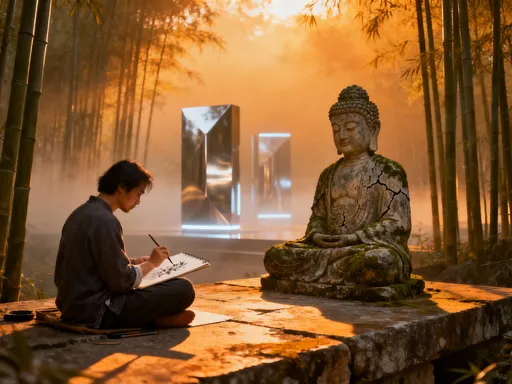
Modern artists in Gyeongju often cite Bulguksa as a source of inspiration, not because they seek to replicate its forms, but because they are drawn to its underlying principles—simplicity, intentionality, and reverence for nature. Some contemporary sculptors study the temple’s stone craftsmanship to inform their own work, while others create abstract pieces that echo its sense of vertical ascent and inner stillness. Nearby studios occasionally host exhibitions that respond directly to the temple’s energy, using light, shadow, and material to evoke a similar sense of awe. In this way, Bulguksa is not a relic frozen in time but a living influence, quietly shaping the city’s artistic identity.
Walking Through History and Canvas: The Gyeongju Historic Areas as Living Galleries
Gyeongju’s historic zones—Cheomseongdae, Anapji Pond, and the sprawling burial mounds—are not merely archaeological sites; they function as open-air galleries where nature, history, and art converge. These park-like spaces are carefully maintained yet feel untouched by commercialization, allowing visitors to experience them as evolving works of art. The way sunlight filters through ancient pine trees onto stone tombs, or how the reflection of pavilions shimmers on Anapji’s still waters, transforms each visit into a unique visual experience. Seasonal changes further enhance this effect: cherry blossoms in spring frame the dolmens like delicate brushstrokes, while golden ginkgo leaves in autumn drape the pathways in warm hues.
Cheomseongdae, the oldest surviving astronomical observatory in East Asia, stands as a quiet monument to scientific and artistic vision. Its cylindrical stone structure, built with precisely cut granite blocks, is both functional and poetic. Visitors often describe its silhouette against the dawn sky as resembling a brushstroke on silk—a fusion of engineering and aesthetic grace. Nearby, the Tumuli Park, home to dozens of royal burial mounds, evokes a sense of timelessness. The grass-covered domes, scattered across rolling hills, create a landscape that feels both sacred and serene, much like an ink painting where form emerges from negative space.
What makes these areas truly dynamic is the occasional integration of temporary art installations. Curated by local cultural organizations, these projects introduce modern elements—such as soundscapes, light projections, or minimalist sculptures—into the historic landscape. A recent example included translucent fabric banners suspended between trees near Anapji Pond, their colors shifting with the daylight to mirror the changing seasons. These interventions are subtle, never overwhelming the site’s integrity, but they invite viewers to see the familiar in new ways. In this context, the entire city becomes a canvas, where every path, garden, and ruin contributes to an ever-changing exhibition of beauty and meaning.
Hidden Galleries and Artist Studios Off the Beaten Path
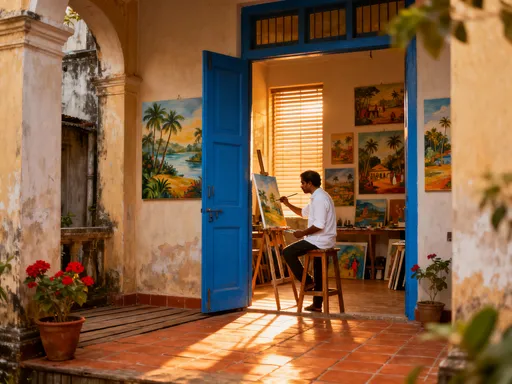
Beyond the well-trodden tourist routes, Gyeongju harbors a network of intimate galleries and working studios that reveal the city’s creative heartbeat. Tucked into quiet residential alleys near Donggung Palace or nestled beside traditional tea houses, these spaces are often unmarked, discovered only by those who wander with curiosity. Many are housed in restored hanok buildings, where wooden beams, paper doors, and courtyard gardens create a serene backdrop for artistic display. Unlike commercial galleries, these venues prioritize authenticity over spectacle, offering a chance to engage with art in a personal, contemplative setting.
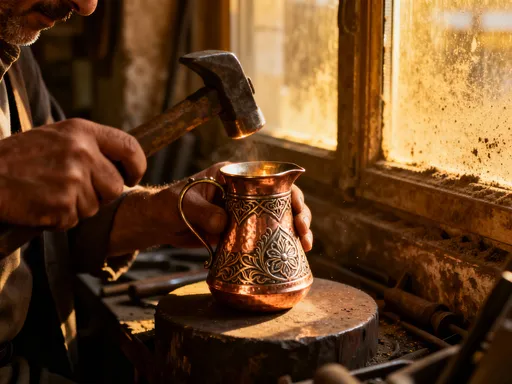
One such space, located in the older district near Woljeonggyo Bridge, is run by a third-generation ceramicist who blends Silla-era techniques with contemporary forms. Her studio displays delicate tea bowls, each shaped by hand and fired using traditional wood kilns. The glazes—ash-gray, deep celadon, and soft rust—echo the colors of Gyeongju’s landscapes. Visitors are welcome to observe her at work, and on certain afternoons, she offers short demonstrations on brushwork and glaze application. These moments of connection—between artist, craft, and observer—lie at the heart of Gyeongju’s art culture.
Other studios specialize in ink painting, calligraphy, and mixed-media installations. A small gallery near Namsan Road features rotating exhibitions by local artists whose work explores themes of memory, nature, and impermanence. One recent show included a series of ink drawings inspired by ancient tomb murals, reinterpreted through abstract line and wash. What stands out is the accessibility of these spaces—many do not charge admission, and artists often greet visitors personally, sharing stories behind their pieces. This openness fosters a sense of community and mutual respect, reinforcing the idea that art in Gyeongju is not a distant spectacle but a shared, living practice.
The Rise of Cultural Complexes: Gyeongju National Museum and Local Art Hubs
The Gyeongju National Museum plays a pivotal role in bridging the city’s past and present. While it is best known for housing artifacts from the Silla Dynasty—including crowns, pottery, and Buddhist relics—it has increasingly embraced its role as a dynamic cultural venue. Beyond permanent collections, the museum hosts rotating contemporary exhibitions that invite dialogue between ancient heritage and modern expression. Recent shows have featured textile art inspired by Silla patterns, photographic essays on rural life in Gyeongju, and digital installations that reinterpret temple architecture through light and motion. These exhibitions are thoughtfully curated, ensuring that innovation respects tradition rather than overshadowing it.
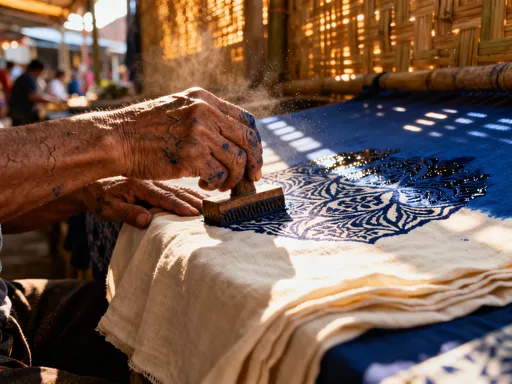
The museum also collaborates with living artists, offering residencies and commissioning site-specific works. One notable project involved a sound artist who recorded the ambient noises of Gyeongju—temple bells, rustling leaves, flowing streams—and composed a multi-channel installation played in a quiet courtyard. Visitors sat on wooden benches, eyes closed, experiencing the city not through sight but through sound, a reminder that art can engage all the senses. Educational programs further deepen engagement, with workshops on traditional knot-making, paper crafts, and natural dyeing techniques, often led by local artisans.
Adjacent to the museum and scattered throughout the city, smaller cultural hubs amplify this mission. Spaces like the Gyeongju Cultural Arts Center and community-run art collectives host regular events—calligraphy demonstrations, poetry readings, and live painting sessions—that invite public participation. These venues are not exclusive; they welcome families, seniors, and tourists alike, fostering intergenerational exchange. By integrating art into daily life, these centers ensure that creativity remains accessible and rooted in community. They reflect a broader vision: that culture is not something to be preserved behind glass, but something to be lived, shared, and continually reimagined.
Art-Inspired Eats and Creative Cafés with a View
In Gyeongju, the experience of art extends beyond galleries into the realm of dining and relaxation. A growing number of cafés and tea houses have embraced design as an essential part of their identity, transforming meals and moments of rest into aesthetic experiences. These spaces are not merely places to drink coffee; they are curated environments where every detail—from tableware to lighting to garden layout—contributes to a sense of harmony. Many are run by artists or designers who view hospitality as another form of creative expression.
One popular café, nestled in a quiet neighborhood near the east wall of the ancient city, is housed in a restored hanok with a koi-filled courtyard. The owner, a former textile designer, serves traditional barley tea in hand-thrown ceramic cups, each unique in shape and glaze. The walls are adorned with rotating exhibitions of local ink paintings, and small sculptures—a stone rabbit, a bronze bell—sit subtly among potted plants. Guests often linger for hours, reading, sketching, or simply watching the light shift across the wooden floors. The atmosphere is one of gentle inspiration, where creativity feels within reach.
Another standout is a garden café near Anapji Pond, known for its mural-covered walls and seasonal menu inspired by Silla-era ingredients. The murals, painted by a collective of local artists, depict mythological scenes in soft, earthy tones, blending seamlessly with the surrounding foliage. The menu features dishes like millet pancakes, persimmon tea, and wild herb rice cakes—simple yet flavorful foods that echo the region’s agricultural heritage. Even the napkins are printed with traditional patterns, and the staff wear aprons dyed with natural pigments. These thoughtful touches elevate the experience from mere consumption to mindful appreciation, aligning with Gyeongju’s ethos of slow, intentional living.
How to Experience Gyeongju’s Art Scene Like a Local
To truly appreciate Gyeongju’s art scene, it is best to slow down and embrace the rhythm of the city. Unlike destinations designed for quick sightseeing, Gyeongju rewards patience and presence. The ideal way to explore is on foot or by bicycle, allowing time to notice subtle details—a brushstroke on a gate, a sculpture hidden in a garden, a calligraphy scroll in a neighborhood shop. Many of the most meaningful artistic encounters happen by chance, in quiet corners far from guidebook highlights.
Timing matters. Spring and autumn offer the most visually rich experiences, with mild weather and seasonal beauty enhancing both historic sites and art installations. Early mornings and late afternoons provide the best light for photography and contemplation, when shadows lengthen and the city takes on a golden hue. Visitors should also check local event listings at the tourist information center or museum, where flyers and digital boards announce gallery openings, artist talks, and seasonal festivals. The Gyeongju Cultural Festival in October, for example, features open studio tours, live performances, and pop-up exhibitions across the city.
When visiting galleries or studios, a respectful approach goes a long way. Many spaces are small and personal, so speaking quietly, removing shoes when requested, and asking before taking photographs are simple courtesies that show appreciation. Engaging with artists, when possible, can deepen understanding—many welcome questions and enjoy sharing their process. Above all, the goal is not to check off a list of attractions but to immerse oneself in a culture where art is woven into the fabric of everyday life. By traveling slowly, observing mindfully, and connecting with the community, visitors can experience Gyeongju not just as tourists, but as temporary participants in its ongoing creative story.
Gyeongju’s art spaces aren’t just about viewing—they invite participation in a living cultural dialogue. From ancient stone carvings to quiet studio corners humming with creativity, the city proves that heritage doesn’t have to be frozen in time. It can evolve, inspire, and surprise. For travelers seeking beauty with depth, Gyeongju offers not just sights, but soul.