What Nobody Tells You About Dublin’s Festival Scene
Dublin’s festivals burst with energy—live music spills onto cobbled streets, theaters light up with bold performances, and the buzz is contagious. But behind the charm, tourists often trip over hidden frustrations: overcrowded venues, confusing schedules, and overpriced eats. I’ve been there—excited, then overwhelmed. This city’s magic is real, but without smart planning, the experience can fade fast. Let’s talk about what *actually* works when diving into Dublin’s festival life.
The Allure of Dublin’s Festival Culture
Dublin thrives on celebration. Its festival culture is not just a seasonal highlight—it is a living expression of the city’s artistic heartbeat and communal pride. From the internationally acclaimed Dublin Theatre Festival to the exuberant street parades of St. Patrick’s Day, the city transforms into a stage where creativity and tradition collide in vibrant harmony. These events draw thousands each year, both from Ireland and abroad, eager to witness performances that blend storytelling, music, dance, and visual art in ways only Dublin can deliver.
What sets Dublin’s festivals apart is their deep-rooted connection to Irish identity. The Dublin Fringe Festival, for instance, champions experimental and emerging artists, often showcasing works in unconventional spaces like converted warehouses or historic buildings. Meanwhile, the Bram Stoker Festival in October honors the author’s legacy with atmospheric events that blend gothic storytelling with immersive theater—offering a unique take on literary heritage. These festivals are more than entertainment; they are cultural milestones that reflect the city’s resilience, wit, and love for the dramatic.
Locals participate with genuine enthusiasm, whether volunteering at events, attending neighborhood performances, or simply enjoying the city’s transformed streetscapes. This sense of shared ownership makes the atmosphere feel inclusive, even for first-time visitors. The energy is palpable during the summer months when outdoor stages pop up in parks and plazas, and spontaneous music sessions break out in pubs. Yet, this very popularity also brings challenges that can catch the unprepared off guard.
Overcrowding: When Fun Turns Frustrating
One of the most common surprises for festival-goers is the sheer volume of people. What begins as an exciting immersion in Dublin’s cultural scene can quickly become a test of patience when venues overflow and sidewalks teem with crowds. Popular events, especially during peak times like St. Patrick’s Festival or the final week of the Theatre Festival, often reach capacity well before showtime. Long queues form outside performance spaces, and even those with tickets may face delays entering due to security checks or limited access points.
The impact on enjoyment is real. A family hoping to enjoy a family-friendly puppet show might find themselves standing at the back with obstructed views. Couples planning a romantic evening at a jazz concert could end up squeezed between strangers in a packed hall. Outdoor events, while free and accessible, are particularly vulnerable to overcrowding. Temple Bar, a frequent festival hub, can become so congested that moving between stages feels more like navigating a human maze than enjoying an evening out.
To manage this, timing is everything. Attending mid-week performances or opting for matinee shows can significantly reduce crowd pressure. Many festivals release weekday slots with slightly lower demand, offering the same quality of experience with far greater comfort. Early arrival—ideally 45 minutes before start time—can secure better viewing positions and reduce stress. Additionally, considering fringe or lesser-known events often means more breathing room and a chance to discover hidden gems without the rush.
Ticketing Traps and Hidden Costs
Securing tickets should be the easy part, but in Dublin’s festival landscape, it often becomes a puzzle of pricing tiers, booking fees, and last-minute sellouts. Many visitors are surprised to find that a €25 ticket online ends up costing closer to €40 after service charges, processing fees, and mandatory seat selection add-ons. These hidden costs can quickly inflate a modest budget, especially for families or groups attending multiple events.
Sold-out notices are another common frustration. High-profile shows or headline acts frequently sell out weeks in advance, leaving spontaneous travelers disappointed. Third-party resellers may offer access, but at exorbitant prices and without the security of official channels. Some resale platforms operate without verified seller protections, increasing the risk of scams or invalid tickets. Even when tickets are obtained, unclear refund policies can leave buyers stranded if plans change unexpectedly.
The solution lies in proactive planning and trusted sources. Always purchase through official festival websites or authorized vendors. Signing up for festival newsletters often grants early access to presales or exclusive discount codes. For those planning a full festival experience, multi-event passes—such as the Dublin Theatre Festival’s “Festival Passport”—can offer substantial savings and priority booking. These passes not only reduce per-event costs but also streamline the planning process, allowing attendees to curate their schedules in advance with confidence.
Navigating Schedules and Venues
Dublin’s festivals are rarely confined to a single location. Events unfold across theaters, galleries, public parks, and historic landmarks, often scattered throughout the city center and nearby neighborhoods. While this decentralization adds charm and encourages exploration, it also introduces logistical complexity. A morning poetry reading in Merrion Square might be followed by an evening dance performance in Smithfield, requiring careful coordination of time, transport, and energy levels.
The official festival programs, while comprehensive, can be overwhelming. Dense timetables with overlapping events make it difficult to choose without prior research. Without a clear plan, visitors risk missing shows, arriving late, or spending more time navigating than enjoying. Public transport helps, but during peak festival days, buses and trams can be delayed due to road closures or increased foot traffic. Walking is often the best option, but without proper footwear or weather preparation, even short distances become tiring.
Smart navigation starts with digital tools. Most major festivals offer mobile apps with real-time updates, interactive maps, and personalized schedules. Downloading these in advance allows users to set reminders, calculate travel time between venues, and receive alerts about last-minute changes. Pairing the app with Google Maps or Citymapper enhances accuracy, especially when routes shift due to temporary closures. For those less comfortable with technology, picking up a physical program at the festival’s information desk can provide a tangible overview. Staff at these desks are often knowledgeable volunteers who can offer route suggestions and insider tips on the least crowded paths.
Missing the Local Flavor Amid Tourist Hype
While headline acts and official programs draw big crowds, some of the most authentic experiences happen on the margins. Commercialized events, designed for broad appeal, sometimes lack the depth and intimacy that define Dublin’s true cultural spirit. Overpriced food stalls, generic performances, and heavily marketed shows can dominate the central zones, leaving visitors wondering if they’re seeing the “real” Dublin or a polished version for tourists.
The key to uncovering genuine moments lies in seeking out community-driven initiatives. Local arts councils and neighborhood groups often organize satellite events during major festivals—free outdoor concerts, pop-up art exhibitions, or storytelling sessions in libraries and community centers. These gatherings attract residents and offer a more personal connection to the city’s creative life. The Dublin Fringe Festival, in particular, emphasizes accessibility and local voices, with many performances held in non-traditional spaces like bookshops, cafes, or even laundromats.
To find these experiences, look beyond the main program. Ask librarians, baristas, or shop owners for recommendations—they often know about upcoming local events not widely advertised. Following neighborhood cultural groups on social media can also reveal last-minute opportunities. Additionally, attending free launch events or opening nights of festival exhibitions usually provides access to artist talks and informal interactions that deepen understanding. By balancing popular attractions with grassroots happenings, visitors gain a richer, more nuanced picture of Dublin’s cultural landscape.
Weather Woes and Unprepared Adventures
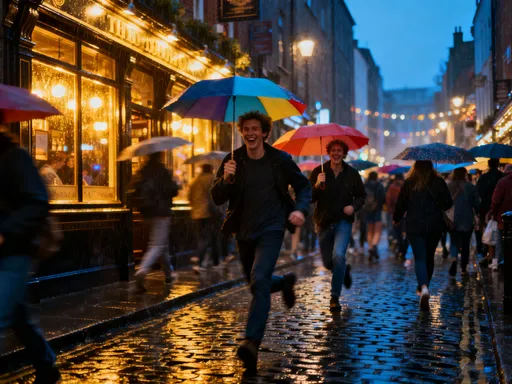
No discussion of outdoor festivals in Dublin is complete without addressing the weather. The city’s climate is famously unpredictable—sunshine can give way to driving rain within minutes, and even summer days may require layers. Outdoor events, a hallmark of Dublin’s festival season, are particularly vulnerable to sudden changes. A beautifully planned evening at a riverside concert can be derailed by a downpour, leaving attendees soaked and seeking shelter.
Stories of unprepared visitors are common. One family arrived in light jackets for an open-air Shakespeare performance in Phoenix Park, only to endure a chilly drizzle for two hours. Another group, excited for a street food market in George’s Dock, packed up early when rain turned the cobblestones slick and their shoes inadequate. These moments don’t have to ruin the experience—but they do require preparation.
The simple act of packing appropriately makes all the difference. Waterproof outerwear, foldable umbrellas, and moisture-wicking layers are essential. Sturdy, water-resistant footwear with good grip prevents slips on wet pavement and withstands long walks. Backpacks with rain covers protect electronics and personal items. Many festivals now provide covered seating or pop-up shelters, but availability is limited. Arriving equipped ensures that a little rain doesn’t cut the fun short. And when the sun does shine, being ready to shed layers and enjoy the moment becomes part of the adventure.
Balancing Festivity with Realistic Expectations
At the heart of a rewarding festival experience is the ability to embrace imperfection. Not every performance will be extraordinary. Some venues may be less comfortable than expected. Schedules might shift, and weather may interfere. Yet, these moments don’t diminish the value of the journey—they enrich it. Dublin’s festivals are not about flawless execution; they are about participation, discovery, and connection.
Adopting a flexible mindset allows visitors to find joy in the unexpected. A last-minute change in plans might lead to a spontaneous poetry reading in a quiet church hall. A delayed show could result in a meaningful conversation with a local artist in the lobby. These unplanned encounters often become the most memorable parts of the trip. The goal is not to see everything, but to engage deeply with what resonates.
For families and individuals seeking meaningful cultural experiences, Dublin remains an exceptional destination. With thoughtful preparation—researching events, booking wisely, packing practically, and staying open to surprises—the city’s festival scene delivers not just entertainment, but transformation. The laughter in a crowded pub after a play, the shared silence during a moving performance, the warmth of a stranger’s smile on a rainy street—these are the moments that linger long after the final curtain call.
Dublin’s festivals are more than events—they are invitations to belong, even if just for a weekend. They ask only that visitors come with curiosity, respect, and a willingness to adapt. When approached with awareness and care, the city’s vibrant festival life becomes not just enjoyable, but profoundly fulfilling. The magic is real. It just works better when you know what to expect—and how to make the most of it.