You Gotta Experience This: Malaga’s Festival Soul Uncovered
Malaga isn’t just sun and beaches—its festivals pulse with life, color, and raw Andalusian spirit. I’ve walked its cobblestone streets during Feria de Málaga, where flamenco rhythms echo at dawn and fireworks paint the sky. If you're chasing authentic culture over tourist traps, this city delivers. Here’s how to dive deep into its festival heartbeat—from local secrets to avoiding rookie mistakes—so you don’t just visit, you feel Malaga.
Why Festival Culture Defines Malaga
More than monuments or museums, Malaga’s soul is best understood through its festivals. These vibrant celebrations are not staged performances for tourists but living traditions that emerge from centuries of layered history. The city’s past as a crossroads of civilizations—Phoenician, Roman, Moorish, and Christian—has left an indelible mark on its cultural expressions. Each festival becomes a thread in a rich tapestry, weaving together music, faith, food, and community into moments of collective joy or solemn reflection. To witness a Malaga festival is to step inside the heartbeat of Andalusian identity, where history isn’t read—it’s danced, sung, and carried through the streets on ornate floats.
The emotional energy during these events transforms public spaces into sacred grounds of shared experience. Plazas once used for market trading become stages for flamenco; quiet residential alleys swell with candlelit processions. Neighbors open their homes to strangers, sharing tapas and stories late into the night. This sense of belonging, of being momentarily adopted into the rhythm of local life, is something no guided tour can replicate. Festivals invite participation, not observation. You’re not a spectator—you’re part of the story. That emotional resonance lingers long after the final firework fades.
For travelers seeking depth beyond the surface, attending a festival offers insight that sightseeing alone cannot. Standing among locals during Semana Santa, hearing a spontaneous saeta (a flamenco-style lament sung from a balcony), or joining neighbors in a neighborhood caseta during Feria—these are intimate encounters with the values, memories, and passions of Malaga’s people. They reveal resilience, pride, and a deep connection to both place and tradition. In a world where many destinations feel increasingly homogenized, Malaga’s festivals remain unapologetically authentic. They remind us that travel is not just about where we go, but how we connect—with others, with history, and with ourselves.
Feria de Málaga: The Heartbeat of Summer
Held annually in mid-August, the Feria de Málaga is the city’s most exuberant celebration, a 10-day explosion of color, music, and communal festivity. Originally established in 1487 to honor Queen Isabella I’s entry into the city and the reconquest from Moorish rule, the festival has evolved into a modern-day carnival that honors both history and hedonism. Today, it blends religious processions, agricultural fairs, and flamboyant street parties into a kaleidoscopic tribute to Malaga’s identity. The air hums with excitement as the city sheds its summer calm and embraces a joyful chaos that lasts from sunrise to sunrise.
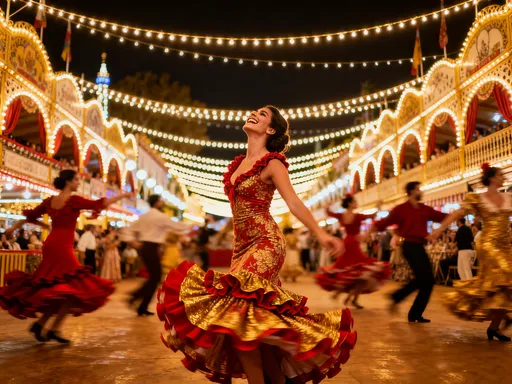
At the heart of the Feria are the casetas—themed tents erected in the Parque de María Luisa and surrounding neighborhoods. These private yet welcoming spaces are hosted by families, clubs, or businesses, each decorated with fairy lights, traditional ceramics, and floral garlands. Inside, guests enjoy sherry, fried fish, and grilled meats while dancing to live flamenco or sevillanas music. Unlike exclusive VIP lounges, many casetas welcome respectful visitors, especially if introduced by a local. Dressing appropriately—women in flamenco-style dresses with shawls, men in smart shirts and trousers—shows respect and enhances the immersive experience.
One of the most iconic visuals of the Feria is the cabalgata, a grand horse parade that kicks off the festivities. Dozens of Andalusian horses, adorned with intricate braids and embroidered saddles, parade through the city center accompanied by riders in traditional costume. The sight of these majestic animals trotting in perfect rhythm through the Alameda Principal is nothing short of magical. Later each evening, the sky erupts in a symphony of light with scheduled fireworks displays over the harbor, drawing crowds to the waterfront for a shared moment of awe.
To make the most of the Feria, timing is essential. The first weekend is typically the busiest, so arriving mid-week offers a more relaxed pace while still catching peak energy. Start your day early—many locals begin celebrating at sunrise with coffee and churros before diving into the afternoon’s events. Wear comfortable footwear; the cobblestone streets are unforgiving after hours of dancing. And while the party spirit is infectious, staying hydrated under the August sun is critical. Bring a reusable water bottle and take breaks in shaded plazas. Most importantly, embrace spontaneity. Let the rhythm guide you—follow the music, accept an invitation to a caseta, and allow yourself to be swept up in the moment.
Semana Santa: A Week of Silence and Splendor
If the Feria de Málaga is a celebration of life, Semana Santa (Holy Week) is a meditation on faith, sorrow, and redemption. Occurring in the week leading up to Easter Sunday—typically in March or April—this deeply religious observance transforms Malaga into a city of quiet intensity. The streets, usually alive with chatter and music, become corridors of reverence as brotherhoods (hermandades) carry elaborately carved floats (pasos) through the night. Each paso bears a lifelike sculpture depicting scenes from the Passion of Christ or the sorrow of the Virgin Mary, illuminated only by candlelight and watched in silence by thousands.
The processions are led by nazarenos—hooded penitents dressed in traditional robes that reflect the brotherhood’s colors. Their presence, though striking, is not theatrical but devotional. Accompanying them are costaleros, the bearers who shoulder the immense weight of the floats, often walking for hours in perfect step. The sound of marching bands playing mournful arias blends with the occasional saeta, a raw, unscripted flamenco lament sung from a balcony by a local voice trembling with emotion. These spontaneous cries pierce the night, creating moments of profound spiritual intimacy that leave even non-religious onlookers moved.
For visitors, experiencing Semana Santa requires sensitivity and respect. This is not a performance but a sacred ritual. Photography should be discreet, flash avoided, and voices kept low. Standing still in a designated viewing area allows for a deeper appreciation of the procession’s solemn beauty. Prime spots include the Cathedral of Málaga, the Calle Larios, and the Plaza de la Merced, where the atmosphere is especially charged. Arriving an hour early ensures a good vantage point without obstructing participants or worshippers.
Understanding the symbolism enhances the experience. Each brotherhood has its own history, iconography, and route, often passed down through generations. Some floats date back centuries, meticulously maintained as works of religious art. The week’s climax comes on Good Friday with the procession of the Virgin of Sorrows, whose tearful statue is accompanied by thousands in silent prayer. For those visiting during spring, the cooler temperatures and blooming jacaranda trees add a layer of natural beauty to the spiritual journey. Semana Santa offers a rare opportunity to witness a culture’s soul in stillness—a powerful contrast to the city’s more exuberant celebrations.
Smaller Gems: Off-the-Beaten-Path Celebrations
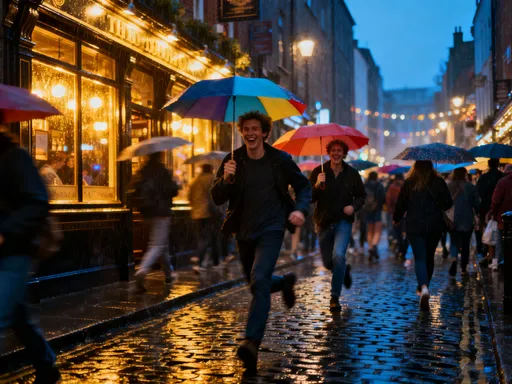
Beyond the major festivals, Malaga’s calendar brims with smaller, neighborhood-centered events that offer a more intimate glimpse into local life. These gatherings may not fill international headlines, but they pulse with authenticity and community pride. One such example is the Huelin Carnival, a grassroots celebration in the vibrant Huelin district. Unlike the polished parades of larger cities, this event thrives on creativity and inclusivity. Residents design whimsical costumes from recycled materials, dance through the streets to live brass bands, and host impromptu street parties that welcome passersby. The atmosphere is playful, unscripted, and refreshingly free of commercialization.
Another hidden treasure is the Flamenco en Soho festival, held each spring in the Soho district, now recognized as a hub of contemporary art and cultural innovation. This celebration pays homage to flamenco in all its forms—dance, guitar, song—while embracing modern interpretations. Local artists perform in open-air plazas, galleries, and pop-up stages, turning the entire neighborhood into a living stage. Workshops invite visitors to try basic steps or learn about the history of cante jondo (deep song). The event’s accessibility and welcoming spirit make it ideal for families and first-time visitors seeking a gentler introduction to Andalusian culture.
These smaller festivals offer a rare chance to engage directly with residents. Without the crowds of major events, conversations flow more easily, and invitations to share food or join a dance circle feel genuine. They also provide relief from the intensity of peak-season tourism, allowing for a more balanced experience. To discover these events, consult the official Malaga tourism website or stop by a local Oficina de Turismo upon arrival. Social media pages of neighborhood associations or cultural centers often post updates in both Spanish and English. Even asking a café owner or shopkeeper can lead to unexpected invitations—many locals appreciate genuine interest in their traditions and are happy to share insider knowledge.
Participating in these lesser-known celebrations doesn’t require elaborate planning. A willingness to wander, observe, and say “yes” to an unexpected invitation is often enough. These moments—dancing in a backstreet plaza, clapping along to an impromptu guitar solo, sharing a plate of migas with a new friend—are the quiet magic of travel. They remind us that the most meaningful experiences often happen off the itinerary, in the spaces between headlines and hashtags.
How to Plan Your Trip Around Festivals
Timing is everything when planning a festival-centered trip to Malaga. The city’s event calendar follows a seasonal rhythm, offering distinct experiences throughout the year. Spring (March–April) brings Semana Santa and the Málaga Film Festival, a growing event that celebrates Spanish and Latin American cinema with screenings, director talks, and red-carpet premieres. The weather is mild, with daytime temperatures averaging 18–22°C (64–72°F), ideal for long walks and evening events.
Summer (July–August) is dominated by the Feria de Málaga, the city’s flagship celebration. While the heat can be intense—often exceeding 30°C (86°F)—the nights are lively, and the coastal breeze offers relief. This is peak tourist season, so accommodations book up quickly. Travelers should aim to reserve hotels or rental apartments 4 to 6 months in advance, especially if seeking lodging near the city center or the festival grounds. Consider staying in nearby towns like Torremolinos or Benalmádena, which offer easier parking and lower prices while remaining well-connected by bus and train.
Autumn (September–October) sees a return to calm, but cultural life remains active. The Málaga Classical Music Festival brings world-renowned orchestras to historic venues like the Roman Theatre, while food festivals highlight local produce such as olives, wine, and seasonal seafood. The weather remains pleasant, making it an excellent time for sightseeing and coastal exploration without the summer crowds.
Winter (November–February) is the quietest season, but not without charm. Christmas markets pop up in the Plaza de la Constitución, offering handmade crafts, hot chocolate, and festive music. The Three Kings Parade on January 5th is a favorite among families, with elaborately decorated floats and candy throws that delight children of all ages. While not as intense as summer events, these celebrations offer warmth and intimacy, perfect for travelers seeking a relaxed pace.
To balance festival energy with personal comfort, consider pairing your visit with a short getaway to the surrounding Costa del Sol. After days of celebration, a quiet afternoon in Nerja’s caves or a seaside walk in Marbella’s old town can provide restorative contrast. The region’s excellent public transportation makes day trips easy and stress-free. Whether you’re drawn to sacred processions or street parades, planning ahead ensures you experience Malaga at its most vibrant—without sacrificing peace when you need it.
Practical Tips for Immersive Yet Smooth Experiences
To fully enjoy Malaga’s festivals, preparation is key. Start with packing smart. Comfortable walking shoes are non-negotiable—cobblestones and long processions demand footwear that supports without blistering. For religious events like Semana Santa, modest clothing is appropriate: cover shoulders and knees, and avoid flashy accessories. During the Feria, embrace local style: floral dresses, shawls, and lightweight fabrics help you blend in and stay cool. Don’t forget a small crossbody bag for essentials, a portable phone charger (outlets are scarce in crowds), and a refillable water bottle to stay hydrated.
Be aware of common pitfalls. Some casetas at the Feria may charge inflated prices for entry or drinks, especially in high-traffic areas. Whenever possible, seek invitations through local contacts or visit neighborhood-run tents where hospitality takes precedence over profit. Public transportation becomes essential during major events—shuttle buses and extended metro hours are typically available, but routes can change. Download the official Malaga bus and metro apps or pick up a festival map from the tourist office for real-time updates.
Food and drink are central to the experience, but timing matters. Street vendors offer delicious options like churros, espetos (skewered sardines), and rebujito (a refreshing mix of sherry and soda), but lines can be long during peak hours. Consider eating earlier or later than the main rush. Always carry some cash—many small vendors don’t accept cards. And while the festive spirit encourages indulgence, pacing yourself ensures you can enjoy multiple days without exhaustion.
Finally, embrace local etiquette. Spaniards often begin celebrations late—dinners at 9 or 10 p.m., dancing until dawn. Adjusting your rhythm helps you sync with the city’s pulse. Learn a few basic Spanish phrases: “Buenas tardes” (good afternoon), “Gracias” (thank you), “¿Dónde está el baño?” (where is the bathroom?)—these small efforts are warmly received. Most importantly, approach each moment with openness. Smile, nod to the music, accept a glass of wine from a friendly face. These gestures build bridges faster than any phrasebook.
Beyond the Party: Taking Home the Spirit of Malaga
The true value of a festival visit lies not in souvenirs or selfies, but in the intangible memories that stay with you. The echo of a saeta in a moonlit square. The warmth of a stranger’s hand as they pull you into a dance. The taste of manzanilla sherry sipped under strings of lanterns. These sensory imprints form a deeper connection—one that transcends tourism and touches on humanity. Malaga’s festivals are not just events; they are invitations to belong, even if only for a moment.
Travelers who engage respectfully often find themselves changed. Learning a few words of Spanish, supporting local artisans by purchasing handmade fans or ceramics, or simply listening to an elder’s story—these acts of presence matter. They honor the culture rather than consume it. And in return, visitors often discover a renewed sense of wonder, a reminder that joy and sorrow, faith and festivity, are threads woven into every culture’s fabric.
Malaga doesn’t ask you to be anything other than curious and kind. It rewards attention with intimacy, effort with inclusion. So when you leave, you carry more than photos—you carry a rhythm, a melody, a feeling of having been part of something real. And perhaps, that is the greatest souvenir of all: the quiet certainty that you didn’t just see Spain. You lived it.
Let the festivals call you back—not to check a destination off a list, but to deepen a connection, to rediscover celebration in its most human form. In Malaga, every season has its song. All you need to do is arrive with an open heart, and let the city sing to you.