You Won’t Believe How Art Brings Faro’s Streets to Life
Faro, Portugal, isn’t just sun and sand—it’s a canvas. Wandering its old town, I realized every corner tells a story through color, texture, and light. From weathered tiles to bold murals, art blends seamlessly with history. What makes Faro’s scenic spots truly special? It’s not just what you see, but how it makes you feel—alive, curious, inspired. This is more than sightseeing. It’s a sensory journey through a city that paints its soul on every wall.
The Old Town as an Open-Air Gallery
Faro’s historic center is not merely preserved—it breathes. With its whitewashed walls, terracotta rooftops, and narrow cobbled lanes, the old town functions as a living gallery where architecture itself becomes art. Every building, archway, and courtyard contributes to a visual narrative shaped by centuries of cultural layering. The blend of Moorish urban planning and Christian reconstruction after the Reconquista is evident in the geometric precision of alley alignments and the ornate stonework of religious edifices. The Sé Cathedral, perched atop ancient Roman ruins, stands as a symbol of this synthesis—its Baroque façade contrasting with the quiet simplicity of surrounding homes.
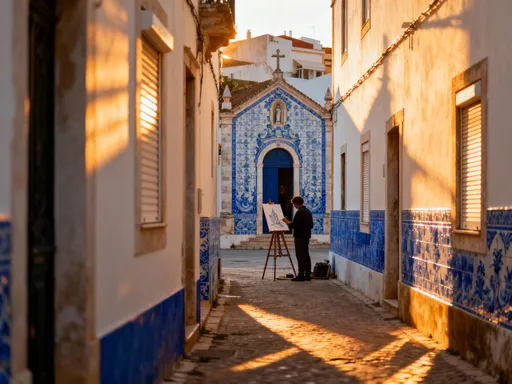
What truly elevates Faro’s old town into an artistic experience is the way light interacts with its surfaces. Morning sunlight glances off limestone walls, casting long, delicate shadows that shift with the hour. By midday, the intense Algarve sun washes the streets in brilliance, highlighting the subtle imperfections of weathered plaster and centuries-old tilework. In the late afternoon, golden light floods through arched doorways, creating natural chiaroscuro effects reminiscent of Renaissance paintings. This ever-changing play of light attracts photographers and painters who return again and again to capture the same scene under different conditions.
Even the wear and tear of time contribute to the aesthetic. Peeling paint reveals layers of past colors, like pages from a forgotten diary. Cracked tiles expose fragments of earlier designs, hinting at transformations lost to memory. These imperfections are not flaws—they are part of the story. Visitors walking through the old town are not passive observers but participants in a dynamic visual dialogue between past and present, stillness and movement, structure and spontaneity. The absence of grand plazas or overwhelming tourist infrastructure allows for intimate encounters with beauty, one quiet corner at a time.
Tilework That Tells Stories: The Language of Azulejos
In Portugal, azulejos are more than decoration—they are a language. These hand-painted ceramic tiles, often blue and white but sometimes rich with polychrome detail, serve as historical records, religious testaments, and artistic expressions all at once. In Faro, their presence is both widespread and deeply meaningful. At the Church of Carmo, visitors encounter one of the most striking examples: a full azulejo-clad interior depicting biblical scenes with meticulous detail. The cool interior, illuminated by soft light filtering through high windows, creates a contemplative atmosphere where art and devotion merge.
The craftsmanship behind azulejos is a tradition passed down through generations. Each tile is individually painted before firing, requiring precision and patience. Designs often follow symmetrical patterns, but narrative panels break from repetition to tell stories—such as maritime voyages, royal processions, or moments from saints’ lives. In the Bishop’s Palace, now home to the Diocesan Museum, visitors can observe how tiles were used not only for spiritual instruction but also to assert cultural identity and political authority. The intricate panels there reflect Portugal’s golden age of exploration, linking local history to global journeys.
What makes azulejos particularly powerful is their durability. Unlike frescoes or murals that fade, ceramic tiles withstand humidity, salt air, and time. In a coastal city like Faro, where the Atlantic breeze carries moisture year-round, this resilience ensures that centuries-old art remains visible and accessible. Public buildings, private homes, and even modern installations incorporate azulejos, demonstrating their enduring relevance. For families walking through the city, these tiles offer a gentle way to engage children with history—not through textbooks, but through vivid, visual storytelling embedded in everyday spaces.
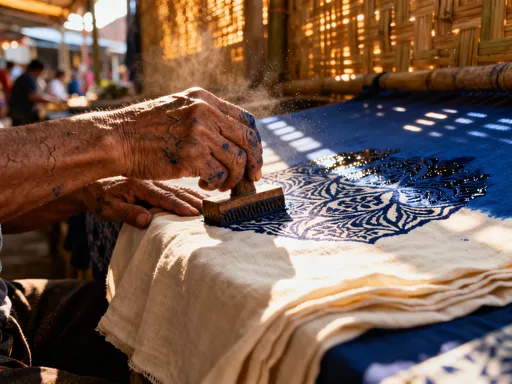
Today, artisans continue the tradition, creating new works that honor classical techniques while introducing contemporary themes. Some studios offer workshops where visitors can paint their own tiles, gaining firsthand appreciation for the skill involved. This living tradition ensures that azulejos remain not just relics of the past, but active participants in Faro’s cultural life, connecting generations through shared visual heritage.
Urban Murals and the Rise of Contemporary Street Art
While Faro honors its past, it does not dwell in it. Across the city, especially in neighborhoods near the marina and the university district, vibrant murals have transformed blank walls into bold statements of creativity. These large-scale paintings, often commissioned through cultural initiatives or created during international street art festivals, reflect a growing appreciation for contemporary expression within historic settings. Unlike graffiti that defaces, these works are integrated thoughtfully into the urban fabric, enhancing rather than disrupting the city’s character.
One can find murals depicting local fishermen in dynamic motion, their nets flung wide like wings against a turquoise sky. Others portray native birds of the Ria Formosa, rendered in hyperrealistic detail that seems to bring them to life on concrete surfaces. Some artists use optical illusions, painting windows that appear to open onto imaginary gardens or staircases leading into the clouds. These pieces invite pause, wonder, and conversation—especially among families who stop to discuss what they see, sparking curiosity in young minds.
The city has embraced this evolution with care. Rather than allowing unchecked tagging, municipal programs collaborate with artists to identify suitable locations, ensuring that new works complement existing architecture. This balance between preservation and innovation reflects a broader philosophy: that heritage is not static, but grows when nurtured by fresh perspectives. International artists from Spain, France, and Brazil have contributed alongside Portuguese talents, creating a diverse visual dialogue that respects local identity while embracing global influences.
For residents, these murals are sources of pride. They transform overlooked spaces—alleyways, underpasses, service walls—into destinations. For visitors, they offer unexpected moments of delight, turning a simple walk into a treasure hunt for color and meaning. Schools sometimes organize art walks where students learn about symbolism, technique, and urban planning through these open-air exhibits. In this way, street art becomes not only aesthetic enhancement but also informal education, fostering a deeper connection between people and place.
Art in Nature: How Scenery Inspires Creativity
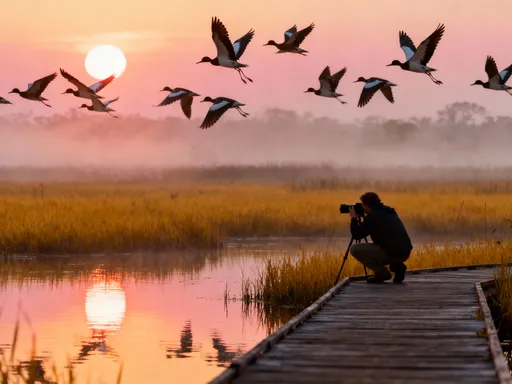
Just beyond the city walls lies one of Faro’s greatest muses: the Ria Formosa Natural Park. This vast coastal lagoon system, with its shifting sandbanks, salt marshes, and pine-covered islands, has inspired artists for generations. Its ever-changing light—soft pink at dawn, silvery at midday, molten gold at sunset—creates a palette that no studio could replicate. Painters set up easels on wooden jetties; photographers wait silently for herons to take flight; poets sit beneath umbrella pines, notebooks open to the rhythm of the waves.
The park’s ecological richness translates into visual diversity. In spring, wildflowers bloom in bursts of purple and yellow along dune paths. In summer, the shallow waters reflect the sky so perfectly that horizon lines dissolve. Autumn brings misty mornings when reeds emerge like brushstrokes from the fog. Winter light, low and diffuse, bathes everything in a gentle clarity ideal for capturing texture and form. These conditions attract plein air painters who return season after season, each time discovering new ways to interpret the same landscape.
Local art workshops frequently take place within the park, often led by instructors who emphasize observation and mindfulness. Participants are encouraged not to replicate nature exactly, but to respond emotionally—to translate the sound of wind through reeds into color, or the movement of water into gesture. These sessions are especially meaningful for adults seeking creative renewal, offering a peaceful retreat from daily routines. Many participants report feeling more grounded and present after spending hours focusing on a single scene, a reminder that art is as much about perception as production.
Even children benefit from these nature-based programs. Family-friendly workshops teach kids to make prints using leaves and shells, or to create collages from collected materials (returned to nature afterward). These activities foster environmental awareness while nurturing imagination. The park, therefore, is not just a sanctuary for wildlife, but a classroom, studio, and gallery rolled into one—an ecosystem where art and ecology thrive together.
Local Studios and Hidden Creative Corners
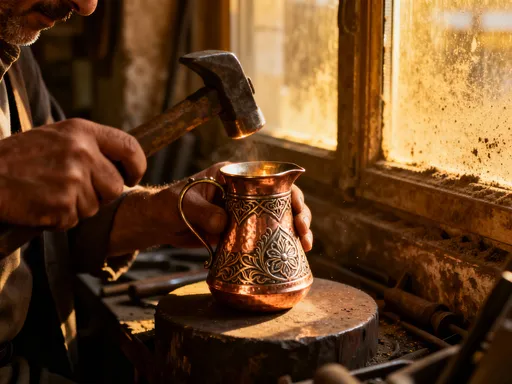
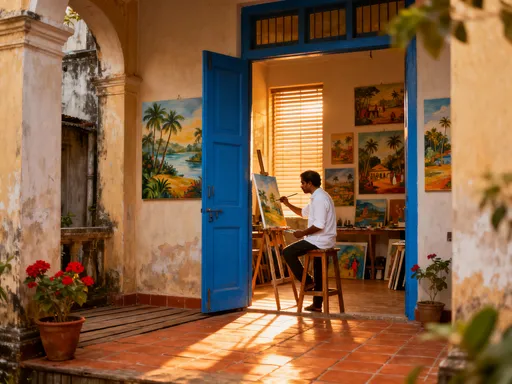
Within Faro’s labyrinthine alleys, creativity thrives in intimate spaces. Small studios, often family-run, offer a glimpse into the hands-on process of making art. In quiet courtyards, potters shape clay on spinning wheels, their movements fluid and practiced. Nearby, ceramicists paint delicate patterns onto bisqueware, continuing the azulejo tradition in miniature form. These workshops are not tourist spectacles—they are working spaces where craft meets daily life, and visitors are welcomed with quiet hospitality.
Some artists open their doors during special events like the Faro Craft Fair or European Heritage Days, allowing the public to watch demonstrations and ask questions. Others operate year-round, selling pieces directly from converted storage rooms or ground-floor apartments. These informal galleries lack the polish of commercial spaces, but they possess authenticity. A hand-thrown bowl may bear slight asymmetries, but those imperfections speak of human touch in an age of mass production. For women managing households, such objects carry emotional weight—not as luxury purchases, but as meaningful additions to daily life, each with a story behind it.
Pop-up exhibitions in repurposed buildings further enrich the cultural scene. A former laundry might host a week-long display of textile art; a disused warehouse could become a temporary sculpture garden. These events rely on community collaboration and often feature emerging artists exploring themes of memory, identity, and place. Attendance is modest but engaged—locals who return with friends, children who sketch in corners, elders who recall similar spaces from their youth.
What unites these creative corners is accessibility. There are no velvet ropes or hushed tones. Art is not elevated beyond reach; it is woven into the rhythm of the city. A grandmother might buy a small painted tile for her kitchen; a couple might commission a custom piece for their anniversary. These interactions affirm that creativity belongs to everyone, not just the elite. In Faro, art is not confined to institutions—it lives in doorways, courtyards, and quiet moments of making.
Seasonal Light and Its Artistic Impact
Light is Faro’s most subtle yet powerful artist. The quality of illumination changes dramatically across the year, shaping how the city looks, feels, and inspires. In summer, the sun reigns with intensity, casting sharp contrasts and saturating colors. Walls glow white, shadows cut deep, and the sea sparkles like shattered glass. This clarity attracts photographers seeking bold compositions and painters drawn to strong tonal ranges. Outdoor art installations during summer festivals often use reflective materials to amplify the light, creating dazzling effects that engage both adults and children.
Autumn brings a softer mood. As daylight hours shorten, the angle of the sun shifts, sending golden beams through narrow streets at unexpected moments. Morning fog occasionally lingers, wrapping the old town in a dreamlike haze that feels almost painterly. Artists respond with warmer palettes—ochres, russets, deep blues—capturing the transition from heat to cool. Plein air groups schedule more frequent sessions during this season, taking advantage of comfortable temperatures and nuanced lighting conditions.
Winter light in Faro is remarkably gentle. Though days are shorter, the air often carries a crisp clarity that enhances visibility without glare. Sunlight filters through archways in delicate patterns, illuminating tilework with a quiet reverence. This season sees a rise in indoor artistic activity—ceramic workshops, drawing classes, storytelling events—yet the connection to nature remains. Many artists keep sketchbooks filled with quick studies of winter skies, cloud formations, and the way rain beads on windowpanes.
Spring, perhaps the most inspiring season, brings renewal in every sense. Mornings are bright but not harsh, ideal for detailed work. Bougainvillea spills over walls in cascades of magenta and coral, offering vibrant subjects for painters and photographers alike. Local art schools organize seasonal exhibitions featuring student work inspired by spring’s energy. Even temporary installations—such as flower arrangements in public squares or light sculptures in gardens—reflect the city’s responsiveness to natural cycles. For those who visit Faro with artistic intent, aligning their trip with seasonal shifts can profoundly enhance their experience, offering unique visual opportunities no other time of year provides.
How to Experience Faro Like an Artist
To truly appreciate Faro’s artistic soul, one must slow down. Checklist tourism—rushing from cathedral to museum to market—misses the essence of what makes this city special. Instead, travelers are encouraged to adopt the mindset of an artist: observant, patient, emotionally present. Bringing a sketchbook, even for simple doodles, changes the way one sees. The act of drawing a doorway, a tile pattern, or a shadow on stone forces attention to detail, revealing nuances invisible at a glance.
Timing visits to match light conditions can transform ordinary moments into extraordinary ones. Early risers are rewarded with empty streets bathed in soft light, perfect for photography. Late afternoon offers the famed Algarve golden hour, when every surface seems to glow. Evenings, though quieter, provide opportunities to see how artificial lighting interacts with historic façades—lanterns casting warm halos, streetlamps highlighting textures in stone.
Participating in local events deepens connection. Art fairs, craft markets, and open studio days offer direct engagement with creators. Guided cultural walks, led by historians or artists, provide context often missed by guidebooks. These tours frequently include stops at lesser-known sites—a hidden courtyard, a recently restored mural, a centuries-old well adorned with tiles—places that reveal Faro’s depth beyond postcard views.
Mindfulness is key. Standing still for several minutes in one spot, observing how light moves, how people interact with space, how sound echoes off walls—these moments cultivate a deeper appreciation. For women managing busy lives, such pauses are not indulgences but necessities, small acts of reconnection with beauty and self. Faro invites this kind of travel: not to consume sights, but to absorb them, to let the city’s colors, textures, and rhythms leave an imprint on the heart.
Ultimately, experiencing Faro like an artist means embracing curiosity without agenda. It means allowing oneself to be surprised by a splash of color around a corner, to linger over a pattern in the pavement, to feel the warmth of sun on stone and remember it later. It is about seeing not just with the eyes, but with the senses, memory, and emotion.
Faro reveals itself not in postcards, but in moments—when a shadow falls across a tiled wall, or a mural catches your eye around a quiet corner. Its scenic spots are more than destinations; they’re invitations to see the world differently. Through art, Faro doesn’t just impress—it transforms.