You Won’t Believe These Hidden Gems in Chennai’s Protected Wilds
When I first thought of Chennai, beaches and temples came to mind—but not its wild side. Then I stumbled upon something unexpected: lush green reserves, quiet trails, and bird-filled wetlands hiding in plain sight. These protected areas aren’t just conservation zones—they’re Instagram gold. From sunrise shots at Pallikaranai to rare kingfisher sightings in Vedanthangal, nature here is raw, real, and ridiculously photogenic. Let me take you where few tourists go—where every frame tells a story.
Chennai’s Secret Wild Side: More Than Just City Chaos
Chennai is often celebrated for its vibrant culture, historic temples, and bustling urban life. Yet beneath the rhythm of city traffic and temple bells lies a quieter, greener truth—one that many travelers overlook. Just beyond the metro’s edges, a network of protected natural areas thrives, offering not only refuge for wildlife but also a sanctuary for the human spirit. These spaces—ranging from marshlands to bird sanctuaries—are not mere afterthoughts in an industrializing city. They are vital ecosystems, carefully preserved under India’s environmental regulations, and increasingly recognized as essential destinations for mindful travelers.
Protected areas in India are designated zones managed by the Ministry of Environment, Forest and Climate Change, often under the Wildlife Protection Act of 1972. These include national parks, bird sanctuaries, conservation reserves, and community reserves. In Chennai’s context, they serve dual roles: preserving biodiversity and offering accessible nature experiences for city dwellers. The growing interest in eco-tourism reflects a shift in travel values—people no longer just seek landmarks; they crave connection, authenticity, and visual richness rooted in real ecological stories. Chennai’s wild spaces deliver exactly that, often without the crowds or commercialization found elsewhere.
What makes these areas especially compelling is their contrast with the city’s fast-paced environment. A short drive from Chennai’s high-rises can lead to silence broken only by the call of a pied kingfisher or the rustle of blackbuck hooves on dry soil. These aren’t remote wilderness zones requiring weeks of planning—they’re within reach, yet feel worlds away. For photographers, families, and nature lovers, this blend of accessibility and authenticity is rare. It invites a deeper kind of travel, one where observation replaces consumption, and stillness becomes the most rewarding souvenir.
Vedanthangal Bird Sanctuary: A Feathered Paradise for the Lens
Just 75 kilometers southwest of Chennai, nestled in the Kanchipuram district, lies Vedanthangal Bird Sanctuary—one of India’s oldest and most significant waterbird habitats. Established in the 18th century by local villagers and officially designated a sanctuary in 1936, Vedanthangal is a living testament to community-led conservation. What unfolds here each winter is nothing short of a natural spectacle: thousands of migratory birds descend upon a single freshwater lake, transforming the treetops into a fluttering mosaic of feathers, song, and movement. For photographers, it’s a dream destination where composition meets serendipity.
The visual drama begins at dawn. As the first light spills across the water, flocks of spot-billed pelicans, painted storks, and Eurasian spoonbills stir from their roosts. Cormorants stretch their wings like dark sails, while glossy ibises preen in golden hues. The nesting trees—mostly babul and acacia—become vertical cities, each branch cradling nests layered upon nests. The air hums with activity. A pair of grey herons bicker over twigs; a purple heron stands sentinel at the water’s edge; a sudden splash reveals a pheasant-tailed jacana walking delicately across lily pads. Every glance yields a potential masterpiece.
To make the most of this sanctuary, timing is essential. The ideal visiting season spans from November to February, when migratory species from Central Asia and Europe arrive. Early morning, between 6:00 and 9:00 AM, offers the best light and peak bird activity. Late afternoon also provides soft, warm tones, though fewer birds are in flight. Entry is regulated—visitors pay a nominal fee and must follow designated paths to avoid disturbing nesting zones. Drones are prohibited, and loud noises are discouraged, preserving the sanctuary’s peaceful rhythm.
Crowds can gather on weekends, especially during peak season, so weekday visits are recommended for a more intimate experience. Binoculars and telephoto lenses are invaluable, but even smartphone cameras with zoom can capture stunning close-ups from the observation towers. Local guides, often trained by the Tamil Nadu Forest Department, offer insights into bird behavior and nesting patterns, enriching the visit beyond photography. More than just a photo op, Vedanthangal teaches patience, respect, and the quiet joy of witnessing life unfold on its own terms.
Guindy National Park: Urban Jungle with Wild Surprises
Within the sprawling metropolis of Chennai, a rare anomaly exists—Guindy National Park, one of the few national parks located entirely within a city’s boundaries. Spanning 2.7 square kilometers, this green enclave is a haven for biodiversity and a testament to urban conservation. Originally part of the Governor’s Estate during British rule, it was declared a national park in 1976. Today, it serves as a living classroom, a breathing space, and an unexpected wildlife destination for residents and visitors alike. What makes Guindy extraordinary is its accessibility—just minutes from Anna University and the bustling IT corridor, yet home to species found nowhere else in the city.
The park’s dry deciduous forest and scrubland host a surprising array of wildlife. The endangered blackbuck, with its spiraled horns and graceful stride, is the park’s most iconic resident. Herds graze in open meadows, often pausing to gaze curiously at onlookers. Smaller mammals like the Indian palm squirrel, mongoose, and spiny mouse dart through underbrush, offering fleeting but rewarding sightings. Over 150 bird species have been recorded here, including the Indian robin, black-rumped flameback, and the elusive changeable hawk-eagle. Even reptiles like the star tortoise and the Indian rock python find refuge in this urban oasis.
For photographers and casual nature lovers, Guindy offers structured yet flexible access. Designated walking trails, ranging from 1 to 3 kilometers, allow visitors to explore at their own pace. The park opens early—around 9:00 AM—and closes by 4:30 PM, with entry permitted only through guided tours or pre-booked slots. This controlled access ensures minimal disturbance to wildlife while maintaining safety. The on-site butterfly park, a separate enclosure with nectar-rich plants and host species, is especially popular with families. It’s a place where children learn to identify the common Mormon or the blue tiger without ever leaving the city limits.
Photography in Guindy requires subtlety. Animals are accustomed to human presence but remain cautious. Using long lenses, moving slowly, and avoiding sudden gestures increases the chances of capturing natural behavior. Early mornings offer the best lighting and the highest animal activity. The interplay of sunlight filtering through thorny acacia branches creates dynamic shadows and textures—ideal for moody, artistic shots. More than just a photo destination, Guindy reminds us that conservation isn’t always about remote forests; sometimes, it’s about protecting pockets of wildness where we live, work, and raise our families.
Pallikaranai Marsh Reserve: Chennai’s Beating Green Heart
Once dismissed as a wasteland, Pallikaranai Marsh is now recognized as one of Chennai’s most vital ecological assets. Spanning over 80 square kilometers—though reduced from its original size due to urban encroachment—it is one of the last remaining freshwater marshes in South India. Designated a Reserved Forest in 1999 and later declared a Ramsar site of international importance, Pallikaranai plays a crucial role in flood mitigation, groundwater recharge, and carbon sequestration. But beyond its environmental functions, it has emerged as a destination of quiet beauty and photographic depth—a place where nature reclaims what was nearly lost.
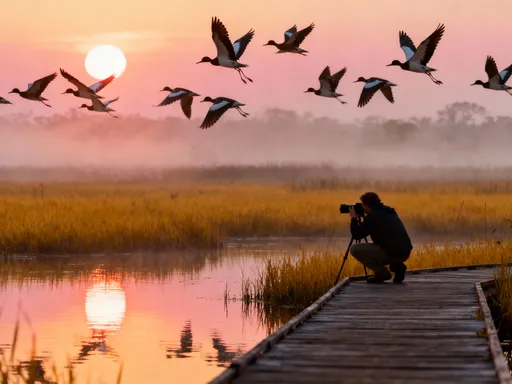
The reserve’s landscape is defined by reed beds, open water channels, and seasonal lagoons. Elevated boardwalks wind through the marsh, allowing visitors to glide silently above the water without disturbing the ecosystem. At golden hour, the scene transforms: the sky blushes in pinks and oranges, reflecting off still pools where purple swamp lilies bloom. Egrets, herons, and pond herons stand like statues in the shallows, waiting for a ripple. A purple swamphen strides across lily pads, its red beak glowing in the low light. Kingfishers dart like blue sparks between reeds. Every step along the boardwalk offers a new composition—a feather caught in dew, a spiderweb glistening at dawn, the silhouette of a cormorant drying its wings.
Accessibility has improved in recent years, with the Tamil Nadu Urban Habitat Development Board managing visitor facilities. Entry is free, but prior permission is required for individuals and groups. Guided nature walks, often led by local environmental educators, are available on weekends and provide context about the marsh’s flora and fauna. These walks emphasize observation over interaction, teaching visitors to appreciate the subtle rhythms of wetland life. School groups, photography clubs, and eco-volunteers frequently visit, contributing to citizen science efforts like bird counts and water quality monitoring.
For photographers, Pallikaranai offers a rare opportunity to capture atmospheric, moody imagery without traveling far. The interplay of light, water, and vegetation creates endless possibilities for reflection shots, silhouettes, and macro details. Because the marsh is less crowded than traditional tourist spots, it fosters a sense of solitude and contemplation. It’s not a place for staged poses or flashy filters—it rewards those who wait, watch, and listen. In a city that never stops moving, Pallikaranai stands as a reminder that stillness, too, has value.
Sri Lankan Frogmouth and Other Rare Finds: Chasing Moments, Not Just Likes
Among the most thrilling experiences in Chennai’s wild spaces is the chance to glimpse a truly rare creature—the Sri Lankan frogmouth. Though primarily found in the Western Ghats, occasional sightings have been reported in the forested fringes near Vedanthangal and Guindy, especially during nocturnal surveys. This elusive bird, with its wide, frog-like mouth and cryptic plumage, blends seamlessly into tree bark, making it nearly invisible during the day. Spotting one feels like uncovering a secret—one that nature has carefully guarded. For photographers and birdwatchers, such moments transcend the pursuit of likes; they become personal victories, earned through patience, knowledge, and respect.
The thrill of rare sightings is not about trophy hunting or exploitation. It’s about connection—understanding that every animal has a role, a rhythm, and a right to exist undisturbed. Ethical wildlife photography means never using flash at night, avoiding playback calls that disrupt natural behavior, and maintaining a safe distance. It means celebrating a blurry distant shot over a stressed, close-up image. In Chennai’s protected areas, responsible tourism isn’t just encouraged—it’s enforced. Park authorities, naturalists, and local guides work together to ensure that visitors enhance, rather than endanger, the ecosystems they come to admire.
For those hoping to increase their chances of rare encounters, joining a naturalist-led tour is the best approach. Organizations like the Care Earth Trust and the Madras Naturalists’ Society conduct regular field trips, often timed with migration seasons or breeding cycles. These tours prioritize education and conservation, teaching participants how to identify tracks, interpret bird calls, and understand habitat needs. They also contribute data to long-term monitoring projects, turning casual visits into meaningful participation. When travelers support such initiatives, they become part of a larger story—one where tourism fuels protection, not depletion.
The Sri Lankan frogmouth may remain hidden to most, but its presence—real or potential—symbolizes the deeper value of these spaces. They are not just backdrops for photos; they are living laboratories, refuges for the rare, and testaments to what can be saved when communities care. Every shutter click, when done responsibly, becomes an act of advocacy—a small but powerful way to say, This matters. This deserves to survive.
Photography Tips That Turn Good Shots into Jaw-Droppers
Capturing the essence of Chennai’s wild spaces doesn’t require professional gear or years of training. What it does require is intention. The best nature photographs tell stories—of light and shadow, of movement and stillness, of connection and solitude. Whether using a smartphone or a DSLR, photographers can elevate their work by focusing on three key elements: timing, perspective, and emotion.
Golden hour—shortly after sunrise and before sunset—remains the most powerful tool in a nature photographer’s kit. During these windows, the sun sits low, casting warm, diffused light that enhances textures and minimizes harsh contrasts. At Vedanthangal, morning light turns mist into gold; at Pallikaranai, evening hues reflect like liquid fire on still water. Shooting during these times not only improves image quality but also aligns with peak animal activity, increasing the chances of dynamic shots.
Perspective matters just as much. Instead of shooting from eye level, try lowering your camera to ground height. A low angle can make a blackbuck appear more majestic, a spiderweb more intricate, or a water lily more expansive. Reflections in wetlands offer another creative opportunity—align your frame to capture both subject and mirror image, doubling the visual impact. Using natural frames, like tree branches or reeds, adds depth and focus to your composition.
Gear should serve the moment, not dominate it. A tripod ensures sharp images in low light, especially during dawn or dusk. For bird photography, a telephoto lens (200mm or higher) allows distant subjects to fill the frame without intrusion. Smartphones, with their portrait modes and high-resolution sensors, are surprisingly capable—especially when paired with a portable lens attachment. Silent shutter mode is essential for wildlife, preventing sudden noises that might scare animals.
Ultimately, the most memorable photos capture emotion, not just aesthetics. A heron poised mid-leap, a mother blackbuck nudging her fawn, a lone stork silhouetted against a stormy sky—these moments resonate because they feel alive. They invite the viewer to wonder, to feel, to care. When photographing in protected areas, remember: your goal isn’t just to document beauty, but to honor it.
Why Protecting These Places Makes Your Journey More Meaningful
Traveling through Chennai’s protected wilds is more than a leisure activity—it’s an act of participation. Every step on a boardwalk, every quiet observation through binoculars, every photo shared online contributes to a growing awareness of these fragile ecosystems. In an age where nature is often reduced to content, these spaces remind us that real beauty cannot be manufactured. It must be protected. And when travelers choose to visit responsibly, they become stewards, not just spectators.
Conservation begins with visibility. When a woman shares a photo of a painted stork on her social media, tagging the location and crediting the sanctuary, she introduces thousands to a place they might never have known. When a family chooses a weekend walk in Guindy over a mall visit, they model a different kind of leisure—one rooted in learning and respect. These small choices accumulate, shaping public perception and influencing policy. In Chennai, citizen advocacy has already led to stronger protections for Pallikaranai and increased funding for wetland restoration.
But with visibility comes responsibility. The same photos that inspire can also attract unregulated tourism if not shared thoughtfully. That’s why ethical practices matter: staying on marked trails, avoiding litter, refraining from feeding animals, and respecting quiet zones. These rules aren’t restrictions—they’re invitations to engage more deeply, to slow down, and to see with greater care. When visitors leave no trace, they ensure that future generations can experience the same wonder.
Moreover, supporting local conservation groups amplifies impact. Donations, volunteer hours, and participation in clean-up drives directly benefit these areas. Even purchasing a guidebook or paying an entry fee contributes to maintenance and protection. Travel, at its best, becomes a cycle of giving and receiving—a way to take beauty home while ensuring it remains where it belongs.
Chennai’s protected areas are not just safe havens for wildlife—they’re invitations to slow down, look closer, and capture something real. In a world of staged feeds, these wild spaces offer authenticity that no filter can replicate. When you visit, you’re not just taking photos; you’re becoming part of a story worth protecting.