This Is What Happens When Festival Vibes Meet Island Light
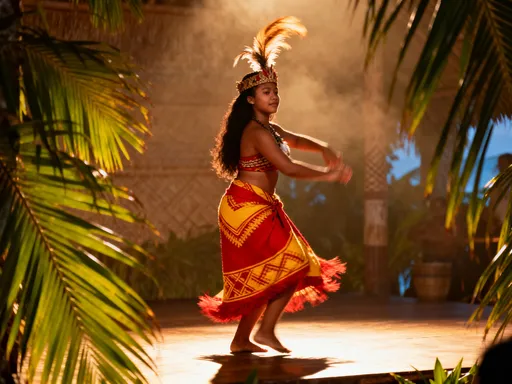
You know that golden hour glow that makes everything look like a postcard? Now imagine it lighting up dancers in feathered crowns and handwoven skirts, laughter ringing through the warm Pacific air. In Apia, Samoa, festival season turns the capital into a living photo album of culture, color, and raw emotion. I went not just to see—but to capture moments where tradition dances in the sunlight. This is photography at its most alive. The air hums with drumbeats, children dart between stalls with flower necklaces swinging, and elders sit beneath palm-thatched shelters, their faces etched with stories passed down through generations. It is in these fleeting, unguarded moments that the soul of Samoa reveals itself—one frame at a time.
The Pulse of Apia: Where Culture Comes Alive Through the Lens
Apia may be compact, but during festival season, its energy expands far beyond its geographic borders. The city becomes a living stage where every street corner, market stall, and village green pulses with creative motion. Unlike highly commercialized festivals elsewhere, Samoan celebrations remain deeply rooted in community and heritage. There is no separation between performer and spectator—everyone participates, whether through dance, song, food preparation, or costume crafting. For photographers, this means access to authentic cultural expressions that unfold naturally, not staged for tourists. The rhythm of daily life slows only to make space for tradition, not to perform it for outsiders.
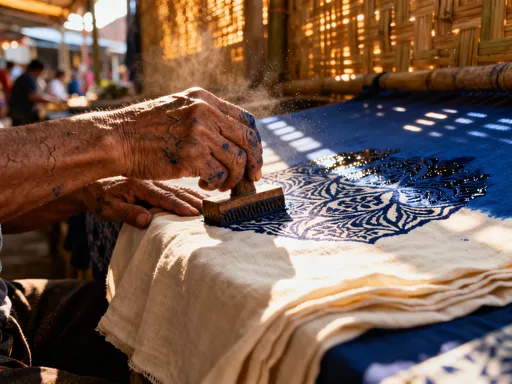
What makes Apia particularly compelling is its ability to host large-scale events without losing its intimate, human scale. The city does not transform into a spectacle; instead, it opens its doors. Rehearsals spill into public spaces—groups of dancers practicing the fa’ataupati in schoolyards, drummers tuning their wooden slit drums beneath banyan trees, families dyeing tapa cloth in vibrant earth tones. These moments are not hidden behind ticketed gates. They are visible, audible, and photographable—if one approaches with patience and respect. The scent of coconut oil and frangipani lingers in the air, a sensory cue that you are not just witnessing culture, but living inside it.
Photographers benefit from this organic atmosphere because spontaneity reigns. There are no rigid schedules dictating when emotion will rise or when a grandmother will adjust her granddaughter’s floral crown with quiet pride. The visual storytelling potential lies in the unpredictability of human connection. A child’s wide-eyed wonder as she wears her first woven skirt, a teenage boy’s nervous grin before his first dance performance—these are the moments that define Apia’s festival season. The city’s charm is not in grandiosity but in its sincerity, offering images that carry emotional weight rather than just aesthetic appeal.
Capturing the Festival Spirit: Key Events That Define Samoan Celebration
At the heart of Apia’s festival season is the Teuila Festival, a multi-day celebration that brings together villages from across Samoa and even neighboring Pacific islands. While the event features competitions, parades, and concerts, its essence lies in the collective expression of identity. For photographers, the festival offers a structured yet deeply personal canvas. Each day unfolds with a rhythm: morning preparations, midday performances, and evening feasts. Knowing this cadence helps in anticipating the most photogenic moments.
One of the most visually striking events is the fa’ataupati, or Samoan slap dance. Performed by groups of men, this powerful dance combines rhythmic slapping of the body with synchronized footwork and chanting. The movements are precise, energetic, and deeply symbolic, often telling stories of war, unity, or daily life. From a photographic standpoint, the interplay of motion, expression, and costume creates dynamic compositions. The dancers’ bodies glisten with coconut oil under the sun, enhancing the contrast between light and shadow. Their faces convey intensity, focus, and pride—emotions that translate powerfully through the lens.
Another highlight is the floral crown ceremony, where young women are honored with intricately woven crowns made from native flowers. These crowns—often composed of jasmine, hibiscus, and plumeria—are symbols of beauty, grace, and cultural continuity. The moment a crown is placed on a girl’s head is rich with quiet emotion. Photographers should position themselves at eye level to capture the exchange of glances between mother and daughter, or elder and youth. These are not grand theatrical gestures but subtle, intimate exchanges that speak volumes about Samoan values of family and respect.
Village performances, often held in open-air pavilions called fale, provide additional opportunities for storytelling. These events are less formal than the main stage shows, allowing for candid interactions. Children mimic their elders’ dance moves, elders nod in approval, and visitors are welcomed with song and food. To capture these moments effectively, photographers should arrive early, observe quietly, and wait for natural interactions to unfold. Rushing in with a camera can disrupt the flow. Instead, building a quiet presence allows trust to form, resulting in more authentic images.
Light, Color, and Motion: The Photographer’s Playground in Samoa
The tropical environment of Samoa presents unique challenges and opportunities for photographers. The light here is not soft and diffused like in temperate climates; it is bold, direct, and ever-changing. Many photographers instinctively avoid midday sun, but in Apia, that light can be harnessed creatively. The high contrast between sunlight and shadow adds drama to images, especially during dance performances where bodies move in and out of bright patches beneath thatched roofs.
Understanding how to work with this light is essential. For example, using a polarizing filter can reduce glare on oily skin or shiny fabrics, preserving texture and detail. Shooting in RAW format allows for greater flexibility in post-processing, particularly when recovering highlights in bright costumes or balancing skin tones under golden sunlight. White balance settings should lean toward the warmer side to maintain the natural warmth of the environment, avoiding a cold or artificial look.
Color plays a central role in Samoan festivals. Handwoven skirts in deep reds, blues, and yellows contrast beautifully with the green of palm fronds and the blue of the Pacific sky. These vibrant textiles are not just decorative—they carry cultural meaning. Red may symbolize strength, yellow joy, and blue the ocean that connects all Pacific peoples. Photographers should pay attention to color relationships within the frame, using them to guide the viewer’s eye or create visual harmony.
Motion is another key element. Dancers move with controlled power, their hands slicing through the air, feet stomping in unison. To freeze this motion, a shutter speed of at least 1/500th of a second is recommended. However, slower shutter speeds—around 1/60th to 1/125th—can be used creatively to convey movement, especially when combined with panning techniques. The blur of a dancer’s arm in motion, while the face remains sharp, adds energy and rhythm to the image. Experimentation is encouraged, but always with intention.
Beyond the Stage: Finding Stories in the Margins
While the main performances draw crowds and applause, some of the most powerful photographs emerge from the spaces between—the quiet moments before a dance, the hands weaving a crown, the shared laughter over a shared meal. These are the scenes that reveal the deeper fabric of Samoan life. They are not always easy to access, but they are always worth seeking.
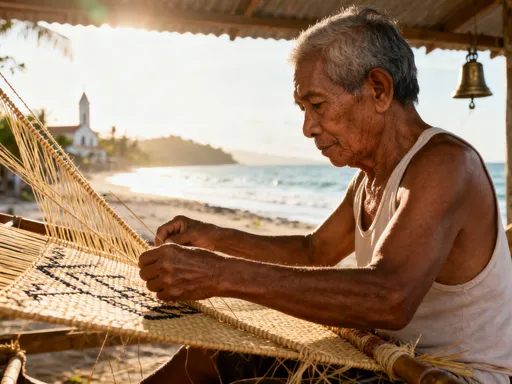
Elders sitting together, weaving intricate patterns into floral arrangements, offer a study in patience and tradition. Their hands, weathered by time, move with precision and care. A close-up of those hands, perhaps with a grandchild watching closely, tells a story of intergenerational knowledge. Similarly, children painting each other’s faces with natural dyes or practicing dance steps in the dust provide candid, joyful moments. These scenes are not performed; they are lived.
To capture such moments, photographers must practice peripheral vision—looking beyond the center of attention. A wide-angle lens can help include context, showing not just the subject but their environment. A child holding a handmade drum might be framed against a backdrop of swaying palms and distant dancers, placing the individual within the larger cultural landscape. Conversely, a macro lens can isolate details: a single frangipani petal resting on a woven mat, the texture of tapa cloth, the glint in an elder’s eye.
Building trust is essential when photographing intimate or personal moments. A simple smile, a nod, or a quiet “Talofa” (hello) can open doors. Asking permission is not always done verbally—sometimes, it’s a matter of waiting for a nod or a gesture of welcome. Respecting personal space ensures that the images captured are not just technically strong but ethically sound. The best photographs are those taken with consent, even if unspoken.
Choosing Your Moments: When to Shoot and When to Step Back
Photographing cultural events carries responsibility. While the instinct may be to document everything, there are moments that should be observed, not recorded. Sacred rituals, private family gatherings, or moments of solemnity are not for the lens. Understanding the difference requires cultural sensitivity and awareness.
Body language is a key indicator. If people turn away, lower their eyes, or form a protective circle around a moment, it is a sign to pause. Similarly, some dances or ceremonies have spiritual significance and may not be open to photography. In such cases, stepping back is not a loss but an act of respect. The goal is not to collect images but to engage meaningfully with the culture.
Choosing unobtrusive gear supports this balance. A mirrorless camera with a silent shutter mode allows for discreet shooting. A lightweight setup—such as a compact prime lens or a moderate zoom—reduces physical and visual intrusion. Carrying a large, noisy DSLR with a telephoto lens may draw unwanted attention and create barriers. The aim is to become part of the environment, not a disruption to it.
Respect also means not directing people. Asking someone to “do that again” or to “look at the camera” alters the authenticity of the moment. Instead, photographers should anticipate and wait. A genuine smile, a spontaneous gesture, a shared glance—these cannot be staged, but they can be captured with patience. The most powerful images are those that feel inevitable, as if they could not have been any other way.
Apia as a Base: Practical Tips for Festival Photography Travelers
For photographers planning to attend Apia’s festival season, timing is crucial. The Teuila Festival typically takes place in September, coinciding with Samoa’s Independence Day celebrations. Booking accommodations several months in advance is advisable, especially in the central districts near the Faleata Sports Complex, where many events are held. Staying in guesthouses or family-run lodges not only supports the local economy but also increases opportunities for meaningful interactions.
Local transportation is limited but functional. Taxis and shared vans, known as “apenas,” operate throughout the city. For photographers carrying equipment, hiring a trusted driver for the day can be a practical solution. Biking is another option for the adventurous, though the tropical heat and humidity should not be underestimated. Walking remains the best way to discover unexpected moments, especially in neighborhoods where festivals extend beyond official venues.
Protecting gear in Samoa’s humid climate is essential. Moisture can damage camera sensors, lenses, and batteries. Packing silica gel packs, using sealed storage containers, and avoiding rapid temperature changes (such as moving from air-conditioned rooms to hot outdoors) helps prevent condensation. A simple rain cover is also recommended—sudden tropical showers are common, even during dry seasons.
Power sources can be unpredictable. Carrying portable battery packs ensures that cameras and phones remain charged. Backing up images daily—either to a laptop or a cloud service with local internet access—prevents data loss. Extra memory cards are a must, as editing on-site may not be feasible. Finally, labeling gear with contact information is a small but important step in case of loss or misplacement.
Engaging a local guide or cultural liaison can greatly enhance the experience. These individuals not only provide logistical support but also help navigate social norms. They can explain the significance of certain rituals, introduce photographers to community leaders, and facilitate respectful access to events. Their knowledge transforms a tourist visit into a culturally informed journey.
From Snapshots to Storytelling: Editing with Integrity and Impact
Once the festival ends and the images are downloaded, the work continues. Editing is not about altering reality but about revealing it more clearly. The goal is to enhance, not invent. Skin tones should remain true to life—over-saturation or heavy filters can distort cultural authenticity. Natural light, whether golden hour glow or midday contrast, should be preserved, not replaced with artificial effects.
A simple editing workflow is often the most effective. Start with basic adjustments: exposure, contrast, and white balance. Crop images to improve composition, removing distractions while maintaining context. Use noise reduction sparingly, especially in low-light shots, to retain texture and detail. Avoid heavy sharpening, which can create an unnatural look.
Sequencing images into a narrative is where storytelling truly begins. Rather than presenting isolated highlights, consider how photos flow together. A series might begin with preparation—the weaving of costumes, the mixing of dyes—then move to performance, and end with reflection—elders resting, children sleeping on mats. This arc mirrors the rhythm of the festival itself, inviting viewers to experience it as a journey.
Captions, when used, should be informative and respectful. Include names when possible, describe the context, and credit cultural sources. Avoid exoticizing language or reducing complex traditions to simplistic labels. Phrases like “ancient ritual” or “mysterious dance” may sound dramatic but often lack accuracy and respect. Instead, focus on what is known and what was witnessed.
Ultimately, the most impactful images are those that honor the people behind them. They do not seek to impress but to connect. They remind us that photography is not just about what we see, but how we see it—with humility, curiosity, and care.
Photographing festival life in Apia isn’t about chasing perfect exposures—it’s about bearing witness to joy, pride, and continuity. Each frame holds a legacy. When you return home, your images shouldn’t just impress. They should invite others to see, feel, and remember.