Spice, Streets, and Stories: Where Kochi’s Flavors Meet Its Forgotten Walls
Walking through Kochi feels like flipping through the pages of a well-worn cookbook wrapped in centuries-old stone. You smell cardamom before you see it—curling around colonial arches, clinging to wooden fishing boats, drifting past crumbling spice warehouses. This city doesn’t just serve food; it lives it. And every bite comes with a backdrop: a heritage wall, a hidden courtyard, a church with tiles from Portugal. What makes Kochi’s cuisine unforgettable isn’t just flavor—it’s where you taste it. The scent of roasted coconut oil rises from open kitchens nestled within laterite walls, while the echo of mortar and pestle blends with the creak of teakwood doors. In Kochi, meals are not isolated events but woven into the rhythm of place, memory, and architecture. To eat here is to step into a living archive of taste and time.
The Living Kitchen: How Kochi’s Architecture Cooks Up Flavor
Kochi’s culinary soul is inseparable from its built environment. In neighborhoods like Fort Kochi and Mattancherry, the city’s colonial-era homes were not merely designed for shelter—they were engineered for flavor. The architecture of these centuries-old residences reflects a deep understanding of climate, trade, and gastronomy. Courtyards, known locally as *nadumuttams*, served as the heart of both domestic life and food preparation. These open-air spaces allowed sunlight and cross-breezes to circulate, creating ideal conditions for drying chilies, turmeric, and spices brought in from the hinterlands. The warm, steady airflow prevented moisture buildup, a critical function in a tropical coastal climate where mold and spoilage are constant threats.
Beyond practicality, the layout of traditional homes shaped the rhythm of daily cooking. Kitchens were often positioned adjacent to the courtyard, with wide doorways allowing for easy movement of ingredients and cookware. High ceilings helped dissipate heat from wood-fired stoves, while thick laterite stone walls provided natural insulation, keeping interiors cool during the day and warm at night. These architectural features were not accidental—they evolved in direct response to the demands of spice preservation and meal preparation. Even today, families in heritage homes maintain these practices, using sun-dried spices ground fresh each morning in stone mortars passed down through generations.
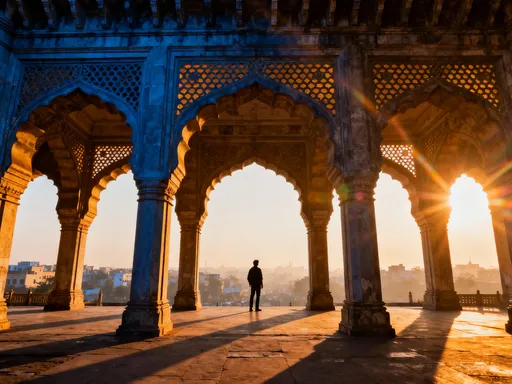
The influence of the spice trade is evident not only in the food but in the very structure of the city. During the 15th and 16th centuries, Kochi became a hub for Portuguese, Dutch, and British traders seeking black pepper, cardamom, and cinnamon. The wealth generated from this trade funded the construction of grand homes and warehouses, many of which still stand. These buildings were designed with large, ventilated storage rooms on the ground floor—spaces where sacks of spices were kept before export. The same rooms now house family kitchens or dining areas, their original purpose subtly embedded in the experience of eating within them. In this way, the city’s architecture continues to shape its cuisine, preserving traditions that modern kitchens often overlook.
Fort Kochi’s Culinary Canvas: Where Walls Tell Tastes
Fort Kochi, with its pastel-colored colonial facades and cobbled streets, is a living museum of cultural fusion—and nowhere is this more evident than in its food. The neighborhood’s historic buildings, once homes to European traders and local merchants, have been thoughtfully restored into intimate cafes, art galleries, and heritage dining spaces. These transformations do more than preserve architecture—they breathe new life into Kochi’s culinary identity. In a repurposed Dutch warehouse, one might find a chef slow-cooking beef ularthiyathu, a rich, caramelized stir-fry, while the scent of roasted coconut drifts through exposed wooden beams. The walls themselves seem to absorb and amplify the flavors, their peeling paint and weathered wood telling stories older than the recipes being served.
One of the most distinctive experiences in Fort Kochi is the traditional *sadya*, a vegetarian feast served on banana leaves during festivals and special occasions. Increasingly, these meals are hosted in private heritage homes that open their doors to visitors. Diners sit cross-legged in sunlit courtyards, surrounded by jasmine vines and ancestral portraits, as course after course is served—steamed rice, sambar, avial, olan, and payasam. The setting transforms the meal into a ritual, where every bite is framed by history. The high ceilings and open design of these homes allow the aromas to mingle with the sea breeze, creating a multisensory experience that cannot be replicated in modern restaurants.
The aesthetic of these spaces—carved balustrades, Portuguese tile work, Dutch gables—adds to the authenticity of the dining experience. Many of these buildings were constructed with large verandas and breezy balconies, originally intended to provide relief from the heat. Today, these same spaces serve as outdoor dining areas where guests enjoy dishes like appam with stew or spicy crab curry while watching the sun dip behind the St. Francis Church. The architecture does not merely house the food—it enhances it, creating an atmosphere where taste and memory converge. In Fort Kochi, every meal feels like an invitation to step back in time, to eat not just with the mouth but with the imagination.
Mattancherry’s Melting Pot: Food in the Shadow of the Jewish Synagogue
A short walk from Fort Kochi, Mattancherry unfolds as a mosaic of cultures, religions, and culinary traditions. At its center stands the 16th-century Paradesi Synagogue, its blue-and-white Chinese tiles glinting under the tropical sun. Around it, narrow lanes lined with shuttered merchant houses lead to bustling spice markets, family-run eateries, and hidden courtyards where generations have cooked, traded, and lived. This neighborhood, once the heart of Kochi’s spice trade, remains a living testament to centuries of coexistence between Jewish, Arab, Portuguese, and Keralan communities. Their collective influence is most vividly expressed in the food—dishes that reflect a history of exchange, adaptation, and shared tables.
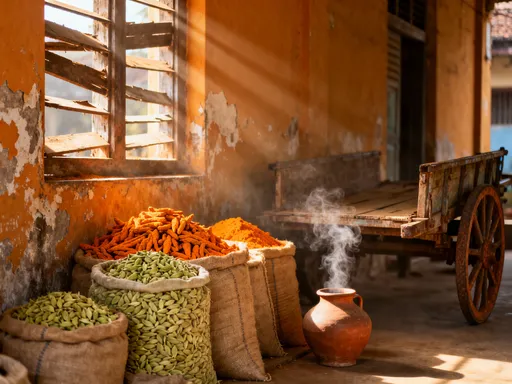
The spice market of Mattancherry is a sensory overload in the best possible way. Sacks of cumin, coriander, and turmeric spill onto the pavement, their vibrant colors and pungent aromas filling the air. Vendors call out prices in Malayalam, Arabic, and Hindi, a reminder of the city’s long-standing connections to the wider Indian Ocean trade network. These spices are not just commodities—they are the foundation of daily cooking. In nearby kitchens, women toast mustard seeds in coconut oil, temper curry leaves, and simmer stews with tamarind and jaggery, techniques passed down from mothers and grandmothers. The proximity of the market to homes means that ingredients are often used the same day they are purchased, ensuring peak freshness and flavor.
Among the most cherished culinary traditions in Mattancherry are the home-style meals served in ancestral homes turned eateries. One such place, tucked behind a wrought-iron gate, offers a simple yet unforgettable menu: appam with stew, spicy beef fry, and banana chips made in-house. The stew—a creamy coconut milk-based dish with tender pieces of meat or vegetables—is a legacy of Portuguese influence, while the use of black pepper and curry leaves grounds it firmly in Kerala’s culinary vocabulary. Another specialty is seafood biryani, a fragrant rice dish layered with marinated fish, saffron, and fried onions, reflecting Arab trading links. These meals are served on banana leaves, just as they have been for generations, in rooms with high ceilings, teakwood doors, and ancestral portraits watching silently from the walls.
The Hidden Home Kitchens: Dining Like a Local, Inside History
In recent years, a quiet revolution has taken place in Kochi’s food scene: the rise of home dining experiences. More and more travelers are choosing to eat not in restaurants, but in the private homes of local families—many of which are centuries-old heritage houses. These intimate gatherings offer more than a meal; they provide a window into Kochi’s domestic life, where food, family, and history are inseparable. Hosts welcome guests like relatives, serving dishes made from recipes that have been refined over decades, if not centuries. The experience is not about spectacle, but authenticity—a chance to eat as Kochi’s residents do, in spaces that have witnessed generations of celebrations, rituals, and everyday moments.
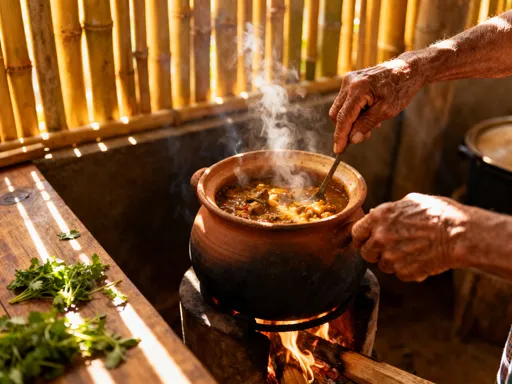
A typical home dining menu might include tapioca (kappa) with fish curry, a humble yet deeply satisfying combination that speaks to Kochi’s agrarian roots. Tapioca, boiled and mashed with green chilies and onions, pairs perfectly with a tangy, oil-laden fish curry made with tamarind, mustard seeds, and curry leaves. Another favorite is jackfruit fry, where young jackfruit is sliced, spiced, and deep-fried to a golden crisp—a dish that showcases the region’s abundance of tropical produce. Desserts often include pazham pradhaman, a sweet pudding made with banana, jaggery, and coconut milk, slow-cooked in a brass pot over a wood fire.
What sets these meals apart is not just the food, but the setting. Guests dine in rooms with laterite walls, high ceilings, and antique furniture—spaces that have changed little over the past hundred years. The architecture itself becomes part of the experience, evoking a sense of continuity and rootedness. A grandmother might point to a photograph of her great-grandfather, a spice merchant who once walked the same streets, or explain how the kitchen’s clay stove was used during festivals. These conversations, over shared plates, turn dinner into a cultural exchange. For many visitors, it is the most memorable part of their trip—not because the food is exotic, but because it feels real.
From Godowns to Gourmet: How Old Warehouses Feed New Trends
Along the waterfront of Kochi, a new generation of chefs and restaurateurs is reimagining the city’s culinary future—by looking to its past. Abandoned spice warehouses, once used to store sacks of pepper and cardamom before shipment to Europe, have been transformed into stylish restaurants and cafes. These spaces, with their exposed brick walls, original wooden beams, and large ventilated windows, offer a unique blend of history and modernity. The architecture is preserved, not as a museum piece, but as a living framework for contemporary dining. The same structures that once facilitated global trade now serve as stages for Kochi’s evolving food culture.
One such venue, located near the Chinese fishing nets, offers a menu of toddy-shop classics—spicy, unpretentious dishes traditionally served with palm wine. Here, guests can enjoy karimeen pollichathu (pearl spot fish wrapped in banana leaf and grilled), beef fry with parotta, and neer mor (buttermilk with curry leaves). The open kitchen allows diners to watch chefs grind spices in stone mortars and cook over wood-fired stoves, a nod to traditional methods. The design of the space—high ceilings, natural ventilation, reclaimed wood tables—enhances the sensory experience, making the food feel more authentic, more connected to place.
These warehouse conversions are more than aesthetic choices; they represent a deeper shift in how Kochi values its heritage. By repurposing old structures instead of demolishing them, restaurateurs contribute to the city’s cultural preservation. At the same time, they attract a younger, more cosmopolitan crowd, ensuring that traditional flavors remain relevant. The success of these spaces proves that heritage and innovation are not opposites—they can, and should, coexist. In these transformed godowns, the past is not preserved behind glass; it is served on a plate.
Street Food Under Colonial Arcades: A Taste of the Everyday
While heritage homes and repurposed warehouses offer curated dining experiences, the true heartbeat of Kochi’s food culture pulses in its streets. Beneath the colonial arcades of Mattancherry and Fort Kochi, vendors set up small stalls each morning, selling snacks that have sustained locals for generations. These are not tourist traps but daily rituals—moments of pause between errands, conversations between neighbors, and simple pleasures rooted in flavor and tradition. The architecture of these arcades, with their shaded walkways and stone columns, provides more than shelter; it creates a natural marketplace where food and community thrive.
One of the most beloved street foods is banana fritters (pazham pori), ripe plantains dipped in batter and deep-fried until golden. Sold from roadside carts, they are often enjoyed with a cup of sulaimani tea—a spiced black tea sweetened with lemon and cardamom, believed to aid digestion. Another staple is parotta with beef curry, a dish that reflects the Muslim community’s culinary influence. The parotta, a flaky, layered flatbread, is pulled and twisted by hand, then cooked on a griddle. Served with a rich, spiced curry, it is both filling and deeply flavorful. These meals are eaten standing up, on paper plates, under the watchful gaze of centuries-old buildings.
What makes street food in Kochi special is its continuity. Many vendors are third- or fourth-generation, operating from the same spots their ancestors did. The same arches that once sheltered spice merchants now frame food carts, creating a visual and cultural link between past and present. The ingredients remain largely unchanged—locally sourced, seasonal, and prepared fresh daily. There is no need for gimmicks or fusion; the food speaks for itself. For visitors, eating on the street is not just about convenience—it is a way to participate in the rhythm of local life, to taste Kochi as it truly is.
Preserving Taste and Stone: The Future of Kochi’s Food-Architecture Legacy
As Kochi continues to grow, its unique blend of culinary and architectural heritage faces increasing pressure. Rapid urbanization, rising property values, and changing lifestyles threaten both the preservation of historic buildings and the survival of traditional food practices. Many heritage homes are being demolished to make way for hotels and commercial complexes, while younger generations move away from home cooking in favor of convenience foods. The intimate connection between place and taste—so vital to Kochi’s identity—is at risk of being lost.
Yet there is hope. Community-led initiatives, heritage walks, and government conservation programs are working to protect Kochi’s architectural legacy. Organizations like the Kochi Heritage Forum advocate for the restoration of old buildings, emphasizing their cultural and economic value. At the same time, chefs, home cooks, and food entrepreneurs are finding new ways to keep traditional recipes alive—through cooking classes, food festivals, and digital storytelling. These efforts are not just about nostalgia; they are about sustainability, about ensuring that future generations can still taste the flavors of the past.
The future of Kochi’s food culture depends on recognizing that taste and stone are not separate. A dish is not just defined by its ingredients, but by the space in which it is prepared and consumed. The scent of curry leaves frying in coconut oil is amplified by the echo of a courtyard. The joy of a sadya is deepened by the presence of ancestral portraits on the wall. To preserve one is to preserve the other. As travelers, locals, and stewards of culture, we have a role to play—not just as diners, but as witnesses to a living tradition. Kochi’s true flavor lies not just on the plate, but in the walls that hold its stories. And if we listen closely, those walls still have much to tell.