You Gotta See What I Found in Yogyakarta’s Markets
Walking through Yogyakarta’s bustling markets, I was hit by the scent of batik and the hum of artisans at work. This city isn’t just about temples and traditions—it’s a treasure chest for unique finds. From hand-stamped fabrics to intricate silver jewelry, every product tells a story. If you’re looking for more than souvenirs, Yogyakarta’s specialty shopping scene will blow your mind. Let me take you through the real gems only locals seem to know.
The Soul of Yogyakarta: Where Tradition Meets Craft
Yogyakarta, often called Jogja, is more than a gateway to the majestic Borobudur and Prambanan temples. It is a living museum of Javanese culture, where heritage is not preserved behind glass but woven into everyday life. At the heart of this cultural resilience is craftsmanship—deeply rooted, proudly passed down, and constantly evolving. Here, making things by hand is not a hobby; it is a vocation, a form of storytelling, and for many families, a way of life spanning generations. The term *kerajinan*, meaning handicraft, encompasses everything from delicate batik cloth to finely carved wooden masks and hand-forged silver. These are not merely decorative objects but emblems of identity, spirituality, and regional pride.
What sets Yogyakarta apart is how seamlessly tradition integrates with modern living. You’ll see young women wearing modernized batik dresses to work, or families using hand-carved wooden trays during daily meals. Craftsmanship here is not frozen in time—it breathes, adapts, and remains relevant. Artisans often learn their skills from childhood, beginning by watching elders and gradually mastering techniques that can take decades to perfect. This deep respect for skill and patience is evident in every piece produced. When you buy a handmade item in Yogyakarta, you are not just purchasing a product; you are connecting with a legacy of dedication and cultural continuity.
Moreover, the city’s status as a center of education and art fuels a creative environment where traditional techniques are honored but not confined. Young designers study at respected institutions like the Indonesia Institute of the Arts, then return to their communities to collaborate with local makers. This synergy between tradition and innovation ensures that Yogyakarta’s crafts remain authentic while appealing to contemporary tastes. Whether it’s a batik motif reimagined on a modern tote bag or silver jewelry with minimalist lines, the evolution is respectful and intentional. This balance is what makes shopping in Yogyakarta so uniquely rewarding.
Beringharjo Market: The Pulse of Local Commerce
No visit to Yogyakarta is complete without stepping into Beringharjo Market, the city’s oldest and most iconic traditional marketplace. Located just south of the Kraton, the royal palace, this sprawling complex has been a commercial hub since the 18th century. As you enter through its arched gateways, the atmosphere shifts—sounds grow louder, scents richer, and colors more vibrant. The air carries the earthy aroma of dried spices, the sweet smoke of incense, and the unmistakable wax-and-dye fragrance of batik in the making. Vendors call out in Javanese and Indonesian, their stalls overflowing with textiles, sandals, herbal remedies, and household goods.
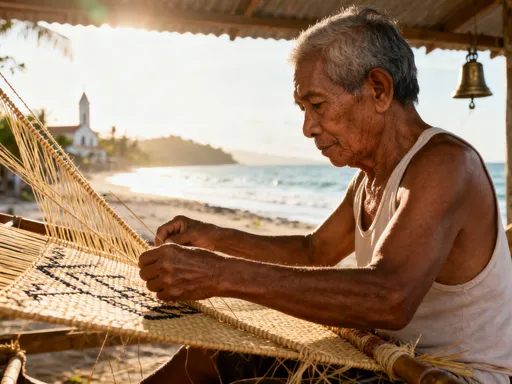
Beringharjo is not a tourist bazaar but a true reflection of daily life. Locals come here to shop for everything from cooking ingredients to ceremonial fabrics. Yet, it is also one of the best places for visitors to experience authentic Javanese craftsmanship. The northern section of the market is dedicated to batik, where long bolts of fabric hang like banners in every color and pattern imaginable. Nearby, you’ll find artisans selling woven *tas anyaman*—bags made from natural fibers like mendong grass or rattan—practical and beautiful, often used by women for carrying groceries or market purchases.
Another hidden gem within Beringharjo is the handmade soap and herbal product section. Small family businesses produce soaps infused with turmeric, jasmine, or lemongrass, using recipes passed down through generations. These are not mass-produced cosmetics but natural, gentle cleansers that reflect local wellness traditions. Some even include *jamu* ingredients—traditional herbal tonics known for their health benefits—making them both luxurious and meaningful souvenirs.
For a smooth and respectful shopping experience, timing matters. The market opens early, around 6 a.m., but the best hours for visitors are between 9 a.m. and 3 p.m., when lighting is good and vendors are settled into their day. Avoid Friday afternoons, when the market gets crowded with locals preparing for the weekend. Bargaining is expected but should be done politely. Start by asking the price, then offer about 20 to 30 percent less. A smile and a calm demeanor go a long way. To identify authentic handmade batik, look for slight imperfections—uneven lines, subtle color variations—which indicate human touch rather than machine precision.
Batik: More Than Fabric—A Story in Every Fold
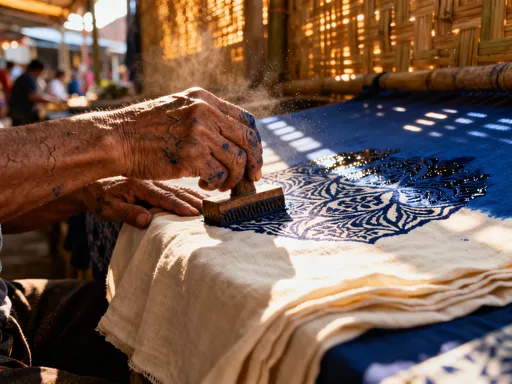
Batik is more than Indonesia’s national fabric—it is a language of symbols, a marker of status, and a sacred art form. In Yogyakarta, batik is worn during ceremonies, gifted at weddings, and displayed in homes as a sign of cultural pride. The process of making batik is intricate and meditative, involving the application of hot wax to fabric using a tool called a *canting* (for hand-drawn designs) or a copper stamp known as a *cap*. Once the wax is applied, the fabric is dyed; the wax resists the color, preserving the original pattern. This process can be repeated multiple times for multi-colored designs, with each layer requiring precision and patience.
There are two primary types of batik: *batik tulis* (hand-drawn) and *batik cap* (stamped). *Tulis* is the most labor-intensive, often taking weeks or even months to complete a single piece. Each line is drawn freehand, making every cloth one of a kind. *Cap* batik, while still handmade, is more accessible and affordable, as the stamp ensures consistency and speeds up production. Both forms are valued, but *tulis* is considered the pinnacle of the craft and commands higher prices. When shopping, ask vendors to explain the technique used—many will proudly show you the tools or even demonstrate the process.
Yogyakarta’s batik motifs are rich with meaning. The *parang* pattern, with its slanted knife-like lines, symbolizes strength and protection. Traditionally, it was reserved for royalty. The *kawung* motif, resembling a cross-section of a palm fruit, represents purity and balance. Other common designs include *truntum*, a scattered star pattern symbolizing love and guidance, often worn by brides and grooms. Understanding these symbols adds depth to your purchase and allows you to choose a piece that resonates with your own values or intentions.
To find high-quality batik, visit specialized workshops or galleries near the Kraton or in the neighborhood of Prawirotaman. Look for even dyeing, crisp wax lines, and fabric that feels substantial. Genuine batik is usually made from cotton or silk and will have a slightly textured surface. Avoid pieces that look too perfect or are sold at suspiciously low prices—these are likely printed imitations. Some reputable shops offer certificates of authenticity, especially for *batik tulis*. By choosing authentic batik, you support artisans and help preserve a UNESCO-recognized cultural heritage.
From Kotagede to Balong: Hunting for Silver and Ceramics
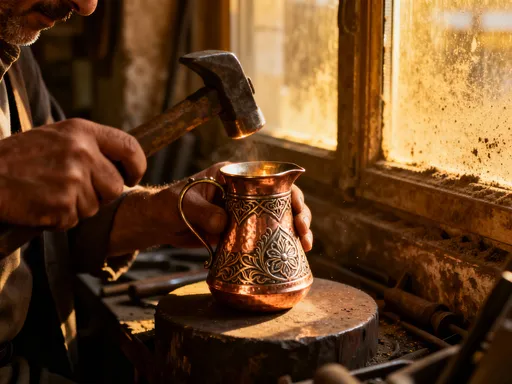
Just south of Yogyakarta’s city center lies Kotagede, a quiet neighborhood with a remarkable legacy: centuries of silver craftsmanship. Once the capital of the Mataram Sultanate, Kotagede is now renowned for its family-run silver workshops, where artisans shape elegant jewelry, ceremonial items, and tableware using techniques passed down since the 17th century. Walking through its narrow streets, you’ll hear the soft tapping of hammers on metal and catch glimpses of craftsmen bent over their workbenches, filing, polishing, and engraving intricate patterns into silver sheets.
The silverware of Kotagede is known for its fine detail and timeless elegance. Necklaces, bracelets, and earrings often feature floral and geometric motifs inspired by Javanese architecture and nature. Tableware such as trays, teapots, and candle holders are popular among collectors and make for stunning home decor. Many workshops welcome visitors, offering a chance to watch artisans at work and even try your hand at simple engraving under guidance. This direct connection between maker and buyer adds immense value to each piece.
For ceramic lovers, the villages of Kasongan and Balong offer equally rich experiences. Kasongan, located about 12 kilometers south of Yogyakarta, has been a center for terracotta pottery for generations. Artisans here use traditional clay from the slopes of Mount Merapi, mixing it with water and natural binders before shaping it on foot-powered wheels. The resulting pieces—earthy-colored pots, decorative masks, and kitchenware—are fired in wood-burning kilns, giving them a distinctive warmth and character. Kasongan masks, often used in traditional dance performances, are particularly striking, with exaggerated expressions and hand-painted details.
Further east, in the village of Balong, ceramic production takes a more contemporary turn. While still using local clay and traditional methods, many artisans here experiment with glazes and forms, creating modern tableware, vases, and sculptures. Some studios operate as cooperatives, ensuring fair wages and sustainable practices. Visitors can tour the workshops, observe the entire process from clay preparation to final firing, and purchase directly from the makers. To reach these villages, hiring a local driver or joining a craft-focused tour is recommended, as public transportation can be infrequent and confusing for first-time visitors.
Pasar Bantal: The Hidden Pillow Market (and Beyond)
Tucked away in the northern part of Yogyakarta, Pasar Bantal—literally “Pillow Market”—is a lesser-known gem that has evolved far beyond its original specialty. While it began as a market for embroidered bed pillows, it has grown into a vibrant hub for textiles, handmade goods, and affordable crafts. Unlike the more tourist-heavy Beringharjo, Pasar Bantal retains a strong local flavor, with families shopping for everyday items alongside visitors hunting for unique souvenirs.
One of the most delightful discoveries here is *kain lurik*, a traditional striped fabric once worn by Javanese peasants and spiritual seekers. Made from cotton or a cotton-blend, *lurik* comes in soft earth tones—beige, brown, indigo—and is now being reimagined into modern clothing, scarves, and home textiles. The fabric’s simplicity carries deep cultural meaning, symbolizing humility and inner peace. Many vendors at Pasar Bantal sell ready-made *lurik* items or offer custom tailoring services, allowing you to take home a personalized piece.
Another highlight is the collection of hand-embroidered scarves and table runners, often made by women’s cooperatives in surrounding villages. These pieces feature delicate floral patterns and are stitched entirely by hand, sometimes taking weeks to complete. Prices are modest, reflecting the market’s focus on accessibility and community support. Bargaining is common, but transactions are friendly and respectful. Beyond textiles, you’ll find woven baskets, wooden toys, and natural fiber bags—simple, functional, and full of charm.
Pasar Bantal is best visited in the morning, when vendors are fully stocked and the air is cooler. It’s not as polished as a boutique market, but that’s part of its appeal. The uneven floors, open-air stalls, and lack of signage give it an authentic, unfiltered feel. For travelers seeking a quieter, more personal shopping experience, this market offers a refreshing contrast to the busier commercial centers. It’s also an excellent place to observe how traditional crafts remain woven into the fabric of daily life, not just displayed for tourists.
Modern Craft Hubs: Jalan Prawirotaman and Gallery Walks
For those who appreciate tradition with a modern twist, the streets of Jalan Prawirotaman and the lanes near Taman Sari offer a different kind of shopping experience. These areas are home to a new generation of designers and entrepreneurs who honor Javanese heritage while embracing contemporary aesthetics. Boutiques and concept stores line the sidewalks, their windows displaying minimalist batik shirts, upcycled fabric bags, and sleek silver jewelry with clean lines.
What makes these shops special is their intentionality. Many are run by young Indonesians who have studied design abroad or at local universities and returned with a mission to elevate traditional crafts. They collaborate directly with artisans, ensuring fair pay and sustainable practices. Some brands focus on upcycling—transforming old batik fabric into stylish clutches or jackets—while others experiment with natural dyes, zero-waste patterns, or eco-friendly packaging. The result is a fusion of old and new that feels fresh yet respectful.
Galleries and cultural spaces also play a role in this modern craft movement. Places like Galeri Hamzah Batik or Bentara Budaya Yogyakarta host rotating exhibitions that showcase the artistry behind batik, silver, and ceramics. These are not just retail spaces but educational environments where visitors can learn about the cultural significance of what they’re buying. Some galleries offer workshops, allowing guests to try batik-making or silver polishing under expert guidance—a deeply memorable experience.
Shopping in these areas tends to be more expensive than in traditional markets, but the price reflects the quality, ethical production, and design innovation. If you’re looking for a statement piece—a batik dress tailored to perfection, a hand-forged silver ring, or a ceramic vase with a modern twist—this is the place to invest. The atmosphere is relaxed, with many shops offering tea or coffee, inviting you to slow down and appreciate the details. It’s shopping as an act of connection, not just consumption.
Smart Shopping: How to Buy with Respect and Confidence
Shopping in Yogyakarta can be incredibly rewarding, but doing it wisely ensures that your experience benefits both you and the local community. The first rule is to approach bargaining with respect. While haggling is expected in markets, it should never feel aggressive or exploitative. Start by asking for the price, then offer a reasonable counter. A good rule of thumb is to aim for 20 to 30 percent less than the initial quote. If the vendor smiles and negotiates back, you’re on the right track. If they seem uncomfortable, accept the price—it’s likely already fair.
To support ethical makers, prioritize buying directly from artisans or cooperatives. Look for signs that say “produksi sendiri” (self-produced) or ask if the item was made in-house. Avoid shops that sell large quantities of identical batik or silver pieces at very low prices—these are often mass-produced imitations that undercut local craftsmen. When in doubt, ask questions. Most artisans are happy to explain their process, and their pride in their work is evident.
Packaging and shipping are also important considerations. Many shops offer secure wrapping and can arrange domestic or international shipping through reliable couriers. For fragile items like ceramics or glass, confirm that they will be packed with sufficient cushioning. If you’re carrying items in your luggage, consider using fabric wraps or padded bags to prevent damage. Some travelers bring collapsible garment bags to protect delicate textiles.
Finally, be mindful of customs regulations when returning home. While most handicrafts are allowed, some countries have restrictions on certain materials, such as animal bone or specific types of wood. Declare your purchases honestly and keep receipts when possible. Most importantly, remember that every object you take home carries a story. By valuing craftsmanship over convenience, and authenticity over cheap souvenirs, you become part of a larger effort to preserve Yogyakarta’s rich cultural heritage. Your choices matter—not just for what you bring back, but for what you help sustain.
Yogyakarta’s true magic lies not just in its sights, but in the hands of its makers. Every purchase here carries legacy, intention, and artistry. By choosing thoughtfully, travelers don’t just take home objects—they become part of a continuing story.