You Won’t Believe These Tampere Shopping Traps—Learn the Hard Way
Shopping in Tampere seemed like a dream at first—cozy boutiques, local markets, and promises of Finnish design. But I didn’t see the pitfalls coming. Overpriced souvenirs, tourist-targeted stores, and confusing opening hours left me frustrated. What should’ve been fun turned into a lesson. If you’re planning to shop here, trust me—you need to know what to avoid. Let’s walk through the real deal behind Tampere’s shopping scene so you don’t waste time or money.
First Impressions: The Allure of Tampere’s Shopping Scene
Tampere, nestled between two vast lakes and wrapped in a rich industrial heritage, presents a shopping experience that feels both modern and deeply rooted in Nordic tradition. As you wander along its tree-lined streets, the city hums with quiet charm—brick buildings softened by climbing ivy, cobblestone alleys leading to unexpected courtyards, and shop windows glowing with handcrafted glass, woolen textiles, and sleek wooden furniture. The city's reputation for minimalist Finnish design is on full display, drawing visitors who seek authenticity and timeless style. For many, especially women between 30 and 55 who appreciate thoughtful living and well-made goods, Tampere feels like a haven of calm sophistication.
Walking through the central district, it’s easy to be enchanted. Boutiques showcase linen dresses in earthy tones, wooden toys with smooth, organic shapes, and ceramics glazed in soft, glacial hues. The air inside lifestyle shops often carries a faint scent of beeswax or fresh cotton, reinforcing the sense of purity and care. Markets like the Tammelantori flea market buzz with energy on weekends, offering vintage finds, handmade soaps, and knitted mittens. These sensory details contribute to a powerful narrative: that shopping here isn’t just about acquiring things, but about participating in a culture that values sustainability, craftsmanship, and simplicity.
Yet, this very allure can be misleading. The image of Tampere as a bastion of authentic Finnish life is partly real—but it’s also carefully curated for visitors. While the city does nurture genuine artisans and small producers, not every shop window tells the truth about where its products come from or who it’s truly meant for. The emotional appeal of Nordic minimalism, combined with the desire to bring home a piece of Finland, can make even the most careful traveler vulnerable to overspending or disappointment. Understanding the difference between curated charm and authentic local commerce is the first step toward a more rewarding experience.
The Tourist Trap: When “Local” Isn’t Really Local
One of the most common pitfalls in Tampere’s shopping landscape is the illusion of authenticity. Stores located near major attractions like the Moomin Museum or along the bustling Hämeenkatu pedestrian street often present themselves as purveyors of traditional Finnish goods. Their displays feature red-and-white striped textiles, reindeer antler carvings, and jars of cloudberry jam—iconic symbols of Finland. However, closer inspection often reveals a different story. Many of these items are mass-produced overseas, imported in bulk, and repackaged with Finnish labels to appeal to tourists who want a souvenir with national pride.
Price inflation is another red flag. A simple woolen hat that might cost 25 euros in a local cooperative could be priced at 45 euros in a shop catering to tourists, with no difference in quality. These stores rely on the assumption that visitors won’t know the market value or take the time to compare. Some even use psychological tactics, such as placing a “discounted” original price next to the current one, creating a false sense of savings. Without local knowledge, it’s easy to fall into the trap of believing you’re getting a special deal on an authentic item, only to later discover it’s neither rare nor locally made.
The emotional impact of this realization can be surprisingly strong. For women who shop not just for utility but for connection—to culture, to craftsmanship, to memories—the disappointment runs deep. Buying a handmade-looking ceramic bowl only to learn it was factory-made in China diminishes the sentimental value of the purchase. It’s not just about the money; it’s about the broken promise of authenticity. This is especially true for travelers seeking meaningful souvenirs to bring home for loved ones or to decorate their living spaces with items that tell a story. The good news is that real Finnish craftsmanship does exist in Tampere—it just requires knowing where to look.
Hidden Gems vs. Hidden Costs: Finding Real Value
Amid the tourist-targeted shops, Tampere quietly nurtures a network of artisans, designers, and small studios producing work of exceptional quality. These are the places where shopping becomes a genuine cultural exchange. Locally made woolens, for instance, are a true highlight. Finnish sheep’s wool is naturally water-resistant and insulating, making it ideal for cold climates. When sourced from regional farms and spun by hand, these garments carry both functional and emotional value. Look for labels indicating “suomalaista villaa” (Finnish wool) or ask if the item was knitted by the seller or a local craftsperson.
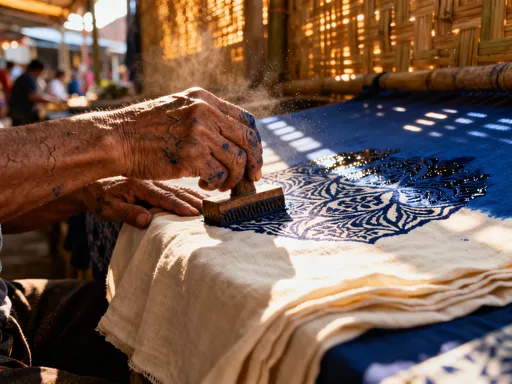
Handmade ceramics are another area of excellence. Studios around the Pyynikki and Kaleva neighborhoods often feature pottery with organic shapes and natural glazes, reflecting the Finnish reverence for nature. These pieces are not only beautiful but durable, designed for everyday use. Unlike mass-produced tableware, each item has subtle variations that speak to the hand of the maker. Similarly, design-forward home goods—such as linen napkins, wooden kitchen utensils, or hand-thrown mugs—often come from small workshops where function and aesthetics are equally valued.
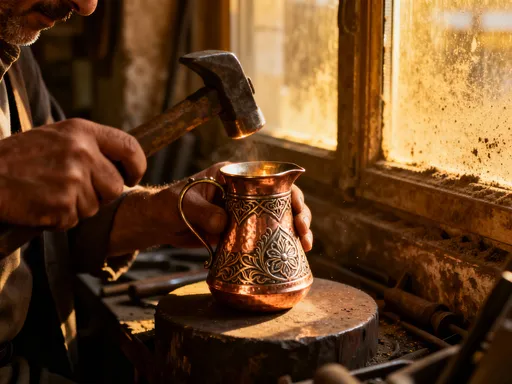
To identify genuine local products, seek out artist cooperatives like the Tampere Art Museum Shop or the Craft Museum’s retail space, where proceeds support working artisans. These venues vet their vendors carefully, ensuring that items are either made in Finland or by Finnish designers. Another reliable sign is personal interaction: if the shopkeeper can tell you about the maker, the materials, or the production process, you’re likely in the right place. Avoid items with generic packaging, unclear origin labels, or prices that seem too low for the claimed quality. Remember, true craftsmanship takes time and resources—real value is rarely cheap, but it lasts for years.
Malls vs. Markets: Where to Go and When
When planning a shopping day in Tampere, one of the first decisions is whether to visit indoor malls or outdoor markets. Each offers distinct advantages and drawbacks, and the best choice often depends on the season, your schedule, and what you’re hoping to find. Koskikeskus and Ratina Shopping Center are two of the city’s most popular indoor options, offering climate-controlled comfort, extended hours, and a wide range of stores—from international chains to Finnish brands like Marimekko and Iittala. These malls are especially practical during the colder months, when snow and wind can make outdoor browsing unpleasant.
However, convenience comes at a cost. Malls tend to host more standardized retail experiences, with fewer opportunities for unique discoveries. While you can find quality Finnish design here, the atmosphere is less intimate, and staff may be less knowledgeable about product origins. Service can also be slower during peak hours, as these centers attract both locals and tourists. Still, they are reliable for essentials, gifts with guaranteed authenticity, and last-minute purchases when other shops are closed.
In contrast, open-air markets like Kauppahalli and Tammelantori offer a more authentic, sensory-rich experience. Kauppahalli, a historic market hall, houses local vendors selling fresh produce, smoked fish, handmade chocolates, and artisanal breads. It’s a place to engage with small business owners, sample regional flavors, and find edible souvenirs that reflect Finnish culinary traditions. Tammelantori, operating on weekends, is ideal for vintage clothing, antique furniture, and hand-knitted woolens. The downside is weather dependence—rainy days can limit vendor participation, and winter hours are shorter. Yet, for those who enjoy the rhythm of local life, these markets provide a deeper connection to the city than any mall can offer.
Timing Matters: Opening Hours That Catch Visitors Off Guard
One of the most frequently overlooked aspects of shopping in Tampere is the city’s adherence to strict business hours—a cultural norm that can frustrate unprepared visitors. Unlike in many tourist-heavy cities where shops stay open late, most stores in Tampere close by 6:00 or 7:00 p.m. on weekdays. Saturdays often end even earlier, typically by 4:00 or 5:00 p.m. Sundays are particularly limited; only a few kiosks in train stations or gas stations remain open, and even major malls may operate on reduced hours or close entirely.
Holidays and seasonal breaks further complicate the schedule. For example, during Juhannus (Midsummer), a cherished Finnish tradition, much of the city shuts down for several days. Many shops close early or remain closed for the entire weekend, assuming locals will be in the countryside celebrating. Similarly, around Christmas and Easter, opening times become unpredictable, with some stores closing weeks in advance for inventory or family time. I once arrived at a highly recommended ceramics studio on a Tuesday morning, only to find a handwritten note in Finnish explaining it was closed for “perhevapaalla” (family leave)—a reminder that work-life balance is taken seriously here.
The impact of these closures can be significant, especially for travelers on tight itineraries. Arriving at a favorite boutique only to find it closed means lost time and missed opportunities. To avoid disappointment, it’s essential to check opening hours in advance. Most stores list their schedules on Google Maps or their official websites, often with English translations. Planning shopping for weekday mornings increases your chances of success, as this is when staff are most available and shelves are fully stocked. Flexibility and patience are key—Tampere’s shopping culture operates on Finnish time, not tourist time.
Language and Payment: Small Hurdles with Big Impact
While English is widely spoken in Finland, especially among younger workers and in tourist areas, language barriers can still affect the shopping experience. Product labels in smaller shops or markets may be in Finnish only, making it difficult to understand materials, care instructions, or return policies. This can be particularly frustrating when purchasing delicate items like wool garments or handmade ceramics, where proper care is essential to longevity. Without clear information, buyers may unknowingly damage their purchases or miss out on warranty benefits.
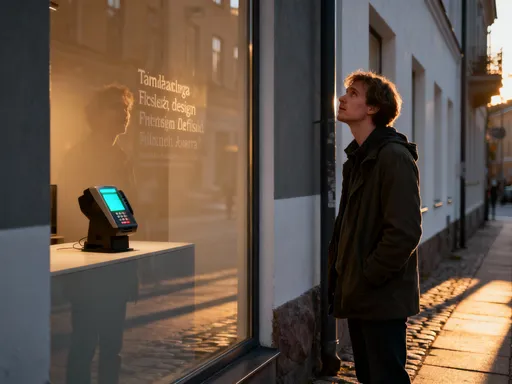
Payment methods also reflect Finland’s advanced digital infrastructure. Cash is rarely used, and many vendors—especially at markets or pop-up stalls—accept only mobile payments through platforms like MobilePay or bank cards. While credit cards are generally accepted in malls and larger stores, some small artisans may not have card readers, assuming customers use local payment apps. Travelers without a Finnish bank account may find themselves unable to complete a purchase, even if they’re eager to support a local maker. Carrying a backup card and confirming payment options before queuing can prevent awkward moments.
Returning items or requesting repairs can also be challenging without Finnish language skills. Warranty terms may not be translated, and customer service processes can be unclear. Some shops require original receipts for exchanges, and without understanding the policy, it’s easy to lose eligibility. When in doubt, ask staff to explain the return process in simple English or write down key details. Taking photos of receipts and labels can also help later. These small hurdles don’t make shopping impossible, but they do require extra attention—especially for those who value peace of mind when making meaningful purchases.
Smart Shopping: How to Navigate Tampere Like a Local
To truly enjoy shopping in Tampere, it helps to adopt a local mindset—one that values patience, curiosity, and intentionality. Start by using digital tools to your advantage. Apps like Visit Tampere or Google Maps can help locate stores, check real-time opening hours, and read reviews from other visitors. Some platforms even highlight “hidden gem” shops or upcoming craft fairs, giving you access to experiences beyond the typical tourist trail. Planning your route in advance saves time and reduces stress, especially when weather or daylight is limited.
Timing your visits wisely is equally important. Weekday mornings are ideal for shopping, as stores are less crowded, staff are more available for conversation, and items are freshly restocked. This is especially true for markets and small boutiques, where inventory changes frequently. Avoid Sunday afternoons or holiday periods if possible, as many places will be closed. If you’re set on visiting during a break, focus on central locations like Ratina or the train station area, where some services remain open.
Prioritize family-run shops and cooperatives, where the connection between maker and seller is often direct. These businesses tend to offer better value, more personalized service, and a deeper story behind their products. Don’t hesitate to ask questions—Finnish people may seem reserved at first, but they often appreciate genuine interest in their work. Phrases like “Who made this?” or “Is this made in Finland?” can open up meaningful conversations. Look for labels or signs that say “koti tehty” (home-made) or “paikallinen suunnittelu” (locally designed) as markers of authenticity.
Finally, embrace slow shopping as a form of cultural engagement. Instead of rushing from store to store, take time to observe, touch, and learn. Let the experience unfold naturally. Buy fewer things, but choose them with care. A single, well-made linen apron from a local weaver or a hand-thrown mug from a neighborhood potter can become a cherished heirloom. In a world of fast fashion and disposable goods, Tampere offers a different way—one rooted in respect for materials, time, and tradition.
Reinforce that avoiding pitfalls isn’t about suspicion—it’s about awareness. With the right mindset, shopping in Tampere can still be rewarding, meaningful, and full of genuine discoveries.